
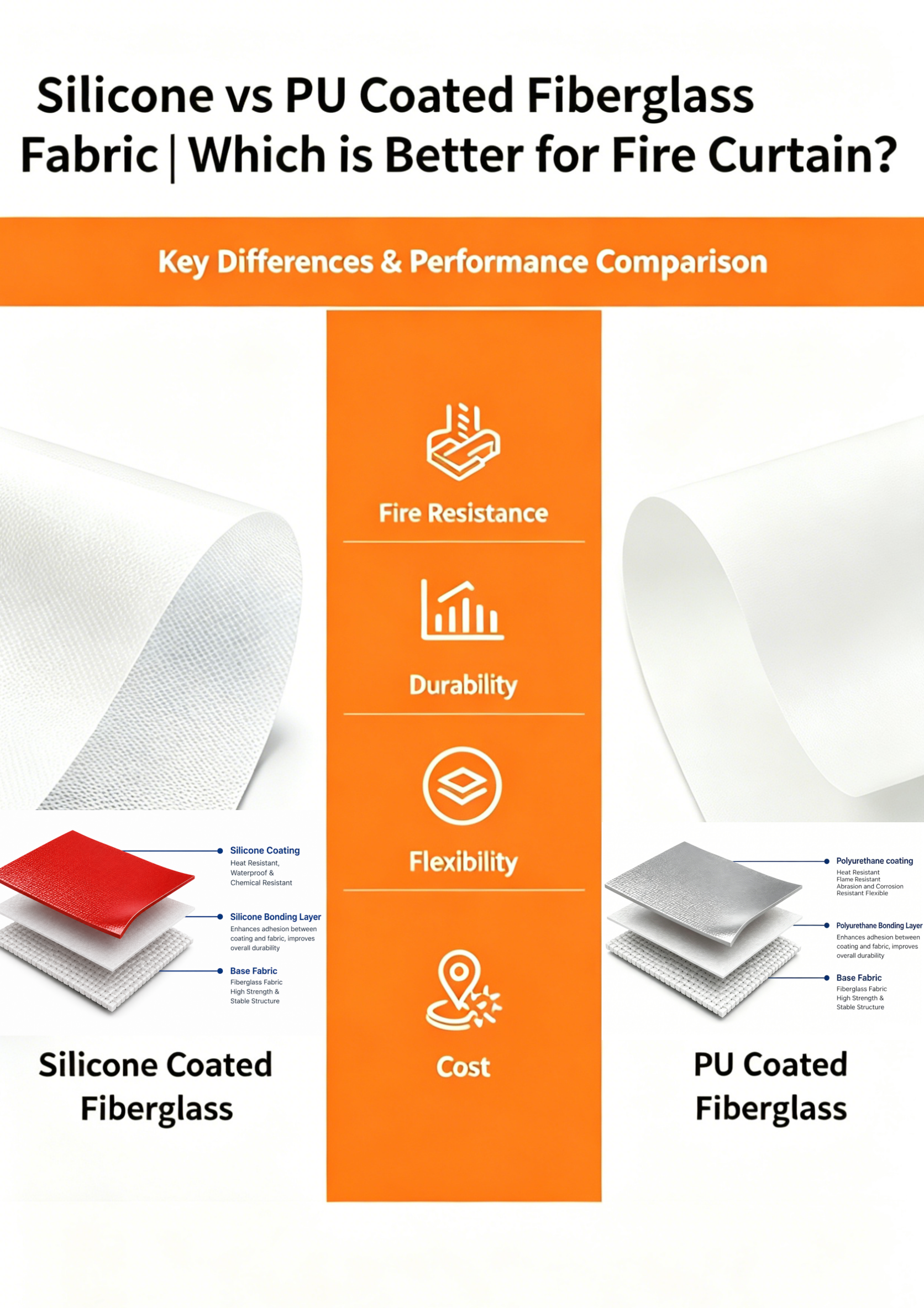
Silicone Coated Fiberglass Fabric vs PU Coated Fiberglass Fabric | Which is Better for Fire Curtain?
For fire curtains, silicone-coated fiberglass fabric is better for high-temperature resistance, outdoor durability, and low smoke emission, while PU-coated fiberglass fabric offers better abrasion resistance, cost-effectiveness, and processability. Below is a detailed comparison to help you choose:
1. Temperature Resistance & Fire Performance
Silicone-coated: Continuous use at -70°C to 250°C, short-term resistance up to 550°C. It ceramicizes at extreme heat, forming a rigid, heat-insulating barrier, and produces very low-toxicity smoke when burned, meeting strict fire safety standards.
PU-coated: Continuous use up to 180°C, withstanding 550–600°C instant high temperatures. It degrades at ~180°C but retains structural protection via aluminum additives. However, it emits more smoke than silicone during combustion.
2. Durability & Environmental Adaptability
Silicone-coated: Excellent UV, ozone, and chemical resistance. It performs well in harsh outdoor, marine, or petrochemical environments, resisting lubricants, hydraulic fluids, and salt spray. It remains flexible at low temperatures and has a long service life.
PU-coated: Good abrasion, water, and oil resistance. It is sturdy but less UV-resistant than silicone, prone to aging under long-term sunlight exposure. It is suitable for indoor or mild outdoor conditions.
3. Physical Properties & Processability
Silicone-coated: High flexibility and softness, easy to sew and install. It has high tensile strength but is more expensive.
PU-coated: Lightweight and cost-effective. It has good puncture resistance and is easy to process, making it ideal for mass production of fire curtains. However, its flexibility is slightly inferior to silicone.
4. Application Scenarios
Silicone-coated is preferred for:
High-temperature industrial areas (e.g., steel mills, welding workshops).
Outdoor buildings, marine facilities, or petrochemical plants.
Projects requiring low smoke emission and high fire safety ratings (e.g., EN 13501).
PU-coated is suitable for:
Indoor commercial buildings, shopping malls, and office buildings.
Smoke curtains and lightweight fire barriers.
Cost-sensitive projects with moderate fire protection requirements.
Final Verdict
Choose silicone-coated fiberglass fabric if you prioritize high-temperature resistance, outdoor durability, and low smoke toxicity.
Choose PU-coated fiberglass fabric if you need cost-effectiveness, good processability, and indoor fire/smoke protection.
Both fabrics meet standard fire curtain requirements, but silicone outperforms PU in extreme conditions, while PU offers better value for routine indoor use.
Need a concise decision-making checklist to select the right fabric for your fire curtain project quickly? For inquiries, samples, or orders, don’t hesitate to get in touch with us.
Contact Details
Suntex Composite Industrial Co., Ltd.
Contact Person: Mr. Jason Hu
Tel: +86 132 0712 7986

Send your inquiry directly to us
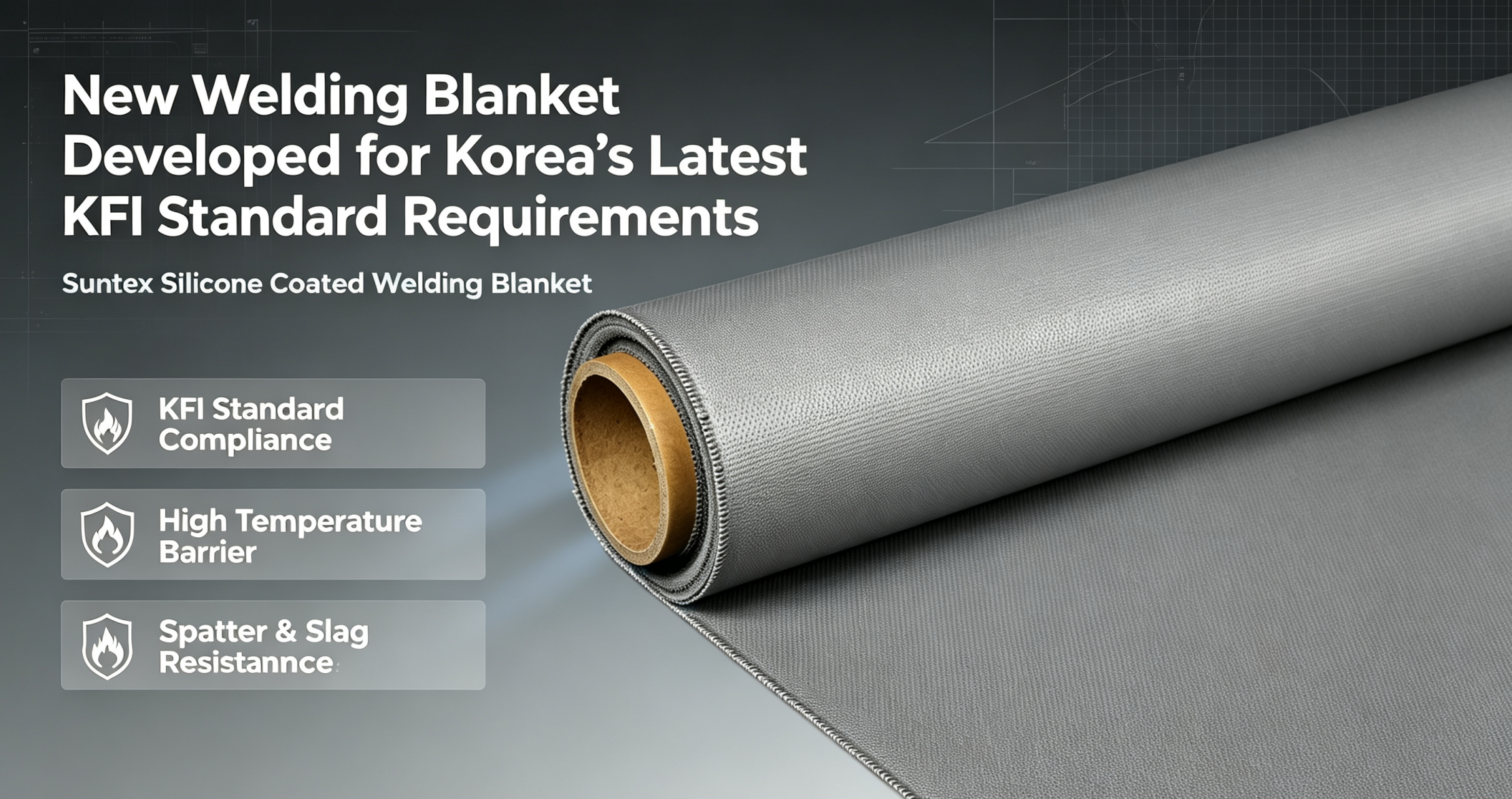
New Welding Blanket Developed for Korea’s Latest KFI Standard Requirements Suntex launches upgraded grey silicone-coated fiberglass welding blankets fully compliant with Korea’s latest KFI fire safety standards for hot work. Made of premium grey silicone coated fiberglass rolls, our blankets deliver reliable protection against welding sparks, molten slag, and high heat for welding, cutting, and […]
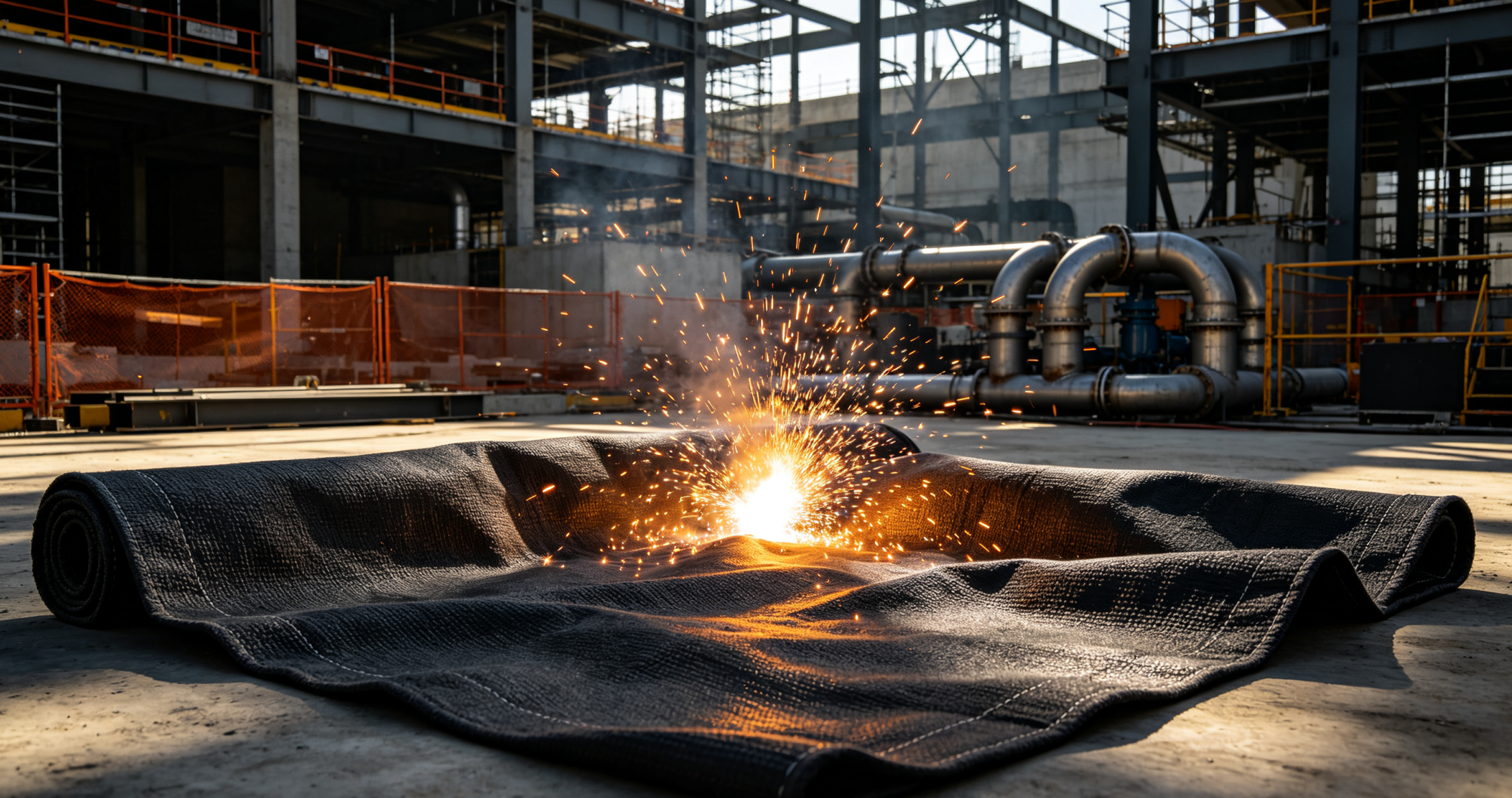
In the high-stakes environment of Japanese automotive manufacturing and precision machining, “good enough” is never enough. When a single stray spark can lead to costly downtime or compromise the integrity of automated assembly lines, the quality of your protective gear is a direct reflection of your operational safety standards. For facilities prioritizing fire prevention and […]
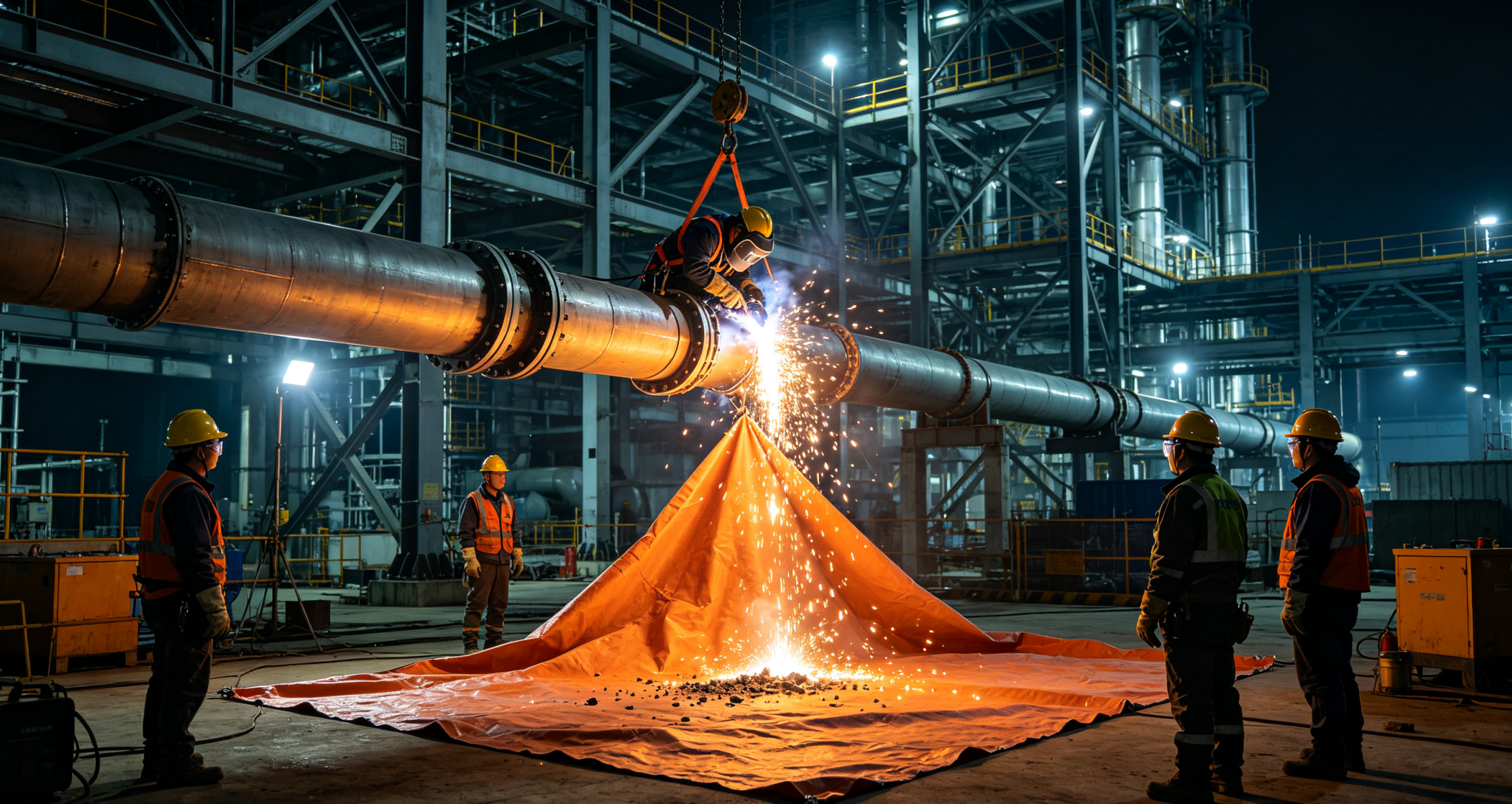
Welding sparks trigger most construction site fires. Even standardized operating procedures carry hidden risks if low-performance flame-retardant fabrics are used. Recent frequent construction fires sound alarms for hot work safety. Most welding-caused blazes stem from inadequate high-temperature slag shielding and substandard fire-resistant materials, rather than improper operation alone. Welding arcs hit over 6,000°C, with flying […]
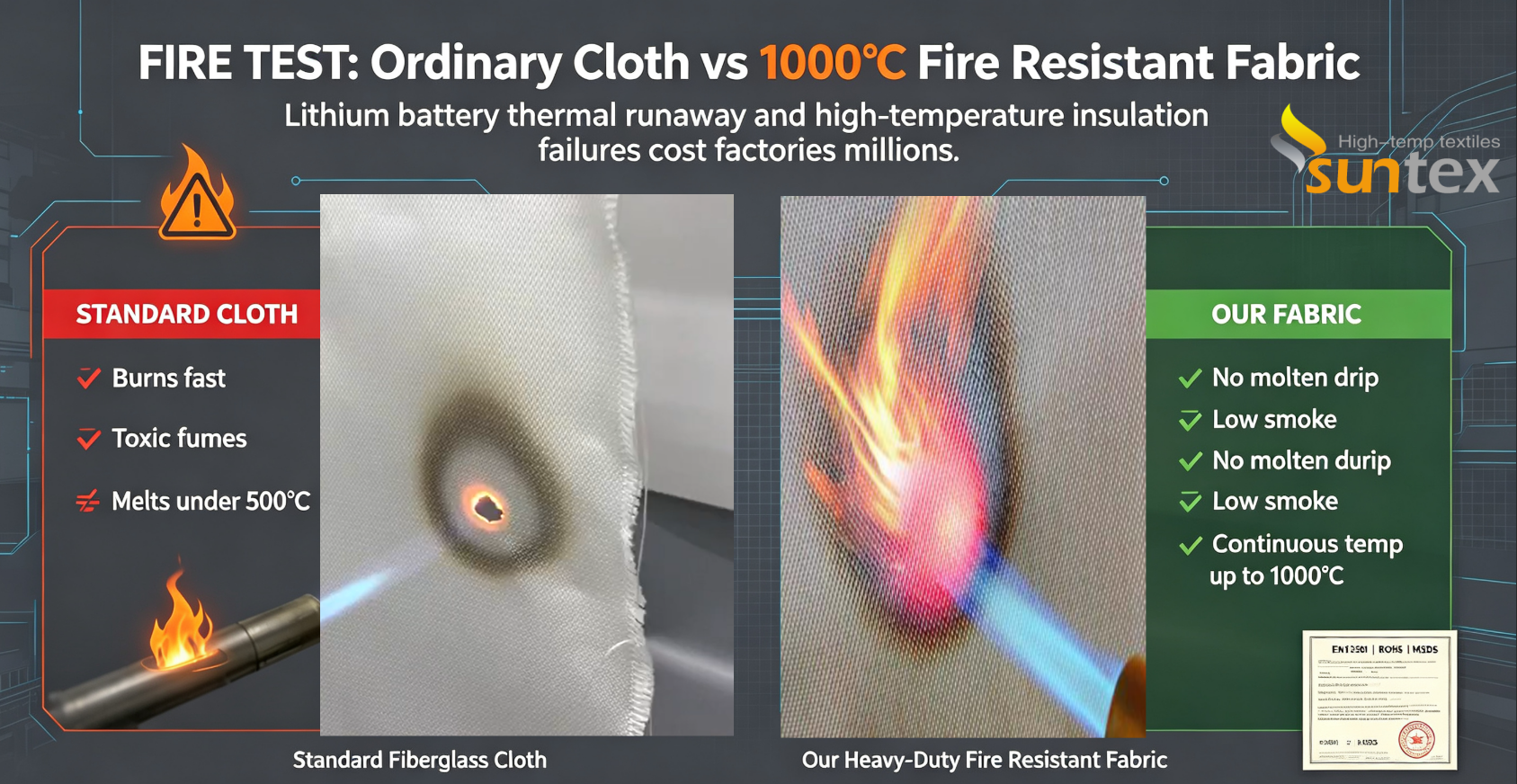
The Hidden Cost of Inferior Thermal Insulation Lithium battery thermal runaway and industrial high-temperature insulation failures frequently trigger factory fires, unplanned shutdowns and massive economic losses. Most of these accidents stem from low-performance standard insulation materials, rather than major equipment faults. Substandard fiberglass cloth fails under high heat, accelerating fire spread and causing costly industrial […]


 English
 Arabic
 Dutch
Dutch French
 German
 Italian
 Polish
 Portuguese
 Russian
 Spanish