

Why are materials with known hazards still widely used?
Risks can be effectively controlled through scientific understanding and standardized procedures. The application value of fiberglass fireproof cloth (excellent fire resistance and thermal insulation properties) far outweighs its controllable risks.
Part 1: Why is fiberglass considered hazardous?
Fiberglass itself is chemically stable and is not a highly toxic substance like asbestos. Its hazards are primarily physical. The fine fibers act like tiny glass splinters. Contact with skin can cause them to penetrate pores, leading to itching, redness, inflammation, and dermatitis (commonly known as “fiberglass itch”). If they enter the eyes, they can cause severe irritation and damage. Inhaled fiberglass fragments can irritate the respiratory tract, causing coughing, sore throat, asthma-like symptoms, etc. Long-term, high-concentration inhalation may, like other dusts, cause mechanical damage to the lungs, potentially leading to respiratory diseases such as pneumoconiosis. The severity of the hazard is closely related to the diameter and length of the fibers. Thinner diameters and shorter lengths make it easier for fibers to penetrate deep into the lungs, increasing the hazard. Fibers used in building insulation (glass wool) are typically thicker and less likely to be inhaled into the lower respiratory tract, but they can still cause significant irritation to the upper respiratory tract.
Part 2: Why is fiberglass fireproof cloth still widely used?
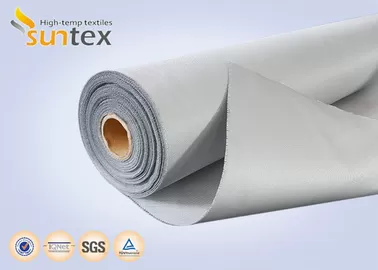
Despite the hazards mentioned above, fiberglass fireproof cloth is almost irreplaceable in specific fields for the following reasons:
Superior Fire Performance: This is its greatest advantage. Fiberglass has an extremely high melting point (typically over 1000°C) and is a Class A non-combustible material. In a fire, it does not burn nor release toxic smoke, effectively blocking flames and high temperatures, buying valuable time for evacuation and property protection.
Excellent Thermal Insulation: Fiberglass itself is an excellent insulating material. When made into fireproof cloth, it effectively contains or blocks heat, making it widely used in industrial applications such as wrapping high-temperature equipment or shielding against welding sparks.
High Strength and Durability: After special weaving and coating treatments, fiberglass cloth possesses high tensile strength and abrasion resistance, allowing it to withstand various harsh industrial environments.
Cost-Effectiveness: Compared to other high-performance fire-resistant materials (such as ceramic fibers, pre-oxidized fibers, etc.), fiberglass fireproof cloth is significantly less expensive, offering high cost-effectiveness.
How is the contradiction between “hazardous” and “useful” resolved?
The reason fiberglass fireproof cloth can be used safely is precisely because technical means and management measures have minimized its hazardous aspects:

Fixed Form, Reduced Fiber Release:
Building insulation glass wool is a loose, fluffy material where fibers are not tightly bound and can easily become airborne.
Fiberglass fireproof cloth is made by tightly weaving fiberglass filaments together using textile processes. Its surface is usually coated with a layer such as Teflon, silicone, aluminum foil, etc. This coating acts like an “overcoat” for the cloth, locking the fibers securely within the fabric structure, greatly reducing fiber release and airborne dispersion during use.
The “hazardous” fiberglass refers to the loose, uncured, easily airborne raw state, where the primary risk comes from direct contact and inhalation due to improper installation and handling.
The “useful” fiberglass fireproof cloth is an industrial product that has been further processed, with fibers fixed by coatings, making its risks controllable. Its exceptional fire performance meets critical needs in specific fields.
When using fiberglass fireproof cloth, people do not ignore its hazards. Instead, they successfully control the risks through materials science (coating/fixing fibers) and safety management (standardized procedures), making it a safe and efficient material for specific scenarios. This exemplifies a fundamental principle in engineering applications – weighing pros and cons, and based on a full understanding of the risks, using technology and management to reduce risks to an acceptable level.
Contact Details
Suntex Composite Industrial Co., Ltd.
Contact Person: Mr. Jason Hu
Tel: +86 132 0712 7986

Send your inquiry directly to us
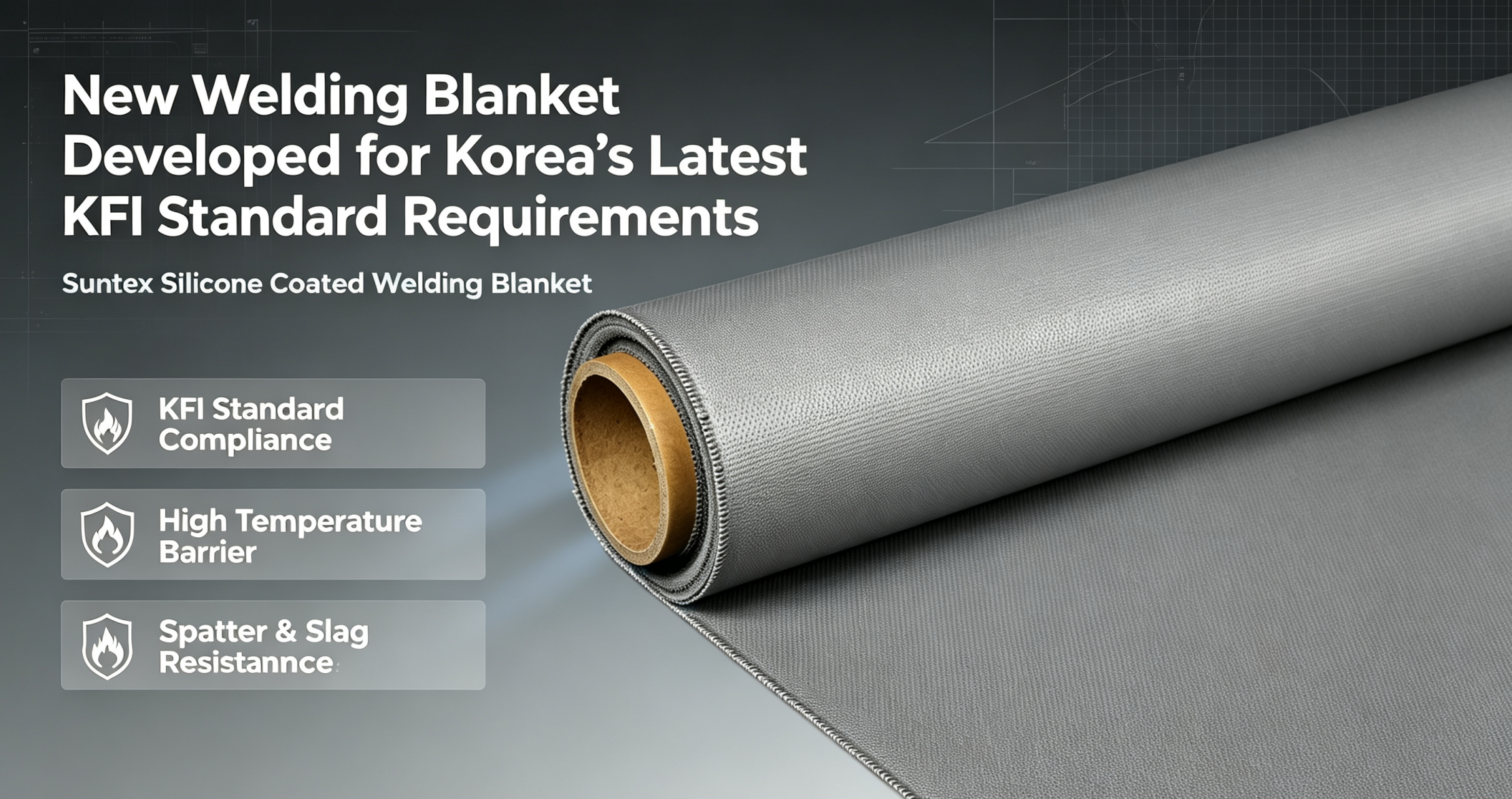
New Welding Blanket Developed for Korea’s Latest KFI Standard Requirements Suntex launches upgraded grey silicone-coated fiberglass welding blankets fully compliant with Korea’s latest KFI fire safety standards for hot work. Made of premium grey silicone coated fiberglass rolls, our blankets deliver reliable protection against welding sparks, molten slag, and high heat for welding, cutting, and […]
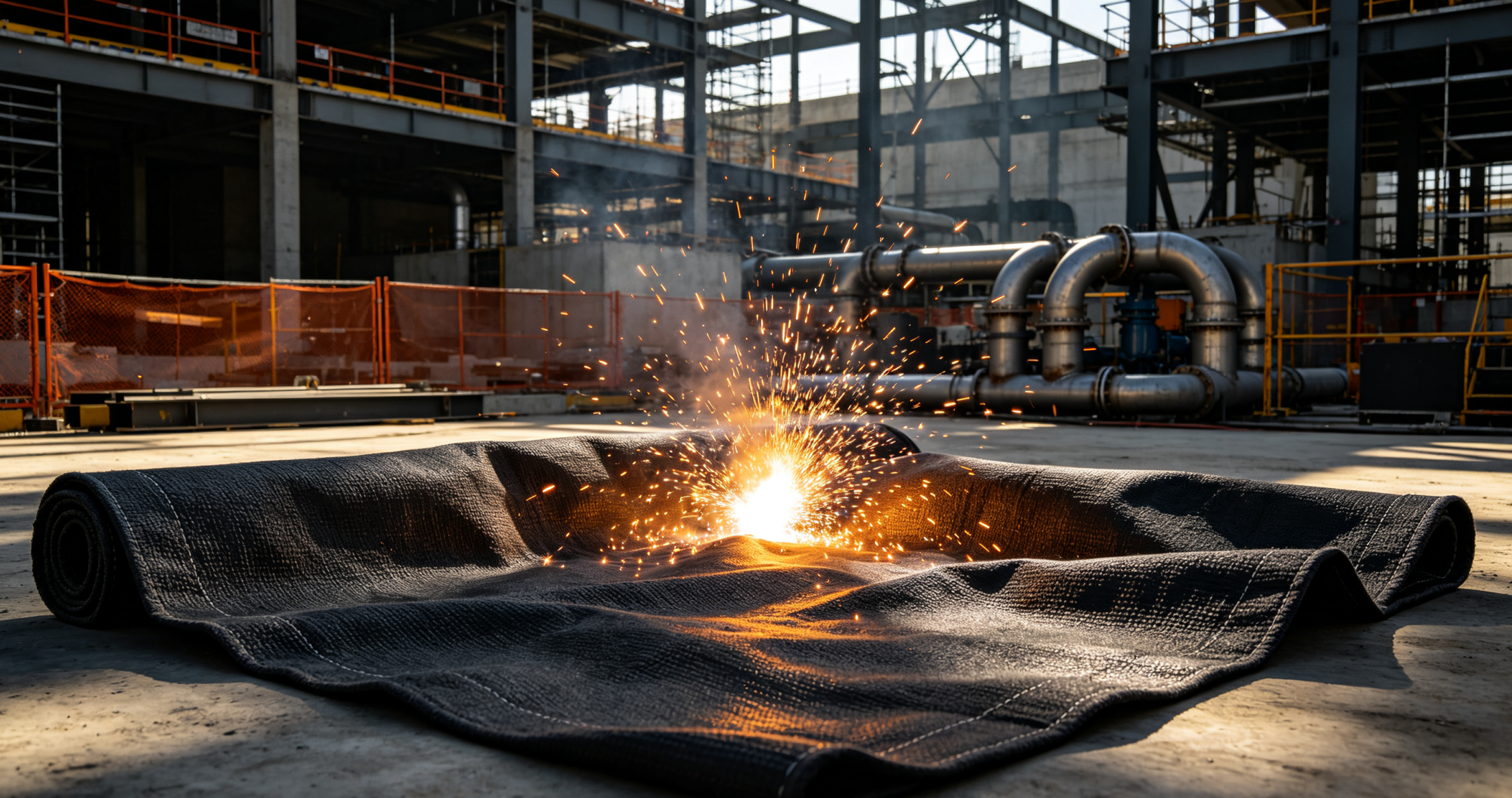
In the high-stakes environment of Japanese automotive manufacturing and precision machining, “good enough” is never enough. When a single stray spark can lead to costly downtime or compromise the integrity of automated assembly lines, the quality of your protective gear is a direct reflection of your operational safety standards. For facilities prioritizing fire prevention and […]
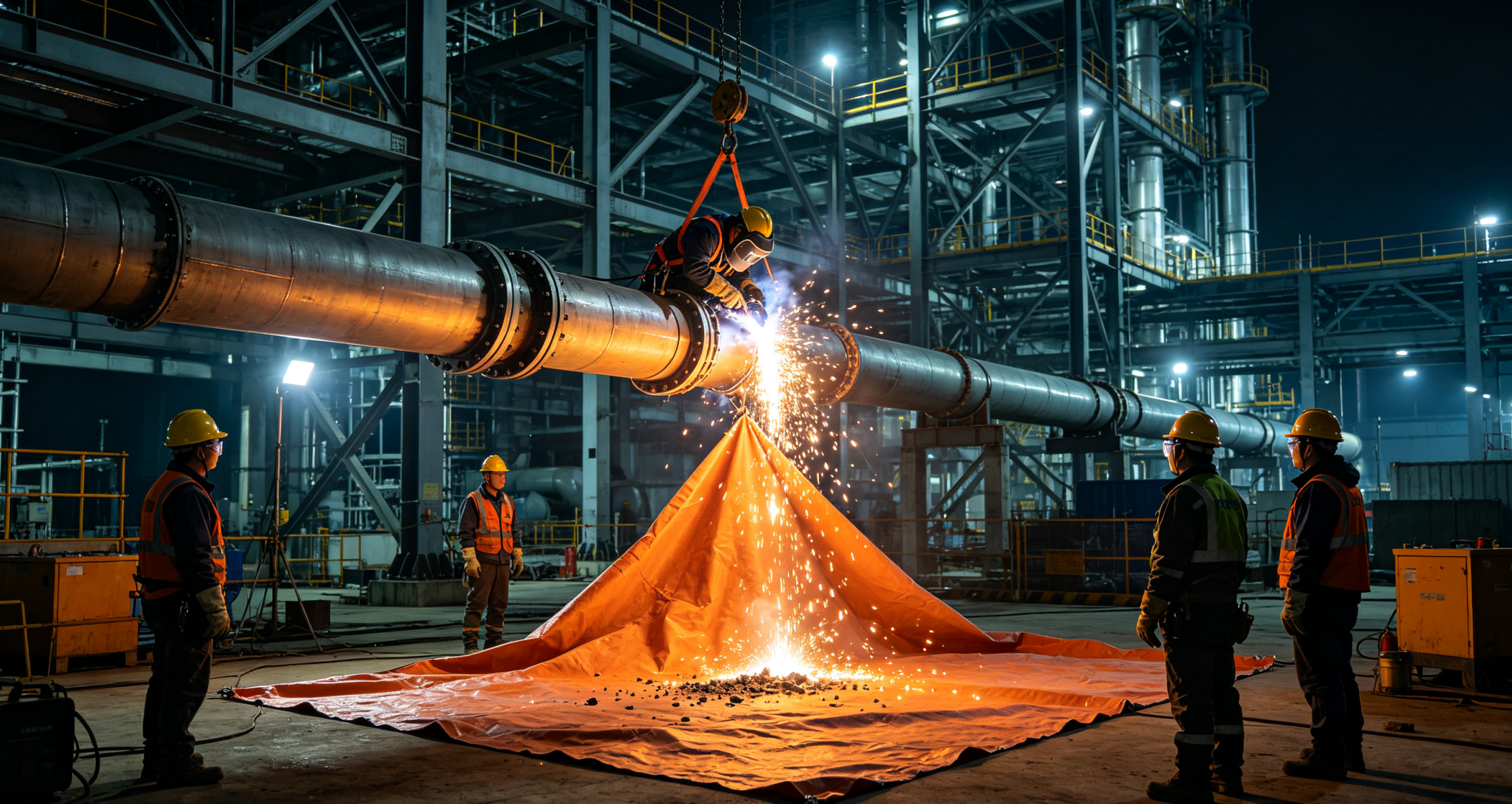
Welding sparks trigger most construction site fires. Even standardized operating procedures carry hidden risks if low-performance flame-retardant fabrics are used. Recent frequent construction fires sound alarms for hot work safety. Most welding-caused blazes stem from inadequate high-temperature slag shielding and substandard fire-resistant materials, rather than improper operation alone. Welding arcs hit over 6,000°C, with flying […]
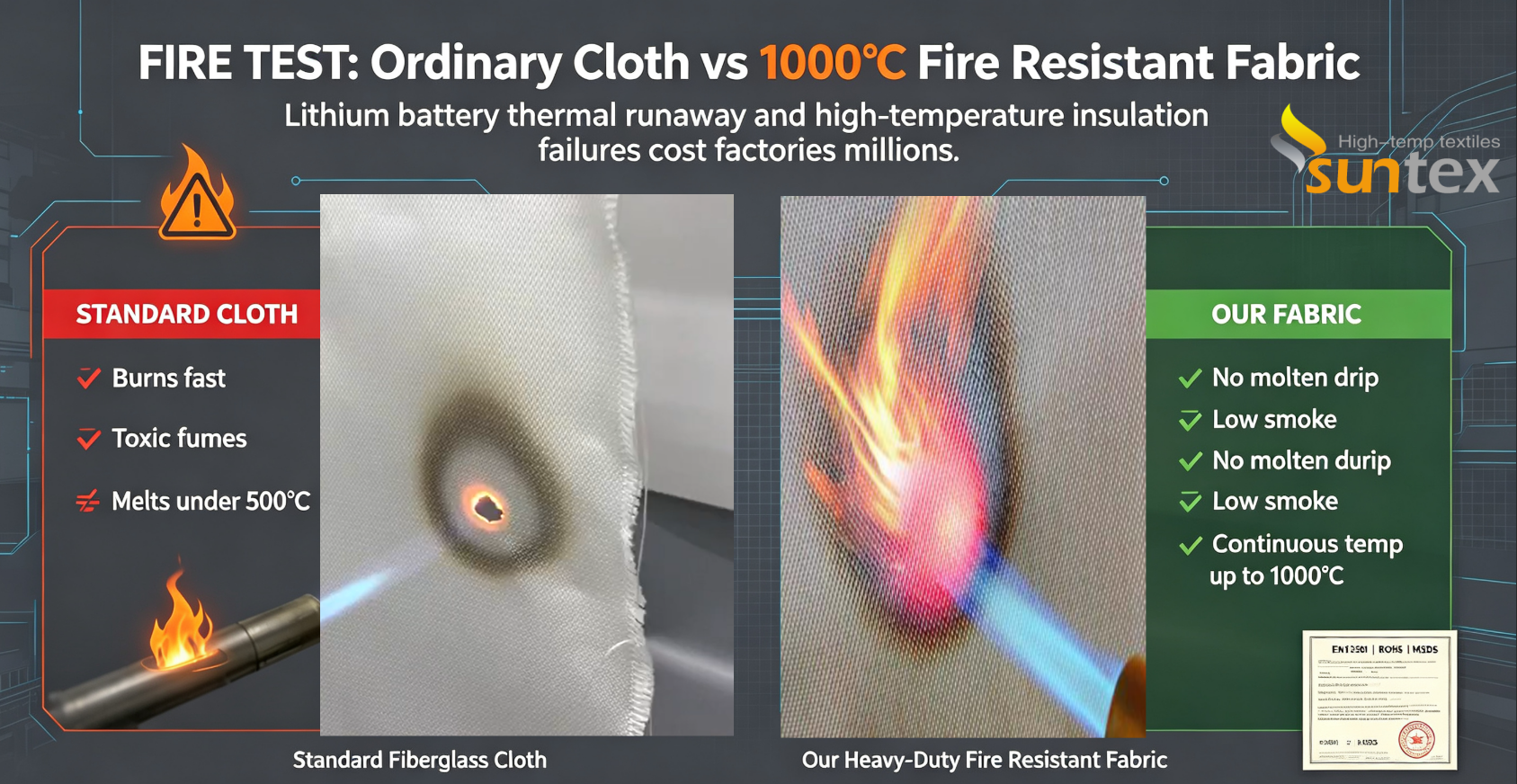
The Hidden Cost of Inferior Thermal Insulation Lithium battery thermal runaway and industrial high-temperature insulation failures frequently trigger factory fires, unplanned shutdowns and massive economic losses. Most of these accidents stem from low-performance standard insulation materials, rather than major equipment faults. Substandard fiberglass cloth fails under high heat, accelerating fire spread and causing costly industrial […]


 English
 Arabic
 Dutch
Dutch French
 German
 Italian
 Polish
 Portuguese
 Russian
 Spanish