

Ventilation Fabric Duct Systems: Tailored Solutions for Demanding Environments

In specialized sectors such as food and beverage and sports and leisure facilities, ventilation requirements extend far beyond basic air distribution. These environments demand solutions that address specific, often rigorous, operational challenges. The food and beverage industry imposes exceptionally high standards for hygiene, condensation prevention, and cleanability to ensure product safety and quality. Conversely, venues like stadiums, swimming pools, and gymnasiums prioritize large-space airflow delivery, effective humidity control, and often require aesthetic customization through color choices to complement their interior design. For such diverse yet demanding scenarios, ventilation fabric duct systems present a compelling and increasingly popular solution.

Commonly known as fabric air dispersion systems or “sock ducts,” these are flexible air distribution systems made from specialized engineered fabrics. As a new type of terminal air delivery solution, they are gaining widespread acclaim for their numerous advantages: uniform and comfortable airflow distribution, excellent condensation resistance, lightweight construction, waterproof properties, and significantly shorter installation times compared to traditional metal ducts.

Material selection is paramount to the performance of these systems. Common materials include silicone coated fabric and PU coated fiberglass cloth. When selecting ventilation fabric duct materials, key technical indicators must be scrutinized as they directly impact the system’s quality and longevity. These crucial parameters include fabric strength, processability, softness and flexibility, flame retardancy rating, and air-tightness.
Recognizing the critical need for safety, Suntex has developed specialized coated flame-retardant fabrics for its fire-resistant series of fabric duct systems. Certain variants utilize fireproof cloth that achieves an impressive EN13501-1 A2 classification, a top-tier standard for building materials’ fire performance. This commitment to safety does not compromise other essential features. Suntex’s materials are engineered to simultaneously provide reliable anti-condensation properties, high resistance to abrasion, waterproof functionality, and an aesthetically pleasing finish. Furthermore, understanding the importance of design integration, Suntex offers a variety of color schemes, including standard gray and white options, allowing for both functional performance and visual harmony within the space.

In conclusion, ventilation fabric duct systems, with their blend of functional superiority and design flexibility, are ideally suited to meet the stringent and varied demands of modern commercial and industrial environments. By focusing on advanced material technologies—such as the high-performance, flame-retardant fabrics offered by Suntex—specifiers can ensure optimal airflow, enhanced safety, durability, and aesthetics, making these systems a smart choice for applications where performance cannot be compromised.
Contact Details
Suntex Composite Industrial Co., Ltd.
Contact Person: Mr. Jason Hu
Tel: +86 132 0712 7986

Send your inquiry directly to us
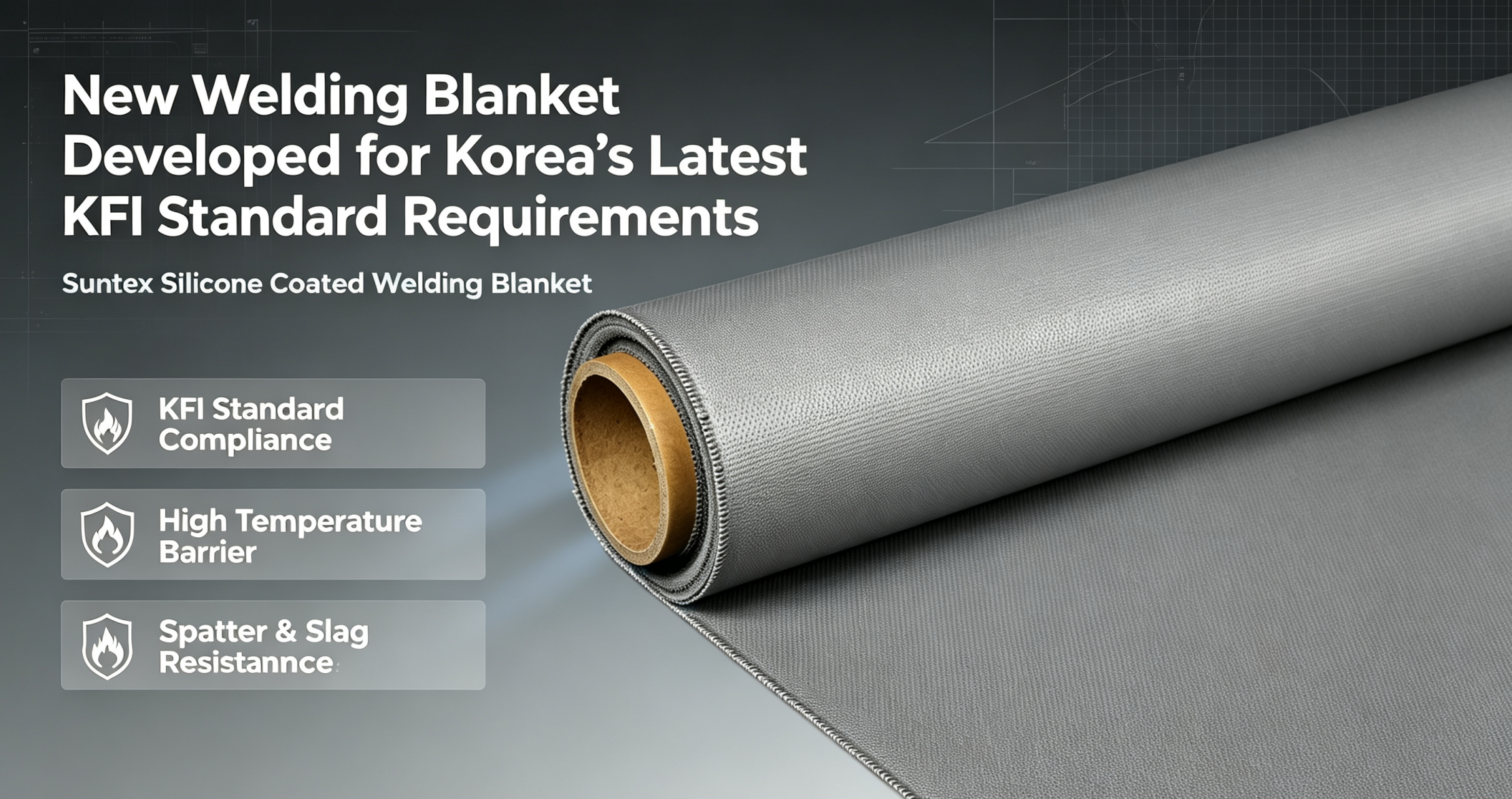
New Welding Blanket Developed for Korea’s Latest KFI Standard Requirements Suntex launches upgraded grey silicone-coated fiberglass welding blankets fully compliant with Korea’s latest KFI fire safety standards for hot work. Made of premium grey silicone coated fiberglass rolls, our blankets deliver reliable protection against welding sparks, molten slag, and high heat for welding, cutting, and […]
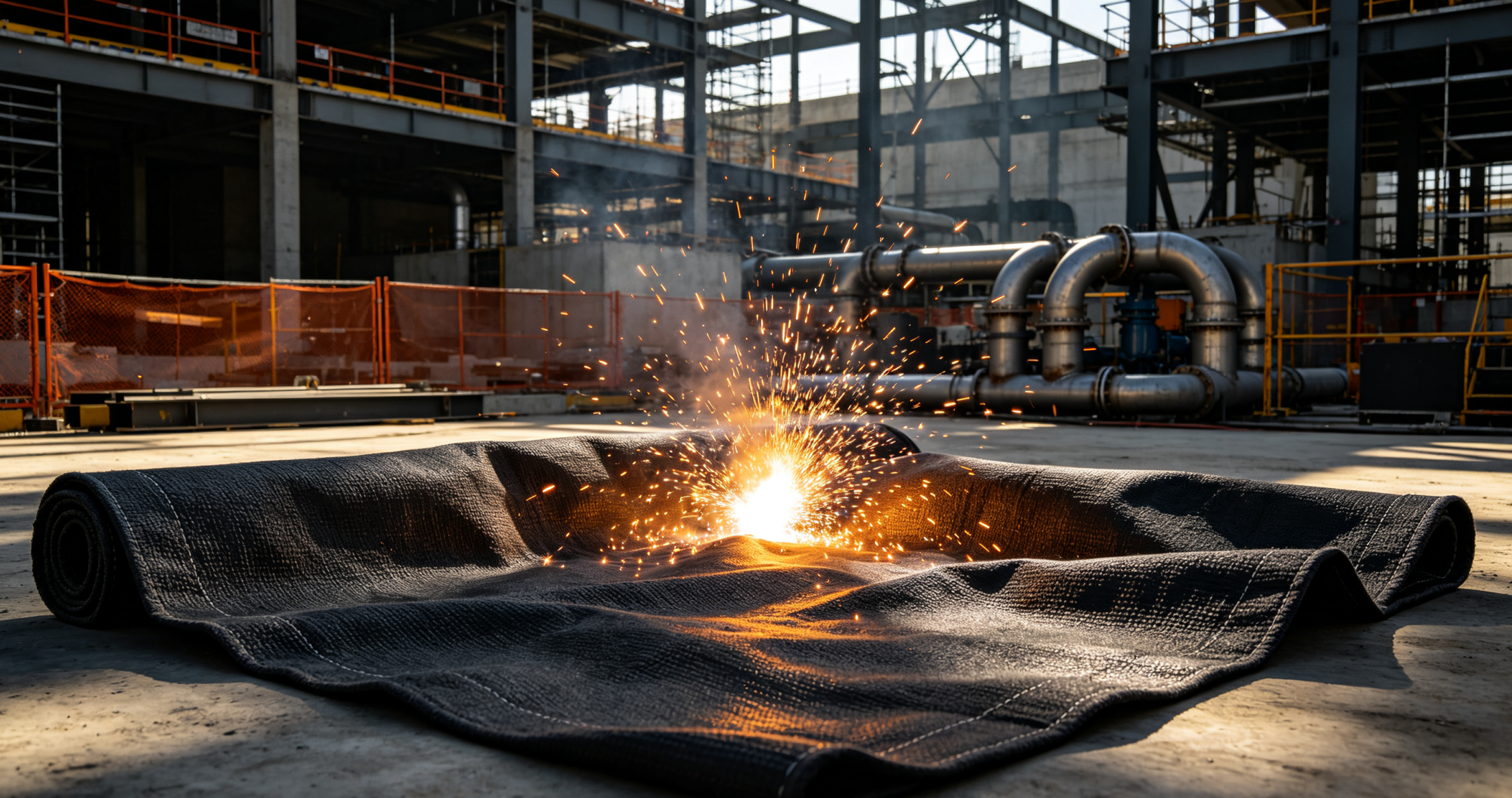
In the high-stakes environment of Japanese automotive manufacturing and precision machining, “good enough” is never enough. When a single stray spark can lead to costly downtime or compromise the integrity of automated assembly lines, the quality of your protective gear is a direct reflection of your operational safety standards. For facilities prioritizing fire prevention and […]
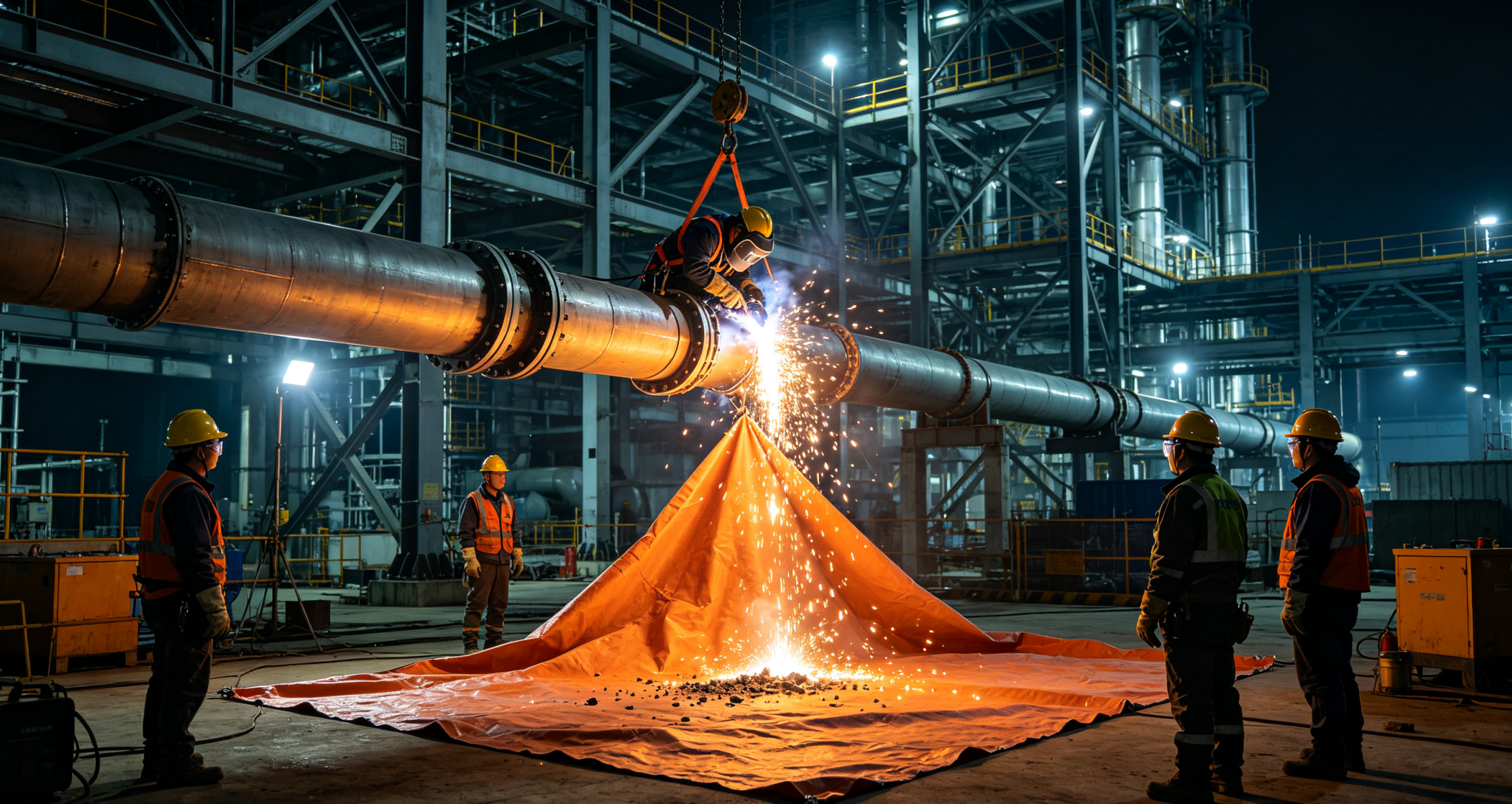
Welding sparks trigger most construction site fires. Even standardized operating procedures carry hidden risks if low-performance flame-retardant fabrics are used. Recent frequent construction fires sound alarms for hot work safety. Most welding-caused blazes stem from inadequate high-temperature slag shielding and substandard fire-resistant materials, rather than improper operation alone. Welding arcs hit over 6,000°C, with flying […]
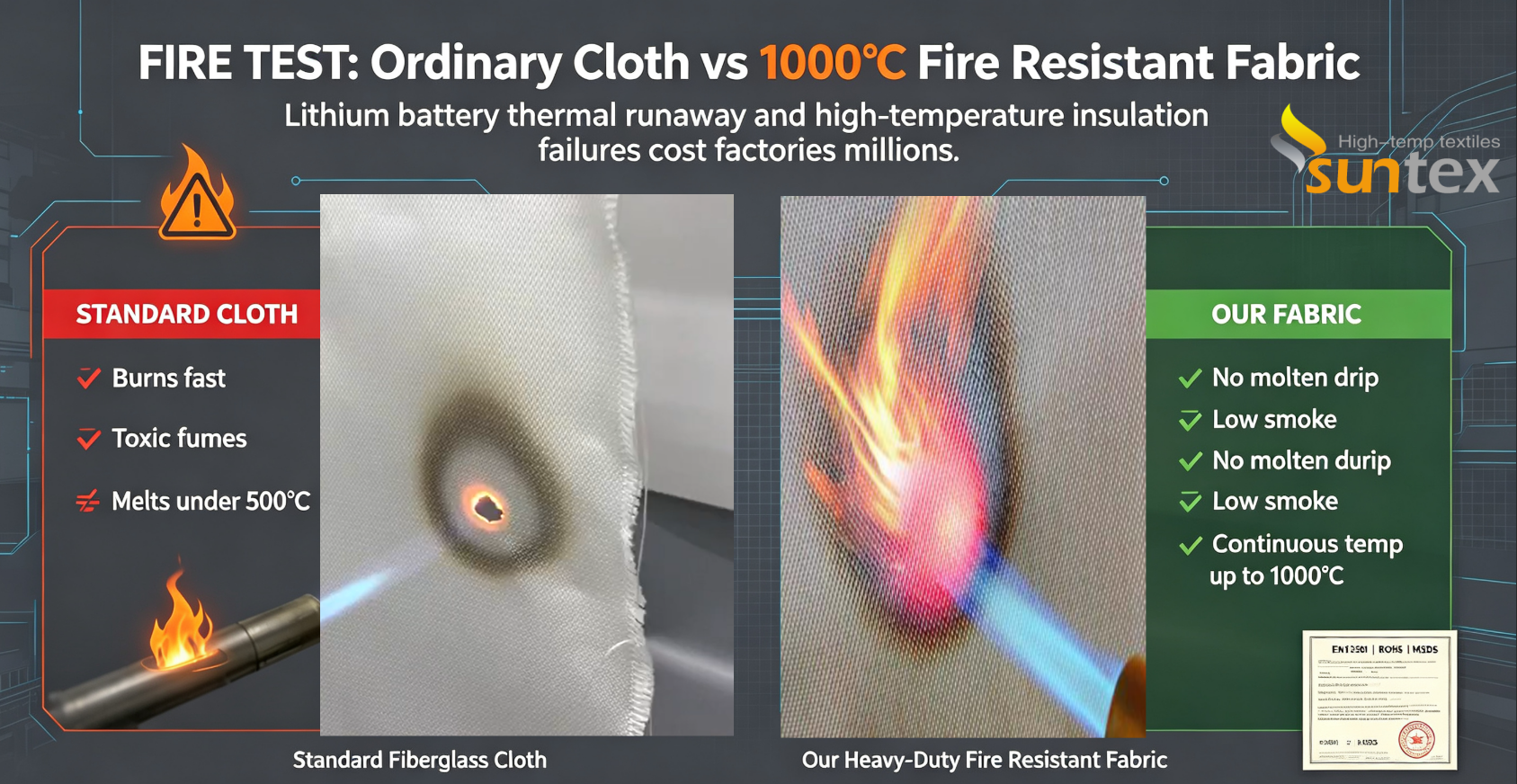
The Hidden Cost of Inferior Thermal Insulation Lithium battery thermal runaway and industrial high-temperature insulation failures frequently trigger factory fires, unplanned shutdowns and massive economic losses. Most of these accidents stem from low-performance standard insulation materials, rather than major equipment faults. Substandard fiberglass cloth fails under high heat, accelerating fire spread and causing costly industrial […]


 English
 Arabic
 Dutch
Dutch French
 German
 Italian
 Polish
 Portuguese
 Russian
 Spanish