

Compared to professional methods, fire control blankets are rarely used by firefighters for EV fires, not because they are ineffective, but due to the unique challenges of battery fires.
Why Fire Blankets Aren’t Common
EV fires are driven by battery thermal runaway, which involves continuous internal heating, high re-ignition risk, toxic gas release, and chain reactions within the battery pack. Fire blankets are useful as auxiliary tools in specific scenarios, such as early-stage fires or for isolating risks in enclosed spaces like garages. However, in open or developed fires, deployment is often impractical, and blankets alone cannot stop internal battery reactions.

Professional Firefighting Protocol
The core strategy focuses on the battery pack:
Isolation & Safety: Establish a wide perimeter. Firefighters wear full protective gear, including a breathing apparatus.
Sustained Cooling: Apply large volumes of water directly to the battery compartment for an extended period—often hours—to dissipate heat.
Continuous Monitoring: Use thermal imaging cameras to monitor battery temperature and gas detectors for toxic fumes until the risk is fully mitigated.
Safe Handling: Relocate the vehicle using specialized equipment to a safe area for further observation or disposal.
Rational Use of Fire Blankets
Blankets are best suited for:
It contains very early-stage fires.
Isolating adjacent property in confined spaces.
Covering a vehicle post-extinguishment to shield against potential re-ignition.
The Big Picture: Combined Tactics
Firefighters use combined tactics based on the scene. While cooling is always central, blankets may be added if useful. Technology is evolving with new battery-specific extinguishing agents and training simulations.
In short, the low usage of fire blankets reflects a professional, risk-based approach prioritizing proven methods like sustained cooling to tackle the root cause of battery fires. They remain a valuable tool in the right context.
The Suntex car fire blanket is a safety device specifically designed to handle fires that may happen in vehicles. It is a sheet made of non-flammable materials like fire-resistant fabric or fiberglass.If a fire occurs, the blanket is used to cover the flames entirely, which helps to suffocate them by depriving them of oxygen and effectively putting out the fire. Car fire blankets are compact, easy to store, and can be readily accessed during emergencies. Suntex offers two models of car fire blankets: the Standard model and the Pro model.
Contact Details
Suntex Composite Industrial Co., Ltd.
Contact Person: Mr. Jason Hu
Tel: +86 132 0712 7986

Send your inquiry directly to us
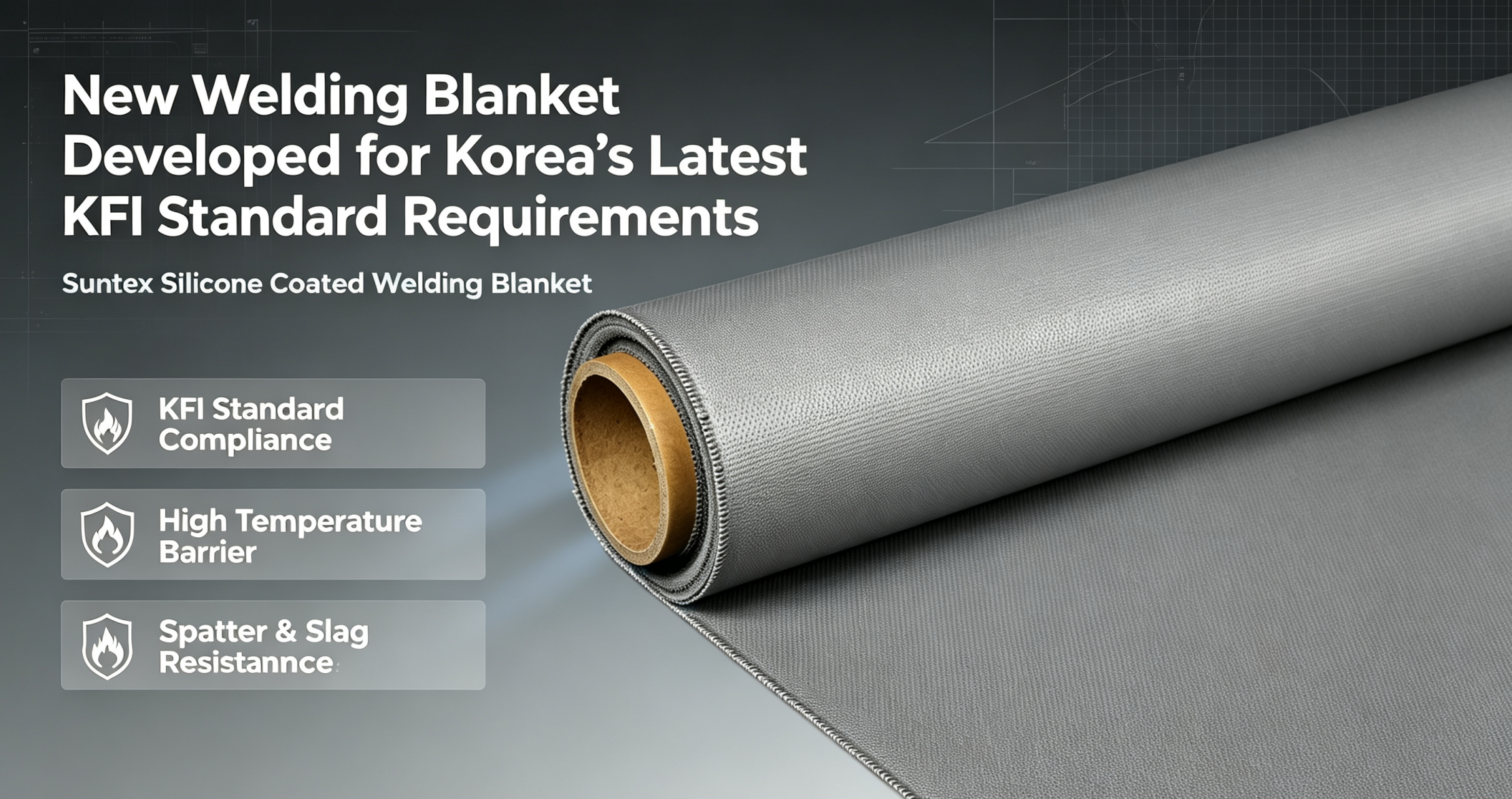
New Welding Blanket Developed for Korea’s Latest KFI Standard Requirements Suntex launches upgraded grey silicone-coated fiberglass welding blankets fully compliant with Korea’s latest KFI fire safety standards for hot work. Made of premium grey silicone coated fiberglass rolls, our blankets deliver reliable protection against welding sparks, molten slag, and high heat for welding, cutting, and […]
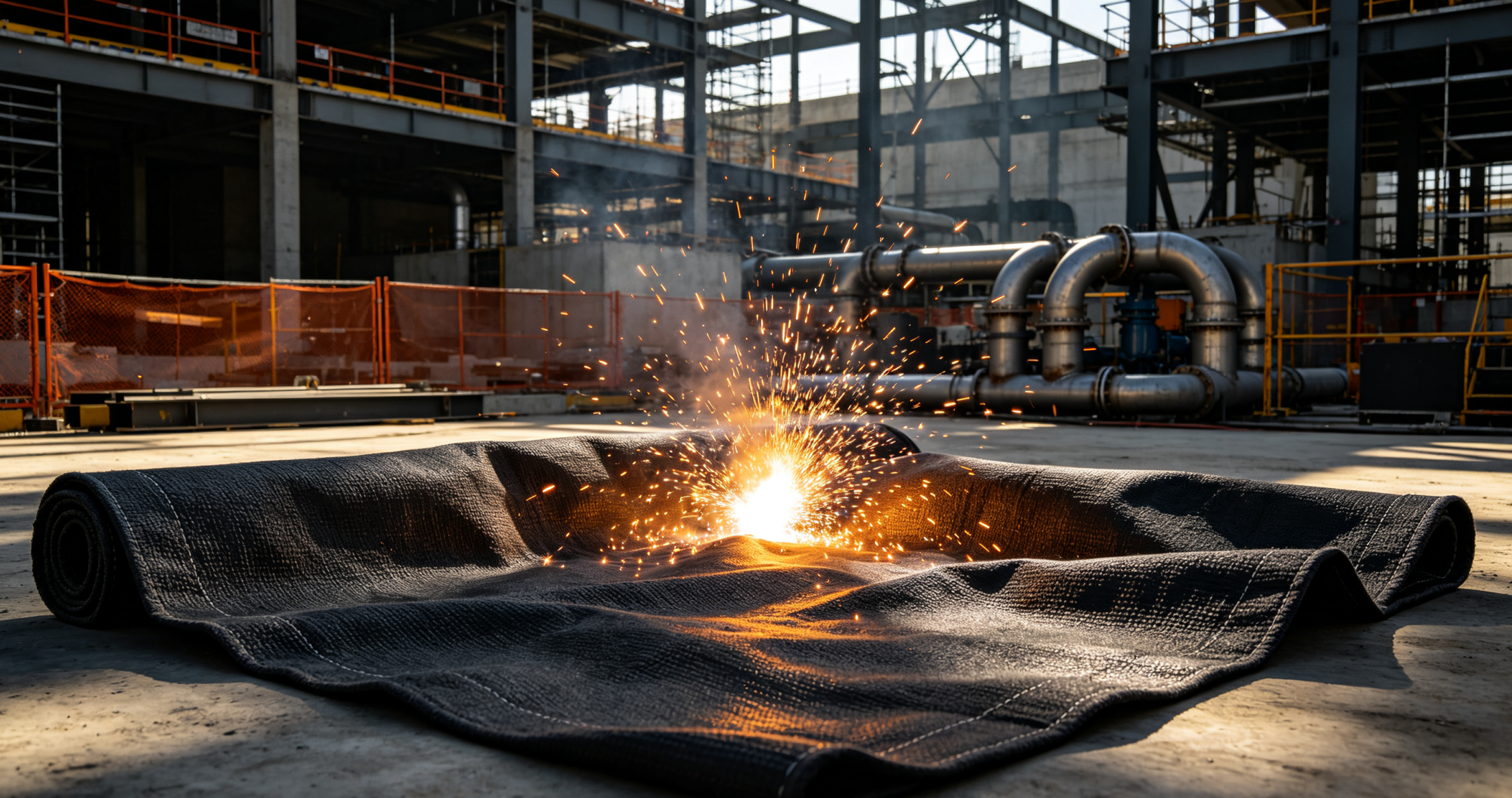
In the high-stakes environment of Japanese automotive manufacturing and precision machining, “good enough” is never enough. When a single stray spark can lead to costly downtime or compromise the integrity of automated assembly lines, the quality of your protective gear is a direct reflection of your operational safety standards. For facilities prioritizing fire prevention and […]
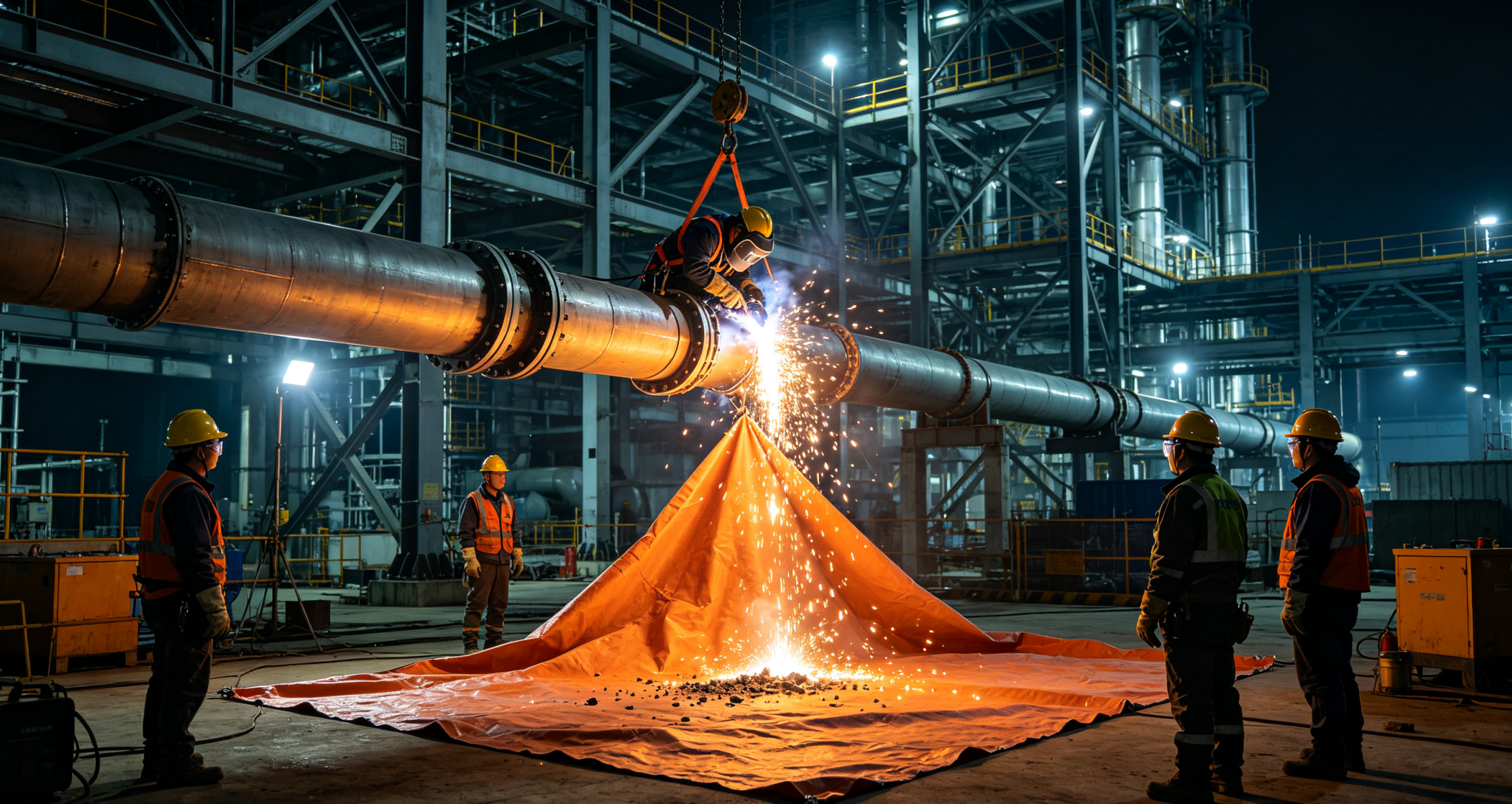
Welding sparks trigger most construction site fires. Even standardized operating procedures carry hidden risks if low-performance flame-retardant fabrics are used. Recent frequent construction fires sound alarms for hot work safety. Most welding-caused blazes stem from inadequate high-temperature slag shielding and substandard fire-resistant materials, rather than improper operation alone. Welding arcs hit over 6,000°C, with flying […]
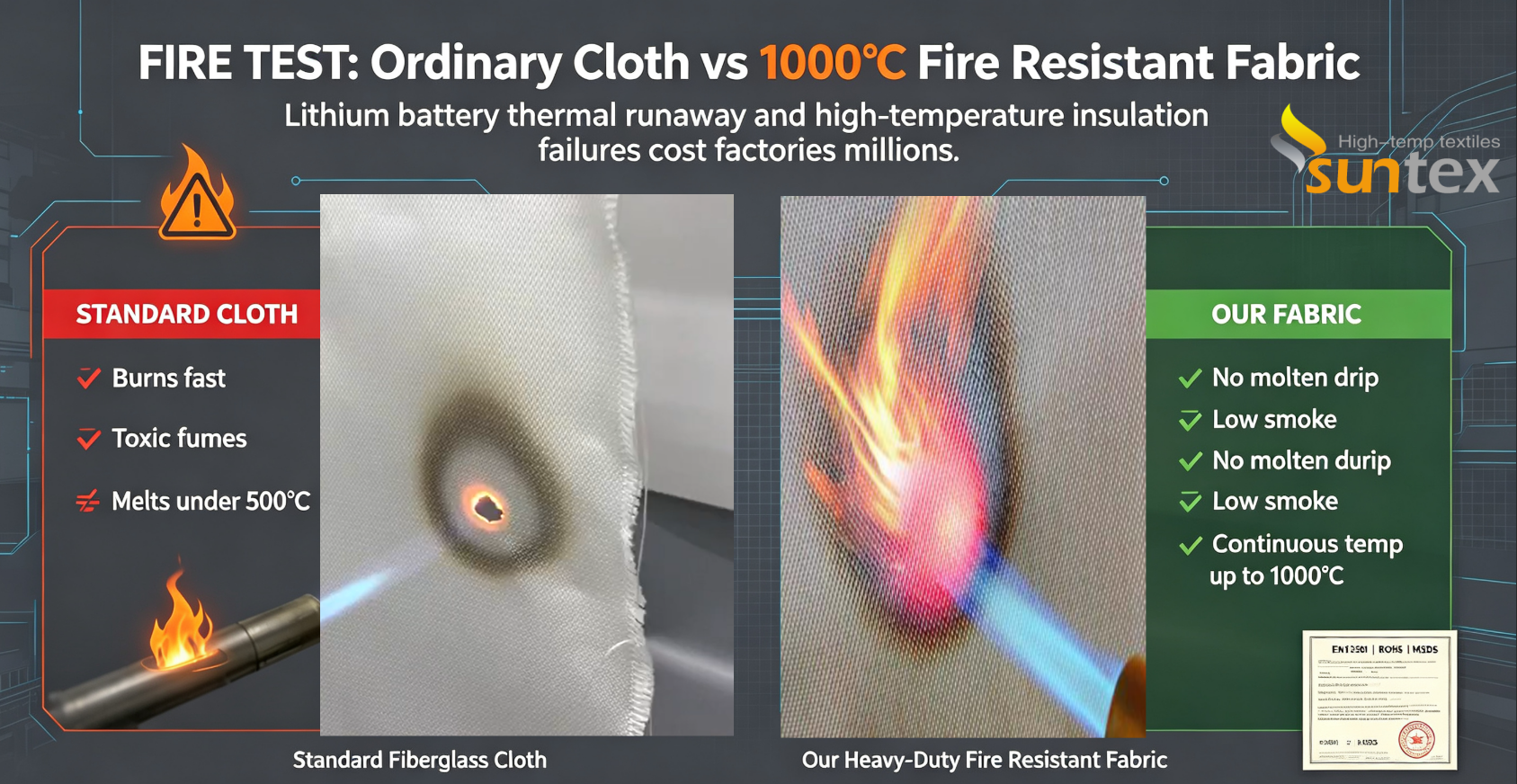
The Hidden Cost of Inferior Thermal Insulation Lithium battery thermal runaway and industrial high-temperature insulation failures frequently trigger factory fires, unplanned shutdowns and massive economic losses. Most of these accidents stem from low-performance standard insulation materials, rather than major equipment faults. Substandard fiberglass cloth fails under high heat, accelerating fire spread and causing costly industrial […]


 English
 Arabic
 Dutch
Dutch French
 German
 Italian
 Polish
 Portuguese
 Russian
 Spanish