

Safety is the cornerstone of all endeavors. Fiberglass fireproof cloth, as a novel fire-resistant material with outstanding product performance, is gradually gaining prominence and becoming the “new favorite” in the field of fire protection.

The fiberglass fireproof cloth produced by Suntex Composite Industrial Co., Ltd. is a glass fiber fabric treated with a fire-resistant coating through impregnation and coating processes. It is a high-performance, multi-purpose composite material. When exposed to flame jets and impacts, it forms a protective fire barrier, effectively isolating high temperatures and flames. The product boasts excellent flame retardancy, insulation, weather resistance, and corrosion resistance. Additionally, it features high strength and breathability, emits no toxic gases under high temperatures, and offers flexibility, customizability, and ease of processing.

With its exceptional fireproofing and high-temperature resistance, fiberglass fireproof cloth can withstand sparks, molten slag, welding splatter, and other flying debris, serving to isolate work areas and separate work layers. It is applicable across multiple industries.
As battery energy density increases, the safety concerns related to thermal runaway-induced fires and explosions have become critical technical challenges for new energy vehicle manufacturers. According to GGII predictions, lightweight design and impact-resistant safety are key trends in the development of new energy vehicle battery packs. Fiberglass fireproof cloth excels in both these performance parameters, and client feedback indicates that battery pack solutions using fiberglass fireproof cloth as a replacement for mica are more readily accepted.

Fiberglass fireproof cloth can be applied in various areas of new energy vehicles, including battery module side plates, end plates, fireproof sheets for cover plates, fireproof blankets for battery PACK cover plates, fireproof covers for vehicle modules, and fireproof and heat-insulating sleeves for cable wrapping.

Beyond the automotive sector, fiberglass fireproof cloth can be used for fire isolation, fireproof encapsulation, and fireproof curtains in buildings, effectively slowing the spread of flames. It is also suitable for interior decoration, compartment insulation, and fireproof curtains in ships and aircraft, enhancing safety measures. Additionally, it can be employed in the petrochemical industry for pipeline insulation and equipment heat shielding, effectively protecting pipelines and equipment from high temperatures and chemical erosion.
Contact Details
Suntex Composite Industrial Co., Ltd.
Contact Person: Mr. Jason Hu
Tel: +86 132 0712 7986

Send your inquiry directly to us
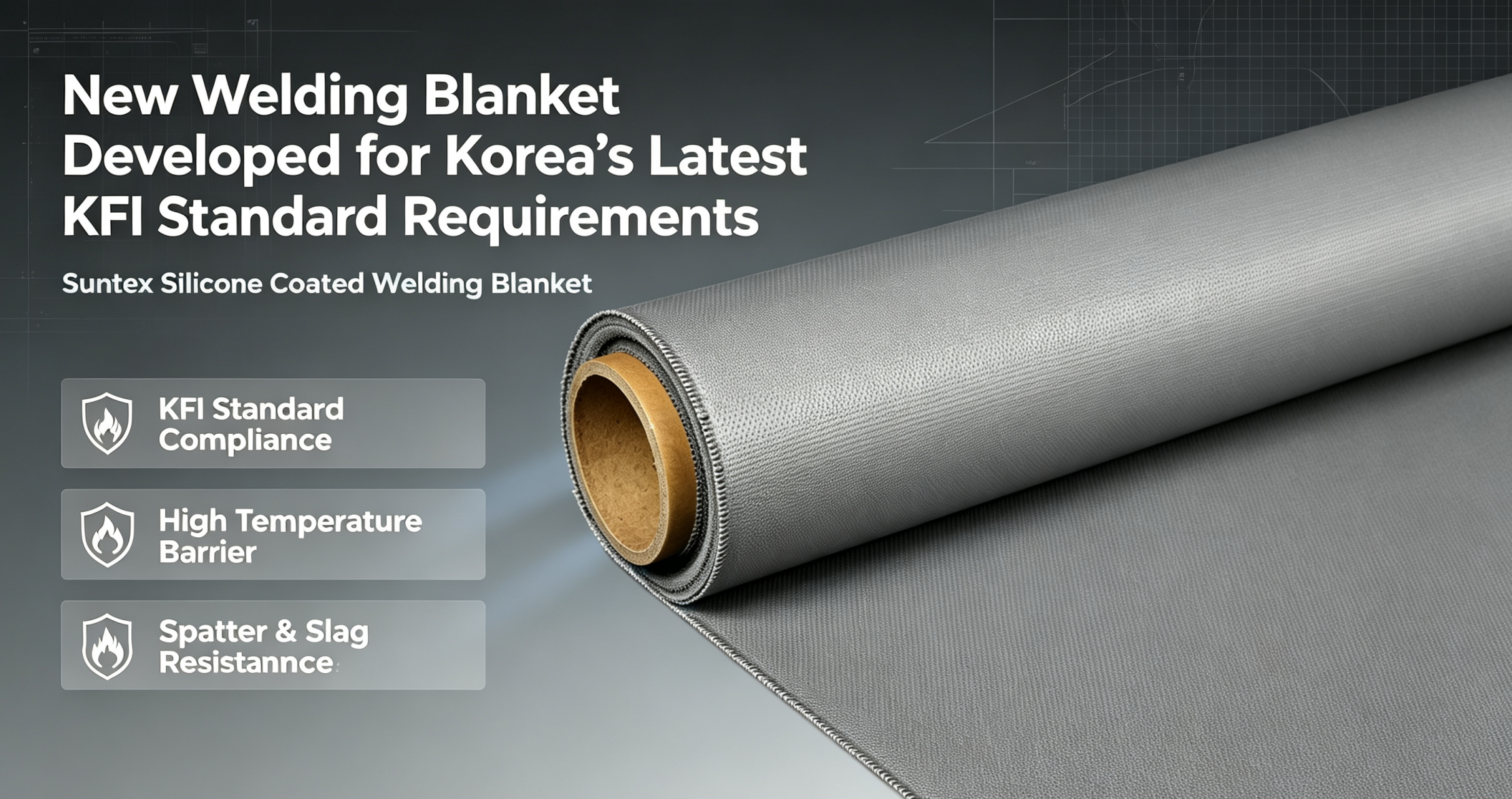
New Welding Blanket Developed for Korea’s Latest KFI Standard Requirements Suntex launches upgraded grey silicone-coated fiberglass welding blankets fully compliant with Korea’s latest KFI fire safety standards for hot work. Made of premium grey silicone coated fiberglass rolls, our blankets deliver reliable protection against welding sparks, molten slag, and high heat for welding, cutting, and […]
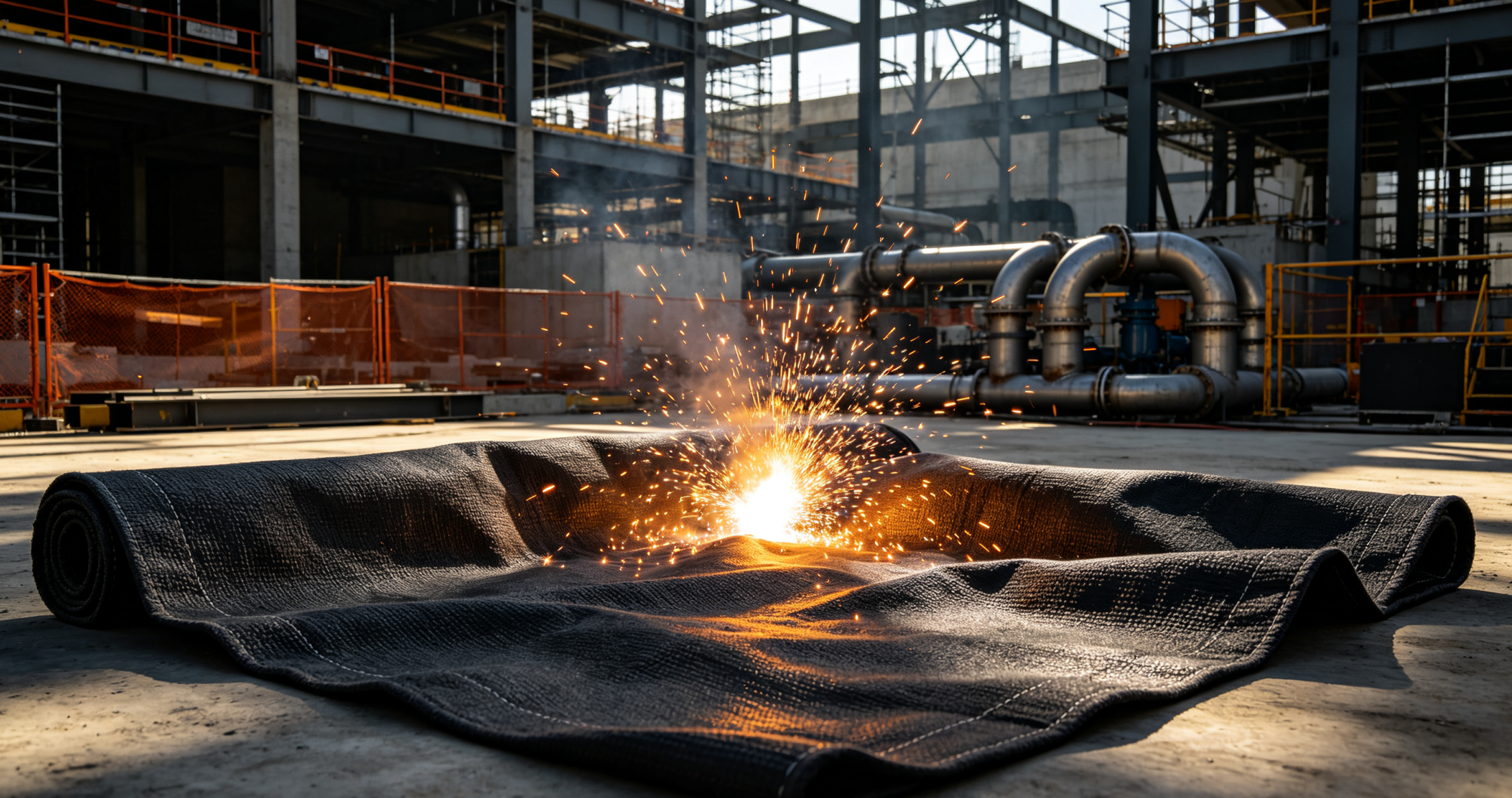
In the high-stakes environment of Japanese automotive manufacturing and precision machining, “good enough” is never enough. When a single stray spark can lead to costly downtime or compromise the integrity of automated assembly lines, the quality of your protective gear is a direct reflection of your operational safety standards. For facilities prioritizing fire prevention and […]
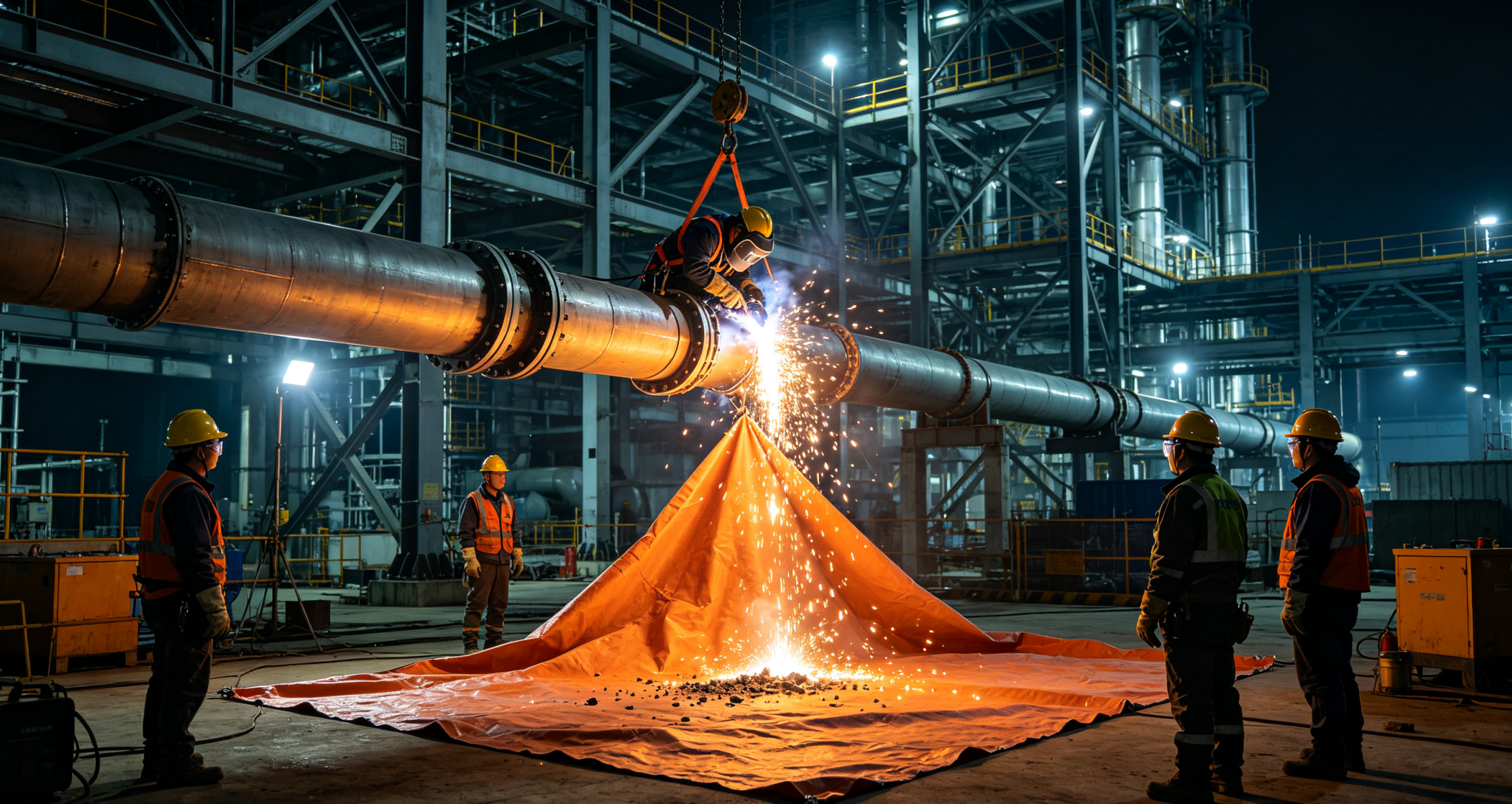
Welding sparks trigger most construction site fires. Even standardized operating procedures carry hidden risks if low-performance flame-retardant fabrics are used. Recent frequent construction fires sound alarms for hot work safety. Most welding-caused blazes stem from inadequate high-temperature slag shielding and substandard fire-resistant materials, rather than improper operation alone. Welding arcs hit over 6,000°C, with flying […]
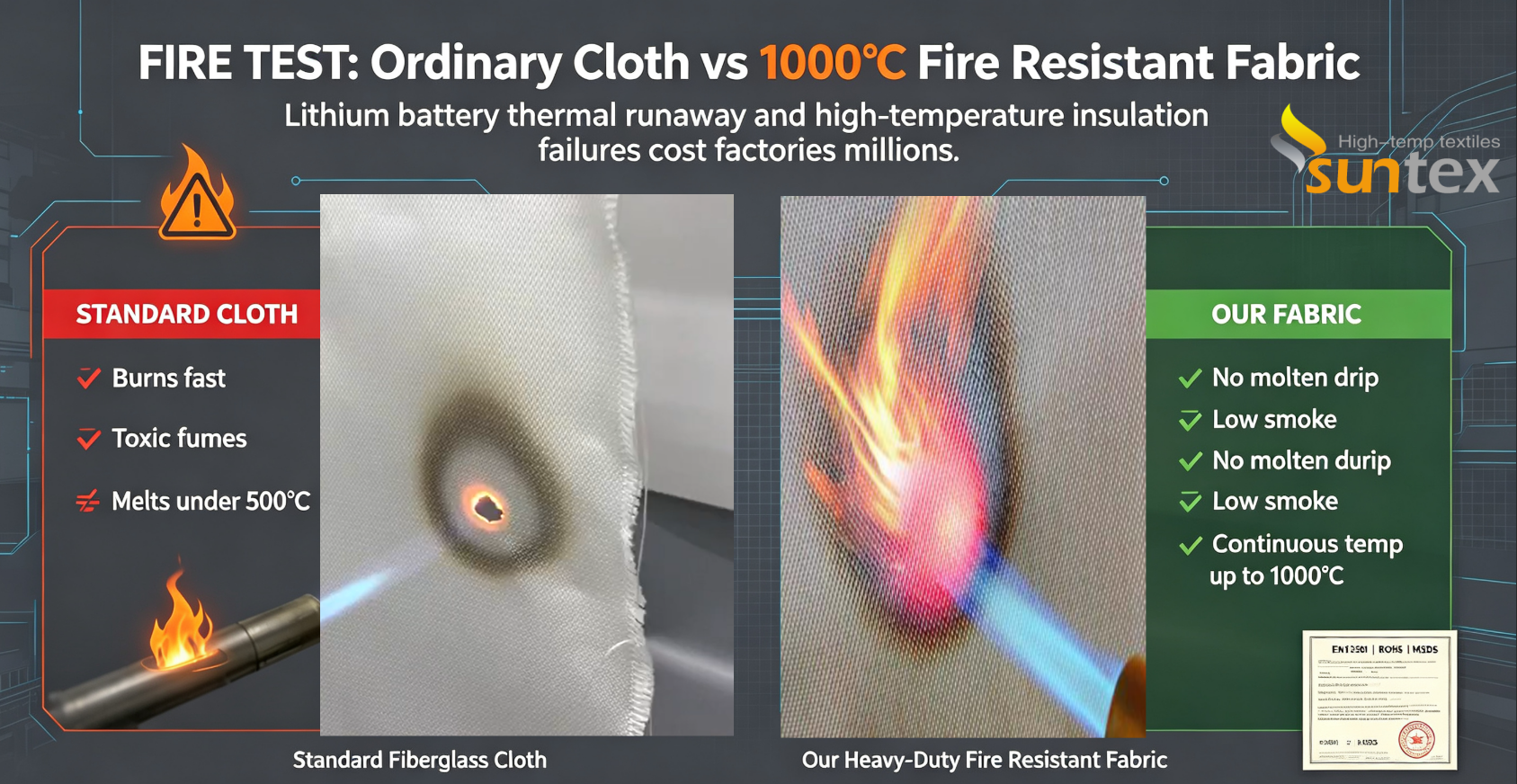
The Hidden Cost of Inferior Thermal Insulation Lithium battery thermal runaway and industrial high-temperature insulation failures frequently trigger factory fires, unplanned shutdowns and massive economic losses. Most of these accidents stem from low-performance standard insulation materials, rather than major equipment faults. Substandard fiberglass cloth fails under high heat, accelerating fire spread and causing costly industrial […]


 English
 Arabic
 Dutch
Dutch French
 German
 Italian
 Polish
 Portuguese
 Russian
 Spanish