

“Glass Assassins” Spotted on Streets! Multiple Victims Reported, Even Doctors Struggle to Remove Them—Stay Alert!
Recently, in Shanghai’s Pudong New District, a bridge railing with exposed fiberglass became an “invisible hazard,” injuring passersby. One netizen reported that their child accidentally touched the railing and ended up with tiny glass fibers embedded in their hands, causing itching and pain. Even after seeking medical help, the fibers couldn’t be fully removed—only time could allow them to shed naturally. Many others in the comments shared similar experiences, describing the ordeal as painful and frustrating.


Why Is Fiberglass So Dangerous?
Fiberglass is a common industrial material known for its strength and corrosion resistance. It’s widely used in construction and everyday items like railings, tent poles, kite frames, and umbrella handles. However, if the product is of poor quality or has been used for too long, its surface can wear down, exposing fine, needle-like fibers. These fibers are hard and brittle, easily breaking off and embedding into skin, causing stinging, itching, and even allergic reactions or infections.


How to Spot a “Glass Assassin”?
-
Check the Surface: If an object has a mesh-like or prickly texture, fiberglass may be exposed.
-
Touch Test: Lightly brush your hand over the surface—if you feel or see tiny, transparent fibers sticking to your skin, wash immediately.
-
Beware of Old Items: Fiberglass products older than two years should be replaced.

What to Do If You Get Fiberglass in Your Skin?
-
Rinse with Cold Water: Immediately flush the area with running cold water (hot water opens pores, pushing fibers deeper).
- Use Soapy Water: Gently wash with soapy water to reduce friction between fibers and skin.
-
Flour Paste Method:
-
Mix flour and water into a thick paste, then immerse the affected area.
-
Let it dry, then slowly peel off—the fibers may come out with the paste.


-
-
Avoid These Mistakes:
-
❌ Don’t scratch or slap the area—this can break fibers, making removal harder.

-
❌ Avoid alcohol—it dehydrates skin, trapping fibers deeper.

-
Prevention Tips
-
Buy from reputable brands—avoid cheap, low-quality products.
-
Handle fiberglass items carefully—avoid bending or dismantling forcefully.
-
Be cautious outdoors—check public railings and structures before touching.
Warning: If fibers are deeply embedded or cause swelling/pus, seek medical help immediately! Share this to raise awareness and protect others from these “invisible assassins”!
Contact Details
Suntex Composite Industrial Co., Ltd.
Contact Person: Mr. Jason Hu
Tel: +86 132 0712 7986

Send your inquiry directly to us
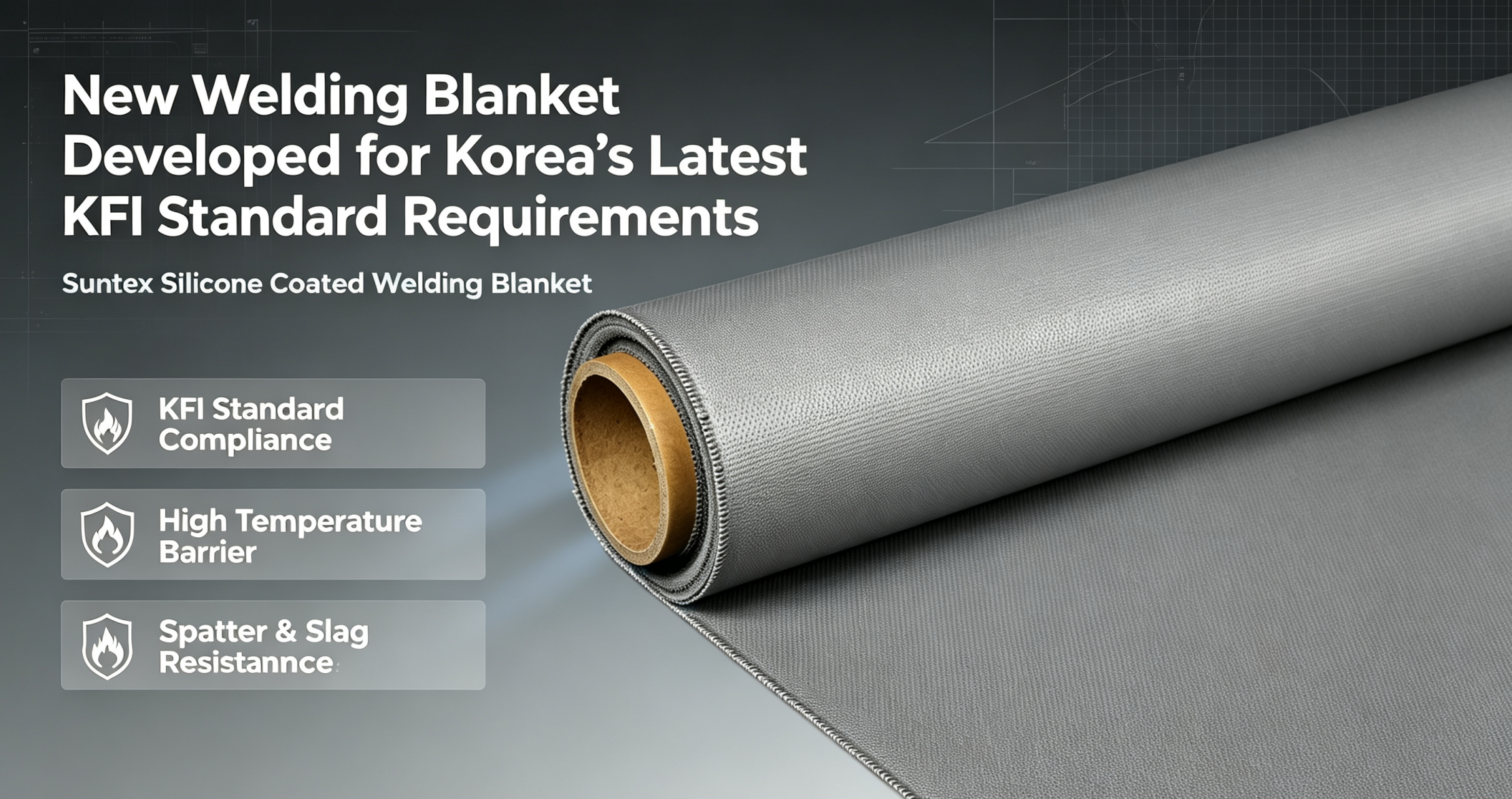
New Welding Blanket Developed for Korea’s Latest KFI Standard Requirements Suntex launches upgraded grey silicone-coated fiberglass welding blankets fully compliant with Korea’s latest KFI fire safety standards for hot work. Made of premium grey silicone coated fiberglass rolls, our blankets deliver reliable protection against welding sparks, molten slag, and high heat for welding, cutting, and […]
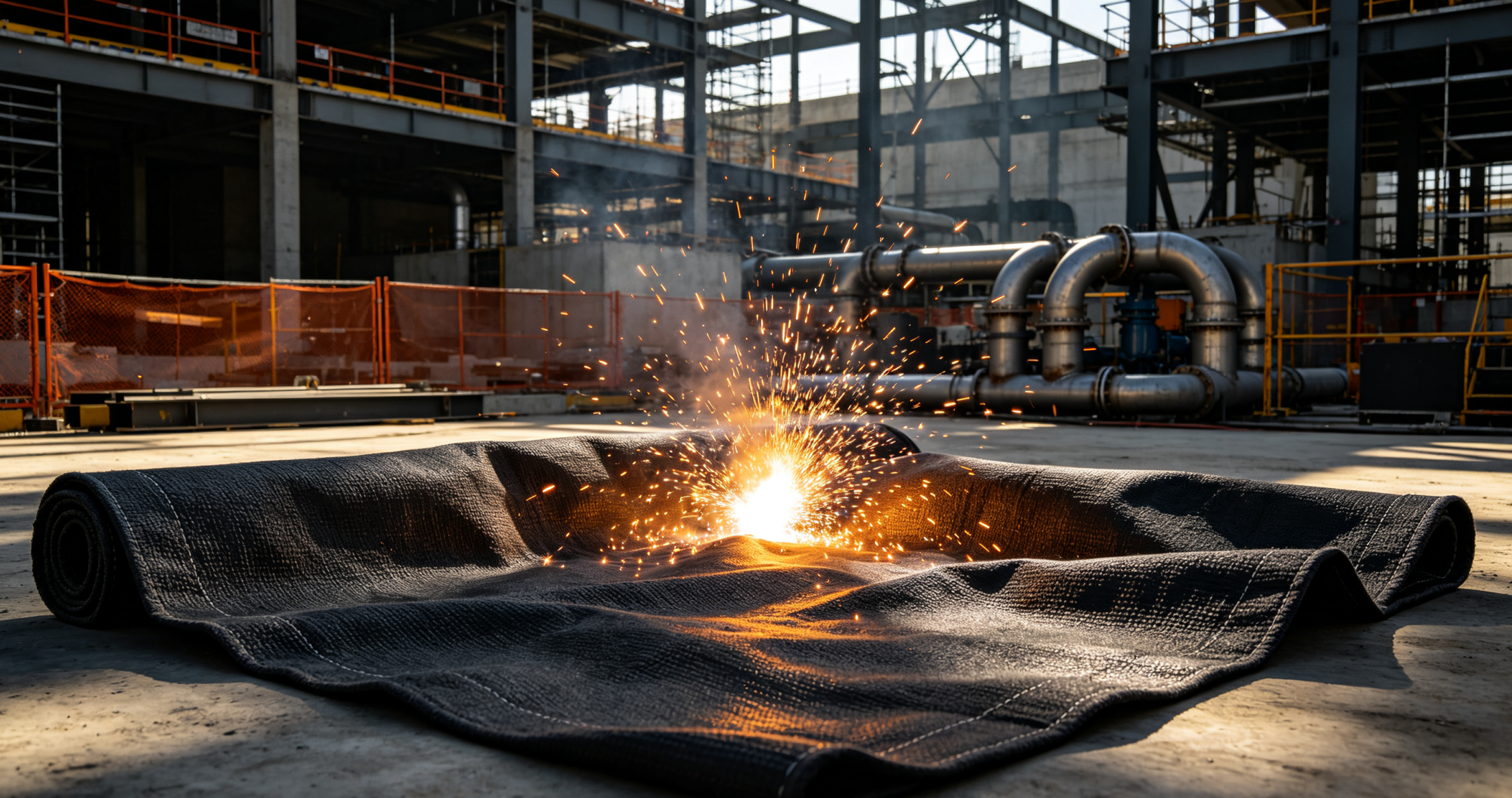
In the high-stakes environment of Japanese automotive manufacturing and precision machining, “good enough” is never enough. When a single stray spark can lead to costly downtime or compromise the integrity of automated assembly lines, the quality of your protective gear is a direct reflection of your operational safety standards. For facilities prioritizing fire prevention and […]
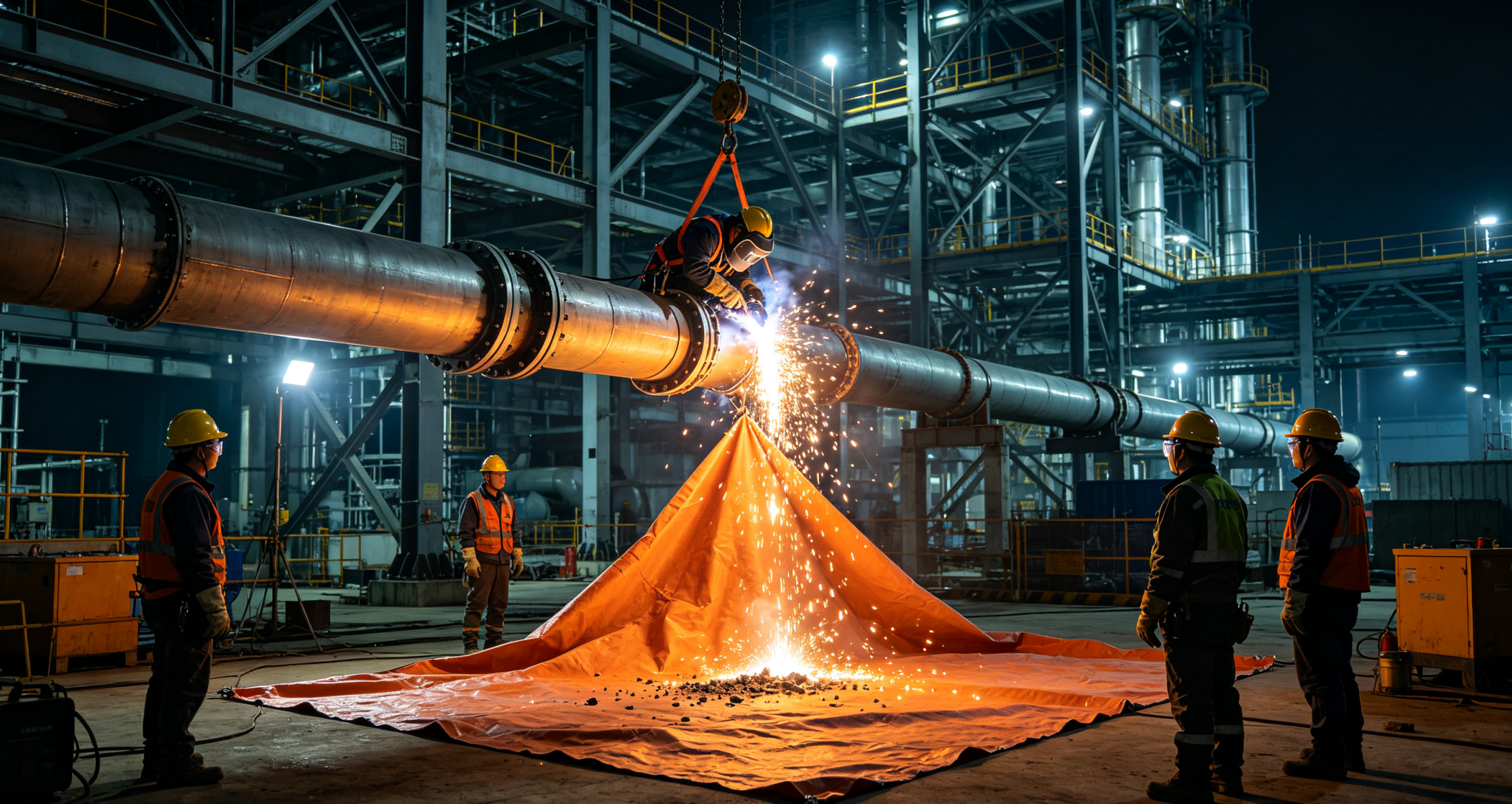
Welding sparks trigger most construction site fires. Even standardized operating procedures carry hidden risks if low-performance flame-retardant fabrics are used. Recent frequent construction fires sound alarms for hot work safety. Most welding-caused blazes stem from inadequate high-temperature slag shielding and substandard fire-resistant materials, rather than improper operation alone. Welding arcs hit over 6,000°C, with flying […]
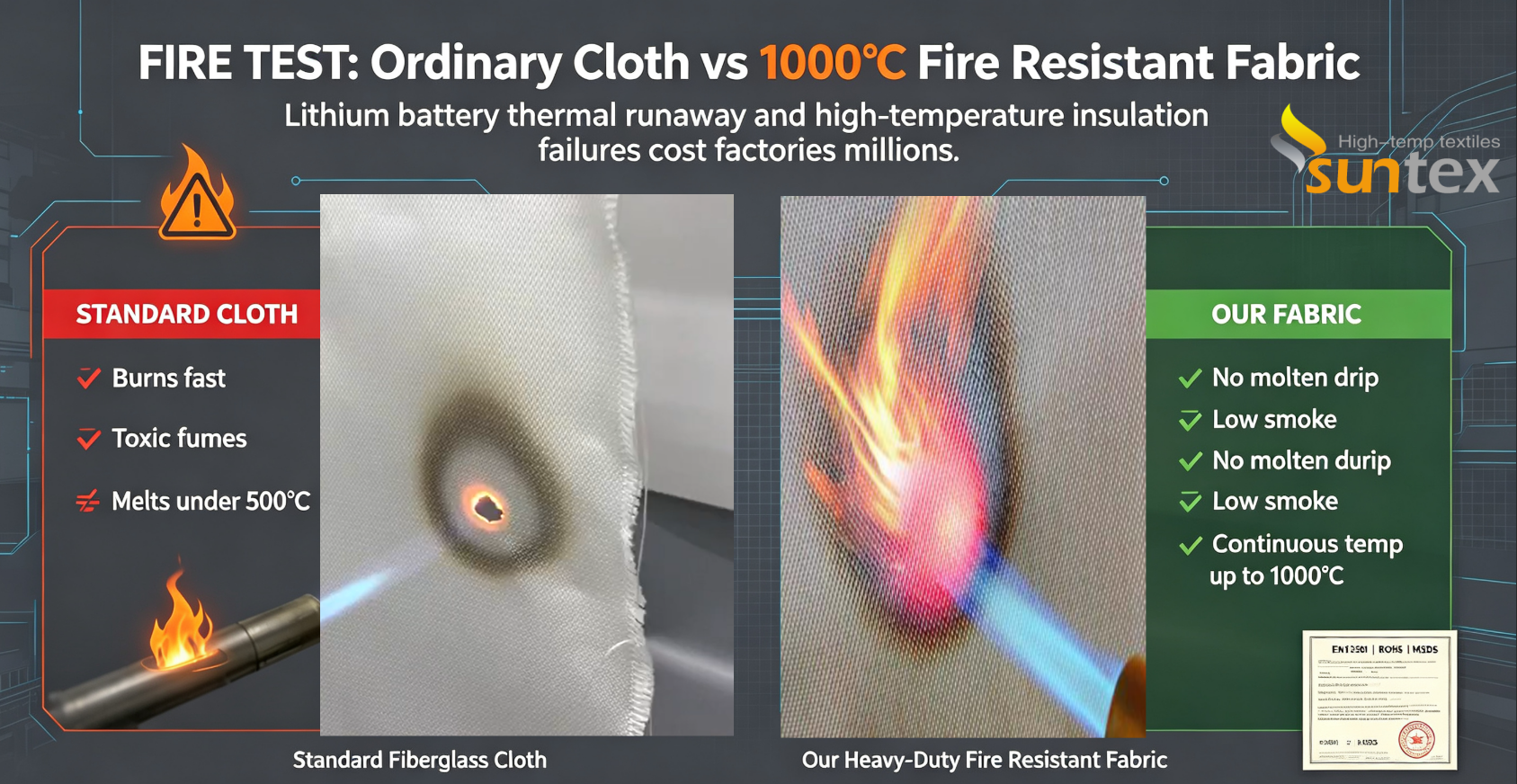
The Hidden Cost of Inferior Thermal Insulation Lithium battery thermal runaway and industrial high-temperature insulation failures frequently trigger factory fires, unplanned shutdowns and massive economic losses. Most of these accidents stem from low-performance standard insulation materials, rather than major equipment faults. Substandard fiberglass cloth fails under high heat, accelerating fire spread and causing costly industrial […]


 English
 Arabic
 Dutch
Dutch French
 German
 Italian
 Polish
 Portuguese
 Russian
 Spanish