

The Ultimate Solution: Why Silicone Coated Fiberglass Fabric is the Ideal Material for Heat Resistance
In a world where heat resistance is of paramount importance, finding the ultimate solution can be a daunting task. Enter silicone coated fiberglass fabric – a material that has revolutionized industries ranging from aerospace to industrial manufacturing. With its unique combination of durability, versatility, and exceptional heat resistance, it has become the go-to choice for professionals seeking a reliable solution. This cutting-edge material not only withstands extreme temperatures but also provides unparalleled protection against fire, chemicals, and other hazardous elements. Its remarkable ability to maintain its structural integrity under intense heat makes it ideal for applications such as welding blankets, insulation covers, and expansion joints. Furthermore, the silicone coating adds an extra layer of protection, making the fabric waterproof, oil-resistant, and highly resistant to abrasion. With silicone coated fiberglass fabric, you can say goodbye to worries about heat damage and embrace a new level of safety and efficiency in your operations.

What is silicone coated fiberglass fabric?
Silicone coated fiberglass fabric is a high-performance material made by impregnating fiberglass fabric with a silicone polymer. This process creates a robust and flexible material that is capable of withstanding extreme temperatures. The silicone coating adds an extra layer of protection, making the fabric waterproof, oil-resistant, and highly resistant to abrasion.
The fabric is typically woven from fine strands of fiberglass, which are known for their excellent heat resistance properties. The addition of the silicone coating enhances these properties, making the fabric even more reliable in high-temperature environments. Silicone coated fiberglass fabric is available in various thicknesses and weights, allowing professionals to choose the most suitable option for their specific needs.
Advantages of silicone coated fiberglass fabric for heat resistance
Silicone coated fiberglass fabric offers several advantages that make it the ideal material for heat resistance applications. Firstly, its exceptional heat resistance allows it to withstand temperatures of up to 500°C (932°F) without losing its structural integrity. This makes it suitable for a wide range of applications, including welding blankets, insulation covers, and expansion joints.
Furthermore, the silicone coating enhances the fabric’s resistance to fire, chemicals, and other hazardous elements. It acts as a barrier, preventing the penetration of flames and providing valuable protection in case of fire-related incidents. This added safety feature makes silicone coated fiberglass fabric a popular choice in industries where fire hazards are a concern.
Another advantage of silicone coated fiberglass fabric is its durability. It is highly resistant to wear and tear, making it an excellent long-term investment. The fabric’s resistance to abrasion ensures that it can withstand the rigors of daily use without compromising its performance. This durability translates into cost savings as it reduces the need for frequent replacements.
Additionally, silicone coated fiberglass fabric is lightweight and flexible, allowing for easy installation and handling. Its versatility makes it suitable for various applications, including thermal insulation, gaskets, and protective clothing. The fabric can be easily cut, sewn, or molded to meet specific requirements, making it a practical choice for custom projects.
Applications of silicone coated fiberglass fabric in various industries
Silicone coated fiberglass fabric finds extensive use in a wide range of industries due to its exceptional heat resistance properties. One of the most common applications is in the aerospace industry, where the fabric is used for thermal insulation in aircraft engines. The fabric’s ability to withstand high temperatures and protect against fire makes it an essential component for ensuring the safety and efficiency of aircraft operations.
In the automotive industry, silicone coated fiberglass fabric is used for heat shields, exhaust wraps, and insulation blankets. These applications help to manage heat generated by engines and exhaust systems, protecting surrounding components from heat damage and improving overall performance.
The fabric is also widely used in the manufacturing industry for applications such as welding blankets, foundry curtains, and insulation covers. These applications require materials that can withstand intense heat and provide protection against sparks and molten metal splashes. Silicone coated fiberglass fabric meets these requirements, making it an indispensable material in industrial environments.
Other industries that benefit from the heat resistance properties of silicone coated fiberglass fabric include construction, oil and gas, power generation, and marine. In construction, the fabric is used for insulation purposes, while in the oil and gas industry, it finds application in thermal insulation blankets and fire-resistant barriers. Power plants utilize the fabric for insulation and as a protective layer for equipment exposed to high temperatures. In the marine industry, silicone coated fiberglass fabric is used for heat insulation in engine rooms and as a protective covering for pipes and valves.

Properties of silicone coated fiberglass fabric that make it ideal for heat resistance
Silicone coated fiberglass fabric possesses several properties that make it an ideal choice for heat resistance applications. Firstly, its exceptional heat resistance allows it to maintain its structural integrity even under extreme temperatures. This property ensures that the fabric remains effective in protecting against heat damage, thereby improving safety and reducing the risk of accidents.
The silicone coating adds an extra layer of protection, making the fabric highly resistant to fire, chemicals, and abrasion. This makes it suitable for use in environments where exposure to hazardous elements is a concern. The fabric’s resistance to flame spread and its self-extinguishing properties provide invaluable protection in case of fire-related incidents.
Additionally, silicone coated fiberglass fabric is waterproof and oil-resistant. This property makes it suitable for applications where exposure to liquids is common, such as in chemical processing plants or food manufacturing facilities. The fabric’s resistance to oil ensures that it remains effective even in environments where oil contamination is a possibility.
Another important property of silicone coated fiberglass fabric is its high dielectric strength. This makes it an excellent insulating material, allowing it to be used in applications where electrical insulation is required. The fabric’s ability to withstand high voltages and prevent electrical conduction enhances its versatility and opens up new possibilities for its use in various industries.

Comparing silicone coated fiberglass fabric with other materials for heat resistance
When it comes to heat resistance, silicone coated fiberglass fabric stands out among other materials. Compared to materials like neoprene or PVC-coated fabrics, silicone coated fiberglass fabric offers superior heat resistance properties. It can withstand higher temperatures and provides better protection against fire and heat damage.
In terms of durability, silicone coated fiberglass fabric outperforms materials like rubber or plastic. Its resistance to wear and tear ensures that it remains effective even after prolonged use, reducing the need for frequent replacements. This durability translates into cost savings and increased operational efficiency.
Furthermore, silicone coated fiberglass fabric offers better flexibility and ease of handling compared to materials like ceramic fiber or refractory bricks. Its lightweight nature allows for easy installation and reduces the strain on structural components. The fabric’s flexibility also makes it suitable for applications that require bending or molding, providing greater design flexibility.
Overall, silicone coated fiberglass fabric offers a winning combination of heat resistance, durability, and versatility, making it the ideal material for heat resistance applications.
Contact Details
Suntex Composite Industrial Co., Ltd.
Contact Person: Mr. Jason Hu
Tel: +86 132 0712 7986

Send your inquiry directly to us
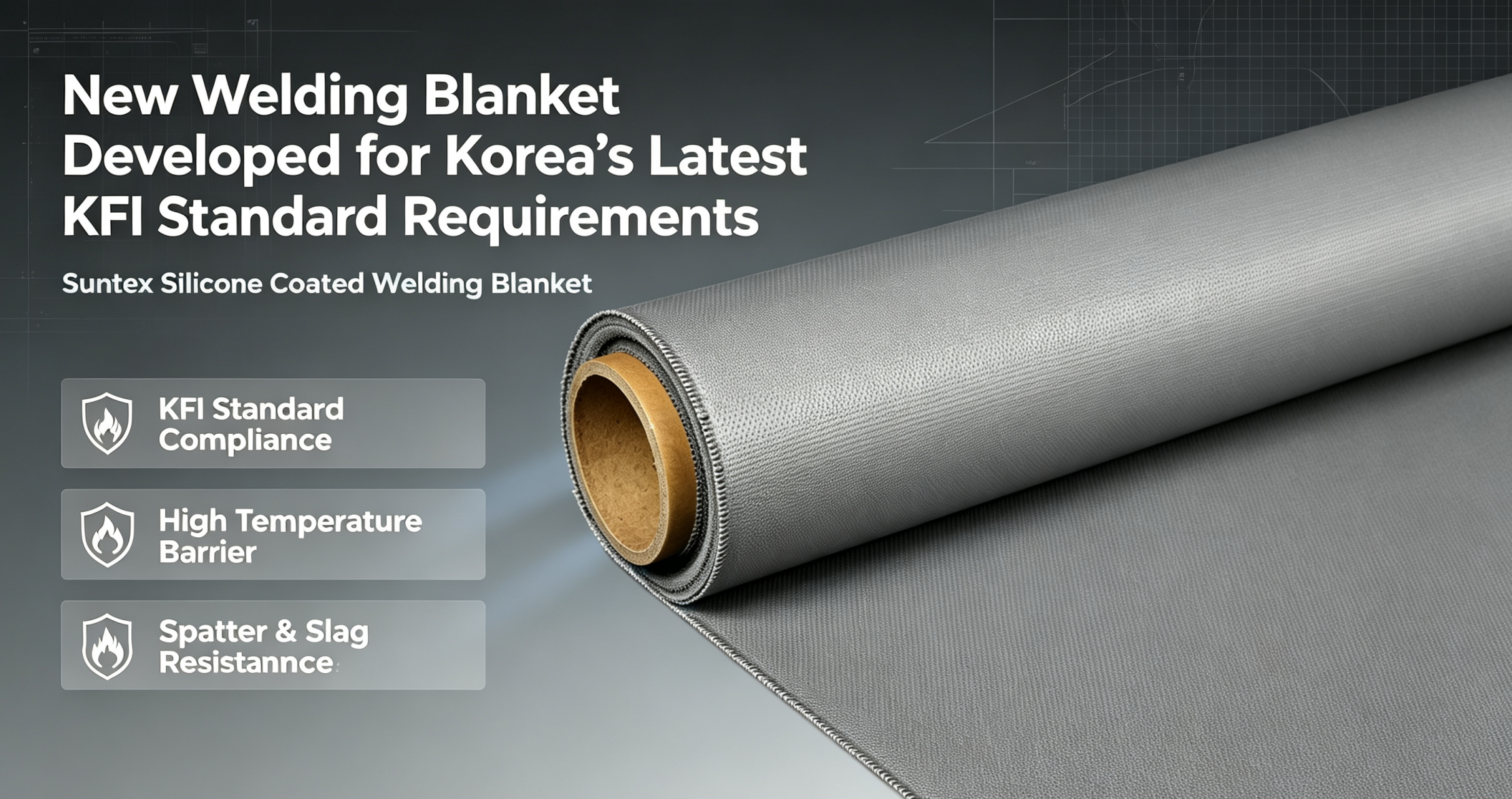
New Welding Blanket Developed for Korea’s Latest KFI Standard Requirements Suntex launches upgraded grey silicone-coated fiberglass welding blankets fully compliant with Korea’s latest KFI fire safety standards for hot work. Made of premium grey silicone coated fiberglass rolls, our blankets deliver reliable protection against welding sparks, molten slag, and high heat for welding, cutting, and […]
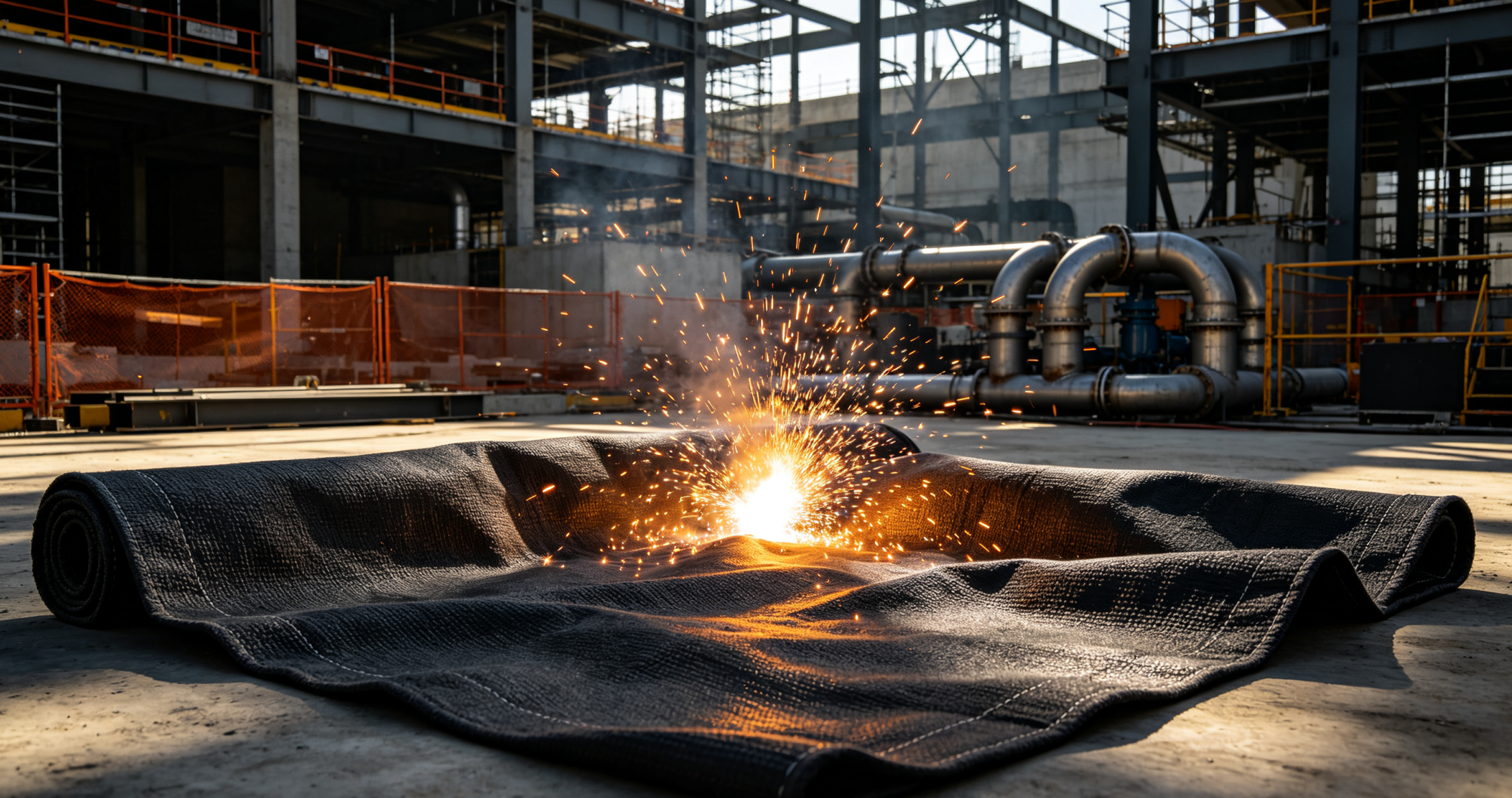
In the high-stakes environment of Japanese automotive manufacturing and precision machining, “good enough” is never enough. When a single stray spark can lead to costly downtime or compromise the integrity of automated assembly lines, the quality of your protective gear is a direct reflection of your operational safety standards. For facilities prioritizing fire prevention and […]
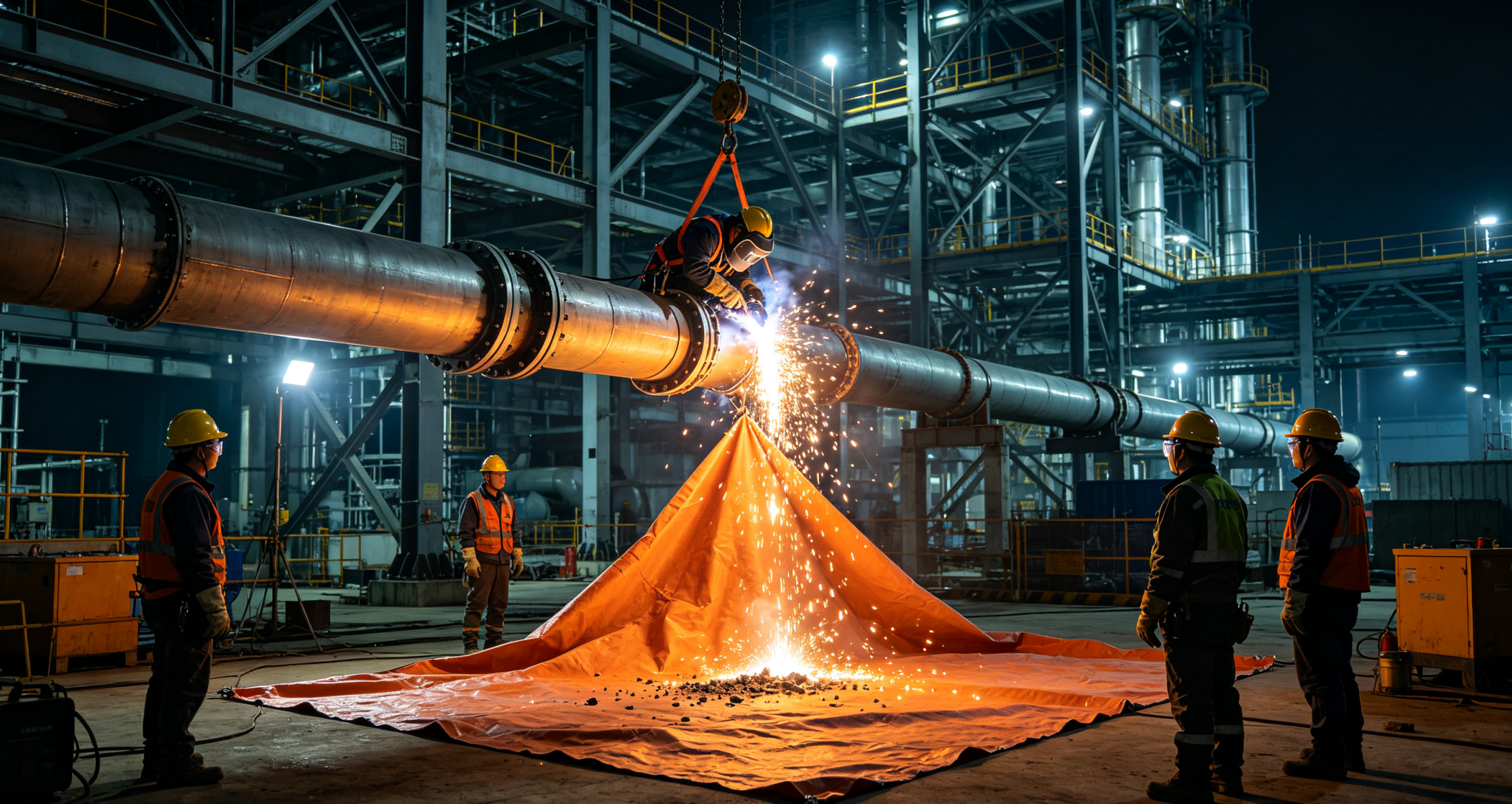
Welding sparks trigger most construction site fires. Even standardized operating procedures carry hidden risks if low-performance flame-retardant fabrics are used. Recent frequent construction fires sound alarms for hot work safety. Most welding-caused blazes stem from inadequate high-temperature slag shielding and substandard fire-resistant materials, rather than improper operation alone. Welding arcs hit over 6,000°C, with flying […]
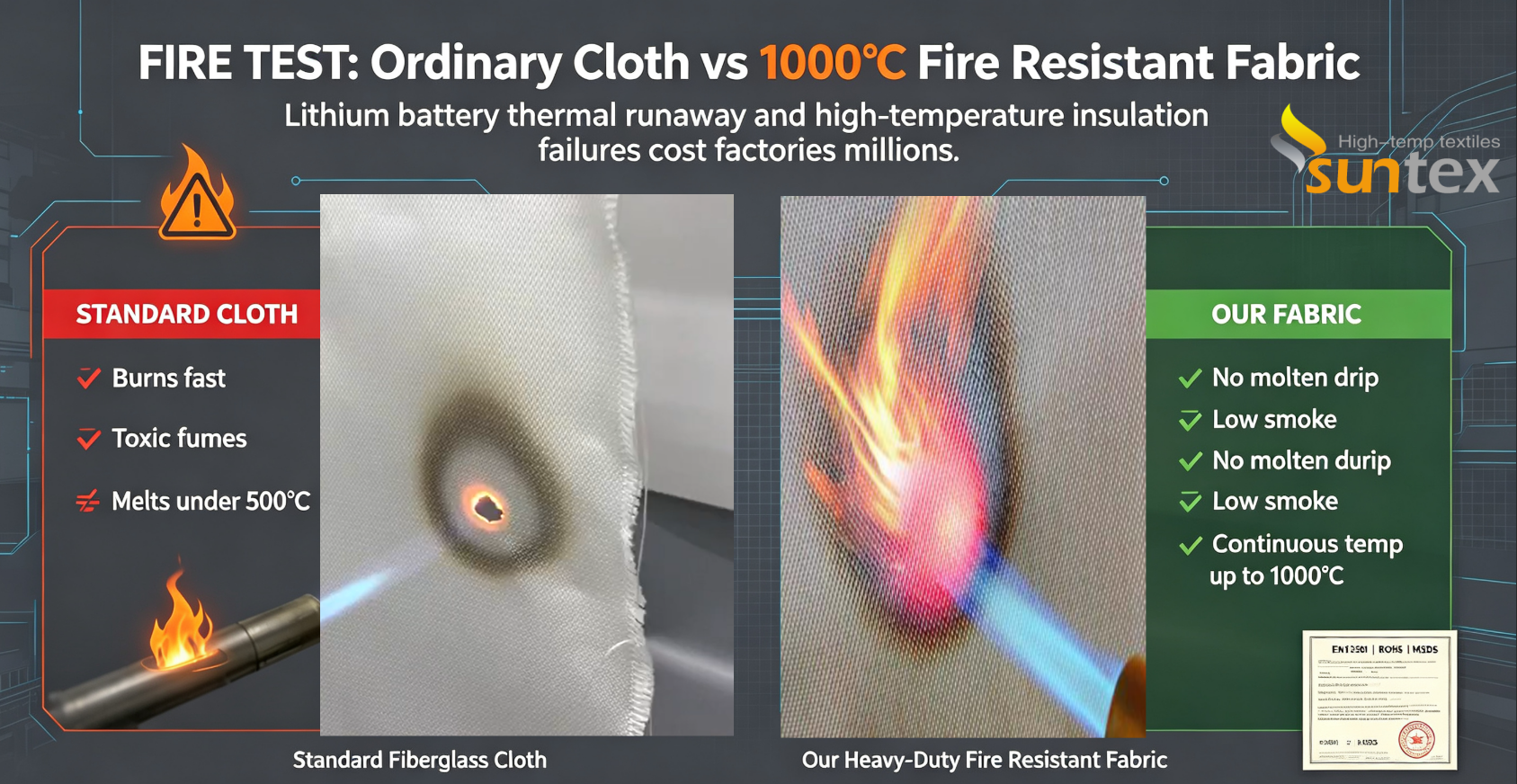
The Hidden Cost of Inferior Thermal Insulation Lithium battery thermal runaway and industrial high-temperature insulation failures frequently trigger factory fires, unplanned shutdowns and massive economic losses. Most of these accidents stem from low-performance standard insulation materials, rather than major equipment faults. Substandard fiberglass cloth fails under high heat, accelerating fire spread and causing costly industrial […]


 English
 Arabic
 Dutch
Dutch French
 German
 Italian
 Polish
 Portuguese
 Russian
 Spanish