

As the demand for high-performance fabrics continues to rise, so does the need for a deeper understanding of their thermal regulation properties. From firefighters battling intense heat to athletes pushing their limits, these fabrics play a critical role in optimizing comfort, safety, and performance. But what is it about these materials that sets them apart? In this article, we will delve into the science behind high heat fabrics, exploring the intricate mechanisms that enable them to regulate temperature and keep the wearer cool in extreme conditions. From advanced moisture-wicking technologies to innovative insulating materials, we will uncover the secrets behind these fabrics’ ability to dissipate heat, manage moisture, and maintain optimal body temperature. Whether you’re a professional in need of the latest gear or simply curious about the science behind these remarkable textiles, join us as we embark on a fascinating journey into the world of high heat fabrics.
Understanding Thermal Regulation
Thermal regulation refers to the process of maintaining a stable body temperature in response to external environmental conditions. In high-heat situations, such as working in a foundry or participating in intense physical activities, the body’s natural cooling mechanisms may not be sufficient to prevent overheating. This is where high heat fabrics come into play, as they are specifically designed to aid in the body’s thermoregulation process.
High heat fabrics work by utilizing innovative technologies and materials that promote heat transfer, moisture management, and insulation. By understanding the science behind these fabrics, we can appreciate how they effectively regulate temperature and enhance comfort in extreme conditions.
Importance of Thermal Regulation in Different Industries
Thermal regulation is of utmost importance in various industries where workers are exposed to high temperatures. One such industry is firefighting, where firefighters face extreme heat and the risk of heat-related injuries. High heat fabrics in firefighting gear help protect firefighters by managing heat transfer and maintaining a comfortable body temperature. This enables them to focus on their crucial tasks without being hindered by the heat.
Another industry that relies on thermal regulation is athletics. Athletes engaging in intense physical activities generate a significant amount of heat, which can affect their performance and overall well-being. High heat fabrics in sports apparel aid in dissipating heat and managing moisture, ensuring athletes can perform at their best without being compromised by excessive heat.
How High Heat Fabrics Work
High heat fabrics employ various mechanisms to regulate temperature and keep the wearer cool. One of the key features of these fabrics is moisture-wicking technology. Moisture-wicking fabrics are designed to pull sweat away from the body and onto the fabric’s surface, where it can evaporate more easily. This helps to keep the skin dry and cool, preventing discomfort and heat-related issues.
Another important aspect of high heat fabrics is their insulating properties. These fabrics are engineered to provide insulation by trapping air and preventing heat transfer. They act as a barrier against external heat sources, keeping the wearer cool in hot environments. Additionally, some high heat fabrics incorporate phase-change materials that absorb and release heat as the wearer’s body temperature changes, providing an additional level of thermal regulation.
Types of High Heat Fabrics and Their Thermal Properties
There are various types of high heat fabrics available, each with its unique thermal properties. One common type is Nomex, a flame-resistant fabric widely used in firefighting gear and industrial applications. Nomex is known for its excellent thermal stability and resistance to heat, making it ideal for protecting workers in high-heat environments.
Another popular high heat fabric is Kevlar, which is renowned for its exceptional strength and heat resistance. Kevlar is commonly used in protective equipment for firefighters, military personnel, and industrial workers. Its high thermal stability and durability make it a reliable choice for those working in extreme conditions.
Applications of High Heat Fabrics in Various Industries
High heat fabrics find applications in a wide range of industries, including firefighting, military, industrial, and sports. In the firefighting industry, these fabrics are used in protective clothing, gloves, and hoods to shield firefighters from intense heat and flames. In the military sector, high heat fabrics are incorporated into combat uniforms and equipment to enhance soldiers’ safety and performance.
The industrial sector also benefits from high heat fabrics, with workers in foundries, steel mills, and other high-temperature environments relying on these fabrics for protection. Additionally, high heat fabrics play a crucial role in the sports industry, with athletes wearing specialized apparel to regulate their body temperature and improve their performance.
Advantages and Limitations of High Heat Fabrics
High heat fabrics offer several advantages, such as heat resistance, moisture management, and insulation. These fabrics provide a protective barrier against extreme temperatures, ensuring the wearer’s safety and comfort. The moisture-wicking properties of high heat fabrics help regulate sweat and prevent overheating, allowing for prolonged use in hot conditions.
However, high heat fabrics also have limitations. Some fabrics may be less durable and require careful maintenance to retain their thermal properties. Additionally, high heat fabrics may not be suitable for all environments and activities, as their performance can vary depending on the specific conditions they are exposed to.
Innovations in High Heat Fabric Technology
The field of high heat fabric technology is constantly evolving, with advancements aimed at improving thermal regulation and overall performance. One notable innovation is the development of smart fabrics, which incorporate sensors and electronic components to monitor body temperature and adjust the fabric’s properties accordingly. These smart fabrics can actively regulate temperature, providing personalized thermal comfort in real-time.
Another exciting development is the use of nanotechnology in high heat fabrics. Nanoparticles embedded in the fabric’s fibers can enhance the fabric’s thermal properties, making it more efficient at heat dissipation and insulation. This nanotechnology also enables the fabrication of lightweight and flexible high heat fabrics, expanding their applications in various industries.
Factors to Consider When Choosing High Heat Fabrics
When selecting high heat fabrics, several factors should be considered. Firstly, the intended application and industry requirements should be taken into account. Different industries have specific regulations and standards for protective clothing, and it is essential to choose fabrics that meet these requirements.
Additionally, the fabric’s thermal properties, such as heat resistance, insulation, and moisture management, should be evaluated. It is crucial to select fabrics that offer the desired level of thermal regulation for the intended use. Comfort, durability, and ease of maintenance are also important considerations when choosing high heat fabrics.
Conclusion: The Future of High Heat Fabrics and Their Impact on Thermal Regulation
High heat fabrics have revolutionized industries that require thermal regulation, providing comfort, safety, and performance optimization in extreme conditions. As technology continues to advance, we can expect further innovations in high heat fabric technology, leading to the development of even more efficient and versatile fabrics.
The future of high heat fabrics holds great promise, with ongoing research focusing on enhancing their thermal properties, durability, and functionality. These advancements will undoubtedly have a profound impact on various industries, from firefighting to athletics, enabling professionals and athletes to operate in high-heat environments with ease and confidence.
In conclusion, high heat fabrics are a testament to the remarkable integration of science and textile engineering. Their ability to regulate temperature, manage moisture, and maintain optimal body temperature showcases the incredible advancements made in the field. Whether you are a professional in need of protective gear or simply fascinated by the science behind these textiles, understanding the intricacies of high heat fabrics allows us to appreciate their true value in enhancing comfort, safety, and performance in extreme conditions.
—


Contact Details
Suntex Composite Industrial Co., Ltd.
Contact Person: Mr. Jason Hu
Tel: +86 132 0712 7986

Send your inquiry directly to us
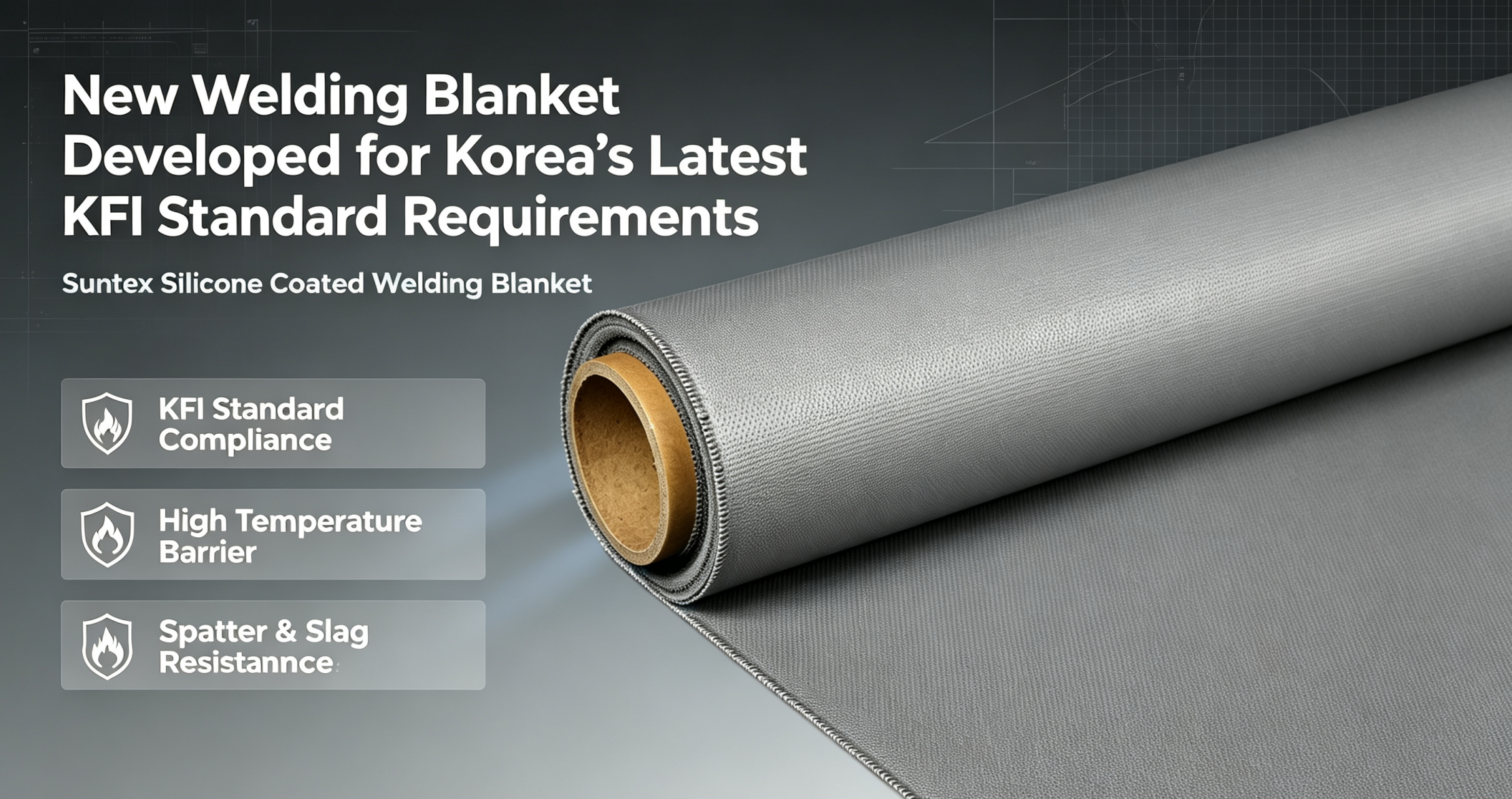
New Welding Blanket Developed for Korea’s Latest KFI Standard Requirements Suntex launches upgraded grey silicone-coated fiberglass welding blankets fully compliant with Korea’s latest KFI fire safety standards for hot work. Made of premium grey silicone coated fiberglass rolls, our blankets deliver reliable protection against welding sparks, molten slag, and high heat for welding, cutting, and […]
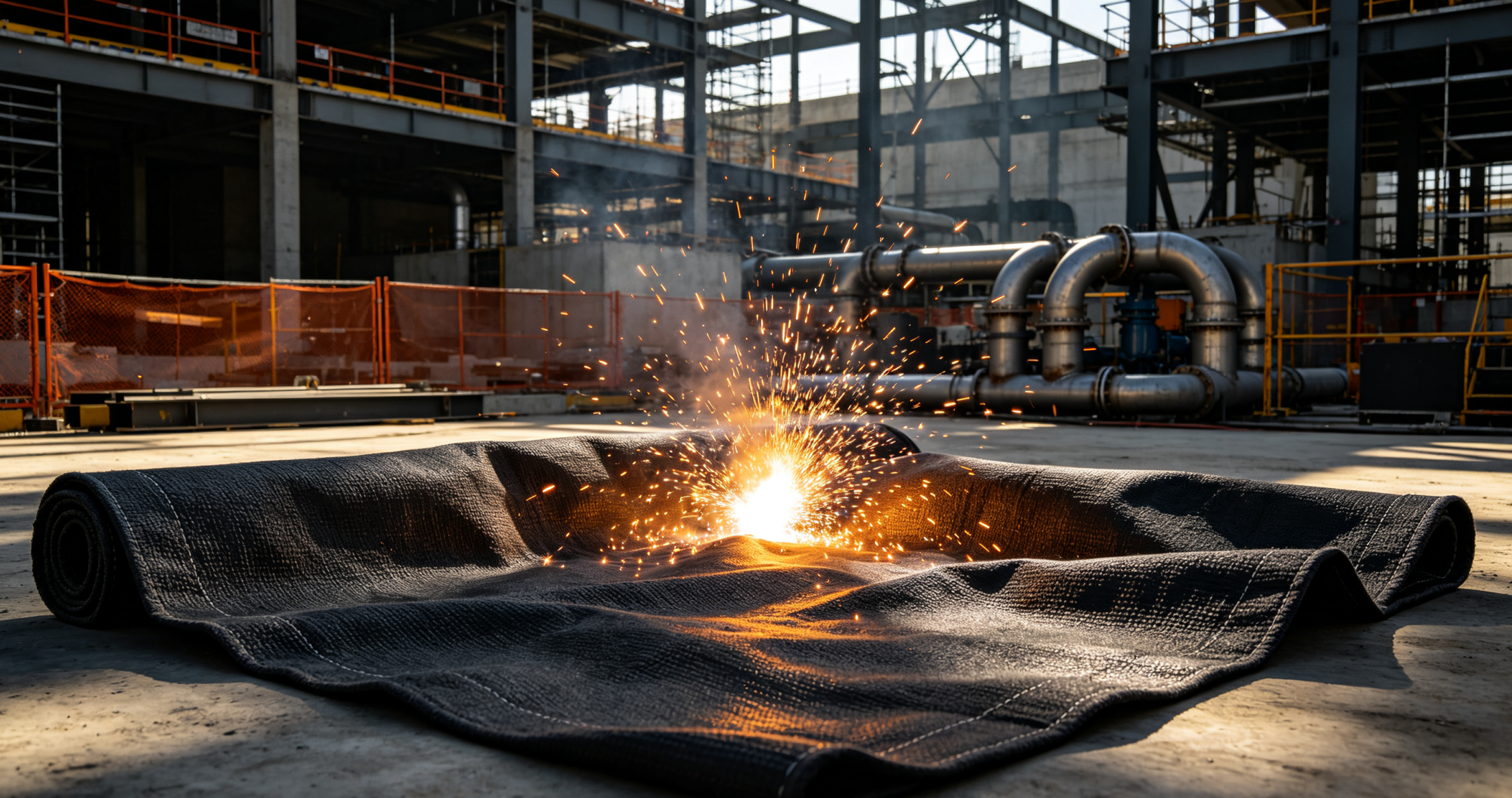
In the high-stakes environment of Japanese automotive manufacturing and precision machining, “good enough” is never enough. When a single stray spark can lead to costly downtime or compromise the integrity of automated assembly lines, the quality of your protective gear is a direct reflection of your operational safety standards. For facilities prioritizing fire prevention and […]
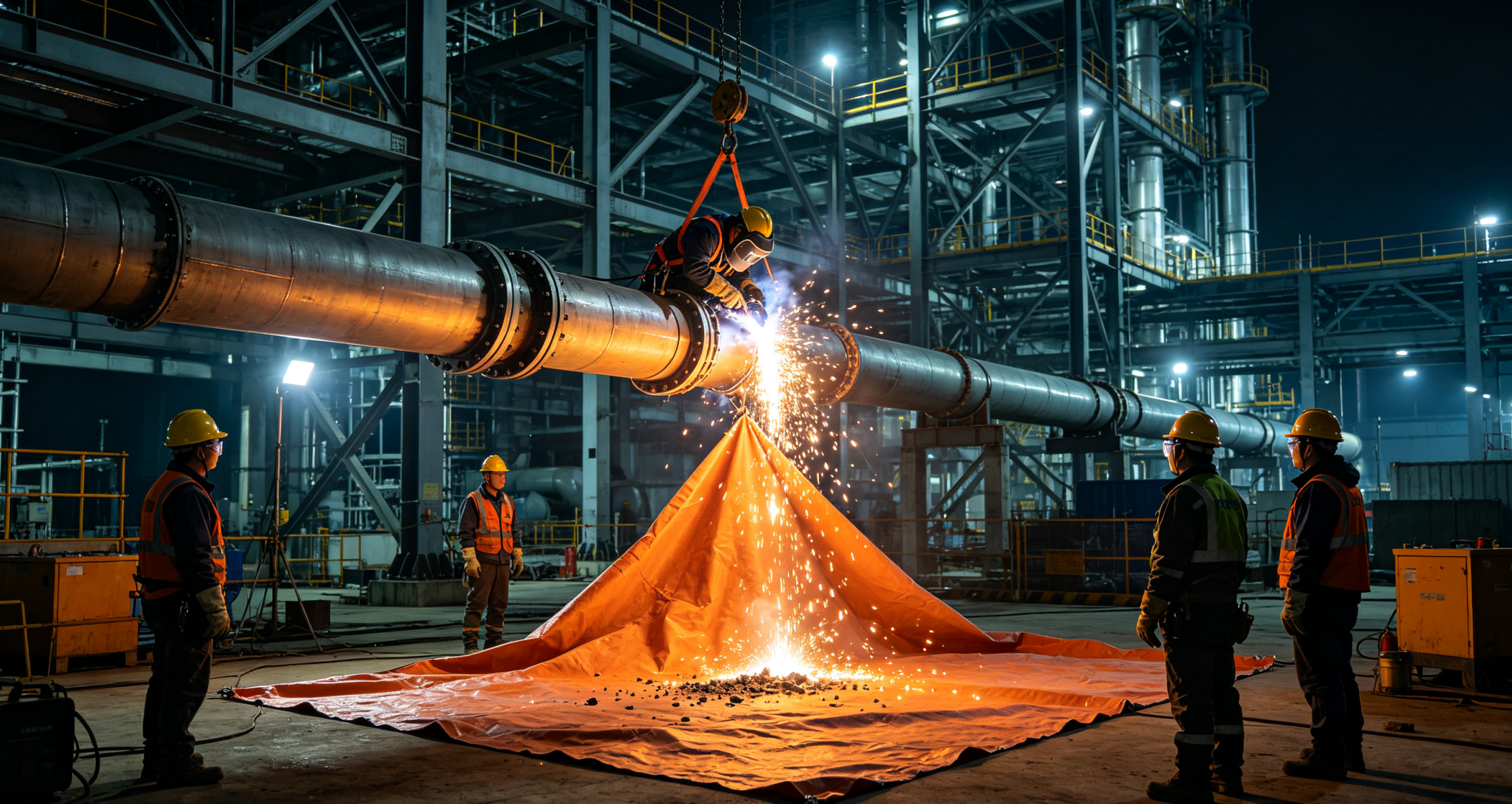
Welding sparks trigger most construction site fires. Even standardized operating procedures carry hidden risks if low-performance flame-retardant fabrics are used. Recent frequent construction fires sound alarms for hot work safety. Most welding-caused blazes stem from inadequate high-temperature slag shielding and substandard fire-resistant materials, rather than improper operation alone. Welding arcs hit over 6,000°C, with flying […]
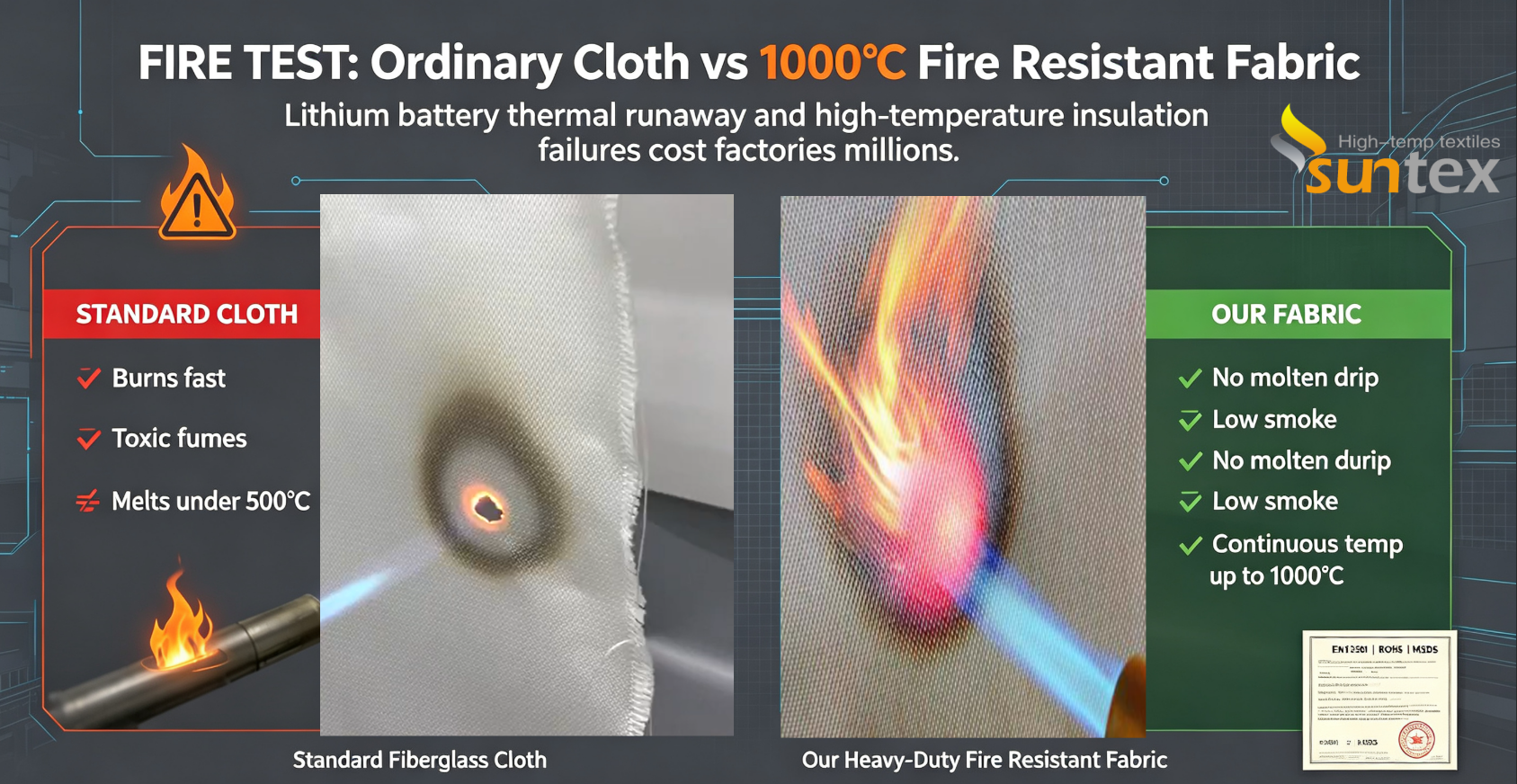
The Hidden Cost of Inferior Thermal Insulation Lithium battery thermal runaway and industrial high-temperature insulation failures frequently trigger factory fires, unplanned shutdowns and massive economic losses. Most of these accidents stem from low-performance standard insulation materials, rather than major equipment faults. Substandard fiberglass cloth fails under high heat, accelerating fire spread and causing costly industrial […]


 English
 Arabic
 Dutch
Dutch French
 German
 Italian
 Polish
 Portuguese
 Russian
 Spanish