

In today’s world, where industries are constantly pushing the limits of innovation and technology, the need for high temperature heat resistant fabric has become more crucial than ever. From aerospace to manufacturing, protecting workers and equipment from extreme heat is a top priority. But have you ever wondered about the science behind these remarkable fabrics? How do they withstand such intense temperatures, and why are they essential in various industries? In this article, we will delve into the fascinating world of high temperature heat resistant fabric, exploring its composition, properties, and applications. Whether you’re a curious individual or a professional seeking a deeper understanding, join us as we unravel the secrets behind these incredible materials that play a vital role in ensuring safety and performance in high-temperature environments.
How does high temperature heat resistant fabric work?
High temperature heat resistant fabric is designed to withstand extreme temperatures by utilizing advanced materials and construction techniques. The key to its effectiveness lies in its ability to provide a barrier between the heat source and the wearer or equipment. These fabrics are engineered to have a high thermal stability, meaning they can sustain their structural integrity and protect against heat transfer even at elevated temperatures.
The science behind high temperature heat resistant fabric involves a combination of key factors. First, the fabric’s composition plays a crucial role. It is typically made from specialized fibers, such as aramid, fiberglass, or ceramic, which have inherently high thermal resistance. These fibers are carefully woven or knitted together to create a strong and durable fabric that can withstand intense heat.
Secondly, the fabric may undergo additional treatments or coatings to enhance its heat resistance properties. This can include the application of fire retardant chemicals or the use of silicone-based coatings that provide an extra layer of protection against heat and flames. These treatments further enhance the fabric’s ability to withstand high temperatures and prevent heat transfer.
Lastly, the construction of the fabric itself is designed to maximize its heat resistance. The fibers are often tightly woven or knitted to create a dense fabric structure that minimizes the passage of heat. Additionally, special techniques like quilting or layering can be employed to create air pockets within the fabric, which act as insulators and reduce heat transfer.
In summary, high temperature heat resistant fabric works by combining specialized fibers, additional treatments or coatings, and advanced construction techniques to create a fabric that can withstand extreme temperatures and provide effective heat protection.
The importance of high temperature heat resistant fabric in various industries
High temperature heat resistant fabric plays a vital role in a wide range of industries where exposure to extreme heat is a constant risk. One of the primary reasons for its importance is the protection it provides to workers. In industries such as firefighting, foundries, or welding, employees are regularly exposed to high temperatures and flames. Without proper heat resistant fabric, these workers would be at risk of severe burns and injuries.
Moreover, high temperature heat resistant fabric is essential for protecting equipment and infrastructure. In industries like aerospace, automotive, or manufacturing, machinery and components are often subjected to extreme temperatures during operation. Heat resistant fabric helps prevent damage and ensures the longevity and reliability of these critical assets.
Another key importance of high temperature heat resistant fabric is its role in maintaining operational efficiency. In many industrial processes, heat is a byproduct that needs to be controlled or redirected. Heat resistant fabric is used in insulation systems and protective barriers to manage heat transfer effectively, preventing energy loss and optimizing production processes.
Furthermore, high temperature heat resistant fabric is crucial for ensuring compliance with safety regulations and standards. Many industries are subject to strict safety guidelines that require the use of certified heat resistant fabric for specific applications. By using these fabrics, companies can demonstrate their commitment to safety and avoid costly penalties or legal consequences.
Overall, the importance of high temperature heat resistant fabric cannot be overstated. It protects workers, safeguards equipment, improves operational efficiency, and ensures regulatory compliance in various industries.

Common applications of high temperature heat resistant fabric
High temperature heat resistant fabric finds applications in a wide range of industries and settings. Here are some common examples:
1. **Firefighting**: Firefighters rely on heat resistant fabric for their protective clothing, including turnout gear, hoods, and gloves. These fabrics provide crucial protection against the intense heat and flames encountered in firefighting operations.
2. **Welding and metalworking**: In welding and metalworking industries, workers are exposed to high temperatures and sparks. Heat resistant fabric is used in welding jackets, aprons, and blankets to protect against burns and sparks from welding or grinding operations.
3. **Foundries**: Foundries involve the casting of molten metals, which requires workers to be in close proximity to extreme heat. Heat resistant fabric is used in foundry suits and accessories to protect against splashes of molten metal and radiant heat.
4. **Aerospace**: The aerospace industry relies on high temperature heat resistant fabric for various applications, including thermal insulation for aircraft engines, heat shields for re-entry vehicles, and protective suits for astronauts during spacewalks.
5. **Automotive**: Heat resistant fabric is used in automotive applications such as exhaust system insulation, engine compartment insulation, and heat shields to protect sensitive components from high temperatures.
6. **Glass manufacturing**: Glass manufacturing processes involve high temperatures, and heat resistant fabric is used in kilns and furnaces to protect workers and prevent heat loss.
7. **Electronics**: Heat resistant fabric is used in the electronics industry to protect sensitive electronic components from high temperatures during manufacturing processes or in high-temperature environments.
These are just a few examples of the many industries that rely on high temperature heat resistant fabric to ensure safety, protect equipment, and optimize operational processes.
Key features to consider when choosing high temperature heat resistant fabric
When selecting high temperature heat resistant fabric, there are several key features to consider to ensure the right fabric is chosen for the intended application. These features include:
1. **Temperature resistance**: Different fabrics have different temperature thresholds. It is essential to select a fabric that can withstand the expected temperature range in the specific application. Consider factors such as continuous exposure, intermittent exposure, and peak temperatures.
2. **Fire resistance**: Look for fabrics that are inherently fire retardant or have been treated with fire retardant chemicals. Fire resistance is crucial to prevent the spread of flames and minimize the risk of burn injuries.
3. **Durability**: High temperature environments can be harsh and demanding. Choose fabrics that are strong, abrasion-resistant, and have a long lifespan to ensure they can withstand the rigors of the application.
4. **Comfort**: Comfort is an important factor, especially for fabrics used in personal protective equipment. Look for fabrics that are breathable, lightweight, and have moisture-wicking properties to enhance overall comfort and reduce fatigue.
5. **Flexibility**: Consider the flexibility and drape of the fabric. Depending on the application, fabrics may need to be flexible and conform to various shapes or movements without compromising heat resistance.
6. **Chemical resistance**: Some applications may involve exposure to chemicals or corrosive substances. In such cases, it is crucial to select fabrics that are resistant to chemicals to ensure their performance and longevity.
7. **Certifications**: Look for fabrics that have been tested and certified to meet relevant industry standards and regulations. Certifications provide assurance of quality and performance.
By considering these key features, one can choose the most suitable high temperature heat resistant fabric for a specific application, ensuring optimal safety and performance.
Testing and certification standards for high temperature heat resistant fabric
To ensure the quality and performance of high temperature heat resistant fabric, various testing and certification standards have been established. These standards help manufacturers, users, and regulatory bodies evaluate the fabric’s ability to withstand high temperatures and provide effective heat protection.
One of the most widely recognized standards for high temperature heat resistant fabric is the **NFPA 2112** standard. This standard sets the requirements for flame-resistant garments used in industries where flash fires are a risk, such as oil and gas, utilities, and chemical manufacturing.
Another important standard is the **EN ISO 11612** standard, which specifies the performance requirements for protective clothing against heat and flame. It covers various aspects, including flame spread, convective heat resistance, radiant heat resistance, and more.
In the United States, the **ASTM F1930** standard is commonly used for evaluating the heat and flame resistance of fabrics. It involves a test method called the “Manikin Test,” where a thermal manikin is dressed in the fabric and exposed to a controlled heat source. The heat transfer and protection provided by the fabric are measured and evaluated.
Additionally, various industry-specific standards exist, such as the **ASTM F955** standard for heat resistant gloves and the **ASTM F1002** standard for heat resistant aprons. These standards ensure that heat resistant fabric used in specific applications meets the necessary requirements for protection.
When choosing high temperature heat resistant fabric, it is essential to look for fabrics that have been tested and certified to meet relevant standards. These certifications provide confidence in the fabric’s performance and ensure compliance with safety regulations.
Advancements and innovations in high temperature heat resistant fabric technology
As industries continue to evolve and demand higher performance from heat resistant fabrics, advancements and innovations in technology are driving the development of new and improved materials.
One area of innovation is the development of **nano-coatings** for heat resistant fabrics. These coatings utilize nanotechnology to create an ultra-thin layer on the fabric’s surface, providing enhanced heat resistance, flame retardancy, and durability. Nano-coatings offer improved protection while maintaining the fabric’s breathability and flexibility.
Another advancement is the use of **ceramic fibers** in high temperature heat resistant fabrics. Ceramic fibers have exceptional thermal stability and can withstand extremely high temperatures. Fabrics made from ceramic fibers provide superior heat resistance, low thermal conductivity, and excellent insulation properties.
Furthermore, **multilayer fabrics** are becoming increasingly popular in high temperature applications. These fabrics consist of multiple layers, each with different properties, such as heat resistance, flame resistance, or moisture management. The combination of these layers provides enhanced protection and performance in extreme heat environments.
In recent years, there has also been a focus on developing **sustainable** heat resistant fabrics. Manufacturers are exploring eco-friendly fibers, such as recycled materials or bio-based fibers, to reduce the environmental impact of these fabrics without compromising performance.
Additionally, advancements in textile engineering and manufacturing techniques have led to the creation of fabrics with **improved comfort**. Fabrics with moisture-wicking properties, enhanced breathability, and lightweight construction help reduce heat stress and improve overall comfort for workers in high temperature environments.
The continuous advancements and innovations in high temperature heat resistant fabric technology are driving the development of fabrics that offer improved protection, durability, comfort, and sustainability. These advancements ensure that industries have access to the most effective and efficient heat resistant fabrics for their specific needs.

Proper care and maintenance of high temperature heat resistant fabric
To ensure the longevity and effectiveness of high temperature heat resistant fabric, proper care and maintenance are essential. Here are some guidelines to follow:
1. **Follow manufacturer’s instructions**: Always refer to the manufacturer’s care instructions provided with the fabric. These instructions are specific to the fabric’s composition and construction and will guide you on how to properly care for and maintain the fabric.
2. **Inspect regularly**: Regularly inspect the fabric for any signs of wear, damage, or degradation. Look for frayed edges, holes, or discoloration. If any issues are detected, repair or replace the fabric as necessary.
3. **Cleaning**: Clean the fabric as recommended by the manufacturer. Some fabrics can be machine washed, while others may require hand washing or professional cleaning. Use mild detergents and avoid harsh chemicals that can degrade the fabric’s heat resistance properties.
4. **Drying**: Allow the fabric to air dry naturally. Avoid using high heat or direct sunlight, as this can cause damage or shrinkage. Never use a dryer unless specifically instructed by the manufacturer.
5. **Storage**: Store the fabric in a clean, dry, and well-ventilated area. Avoid exposure to excessive heat, moisture, or direct sunlight, as these can degrade the fabric’s performance over time.
6. **Avoid contamination**: Keep the fabric away from chemicals, oils, or substances that can stain or degrade the fabric. If the fabric comes into contact with any contaminants, clean it promptly following the manufacturer’s guidelines.
By following these care and maintenance practices, high temperature heat resistant fabric can maintain its integrity and performance, ensuring long-lasting protection and safety.
Where to buy high temperature heat resistant fabric
High temperature heat resistant fabric can be purchased from various sources, including:
1. **Specialized manufacturers**: Many manufacturers specialize in producing high temperature heat resistant fabrics. These companies have extensive expertise in fabric engineering and can provide fabrics tailored to specific industry requirements.
2. **Industrial suppliers**: Industrial suppliers and distributors often carry a range of high temperature heat resistant fabrics. These suppliers cater to a wide range of industries and can offer fabrics suitable for different applications.
3. **Online marketplaces**: Online marketplaces provide a convenient platform to browse and purchase high temperature heat resistant fabrics. Websites like Amazon, Alibaba, or specialized industrial supply websites offer a wide selection of fabrics from various manufacturers.
4. **Trade shows and exhibitions**: Attending trade shows and exhibitions related to specific industries can be an excellent opportunity to connect with fabric manufacturers and suppliers. These events often showcase the latest innovations and technologies in high temperature heat resistant fabrics.
When purchasing high temperature heat resistant fabric, it is important to consider the fabric’s specifications, certifications, and suitability for the intended application. Working with reputable manufacturers and suppliers ensures access to high-quality fabrics that meet industry standards and performance requirements.
Conclusion: The significance of high temperature heat resistant fabric in ensuring safety and efficiency
High temperature heat resistant fabric plays a critical role in numerous industries where exposure to extreme heat is a constant risk. Whether it’s protecting workers from flames and burns or safeguarding equipment from high temperatures, these fabrics are essential for ensuring safety, efficiency, and compliance with industry regulations.
The science behind high temperature heat resistant fabric involves a combination of specialized fibers, additional treatments or coatings, and advanced construction techniques. These fabrics are designed to withstand intense temperatures by providing a barrier between the heat source and the wearer or equipment.
When choosing high temperature heat resistant fabric, it is important to consider key features such as temperature resistance, fire resistance, durability, comfort, and certifications. By selecting the right fabric for the specific application, optimal protection and performance can be achieved.
Advancements and innovations in high temperature heat resistant fabric technology continue to drive the development of new and improved materials. Nano-coatings, ceramic fibers, multilayer fabrics, and sustainable options are just a few examples of the
Contact Details
Suntex Composite Industrial Co., Ltd.
Contact Person: Mr. Jason Hu
Tel: +86 132 0712 7986

Send your inquiry directly to us
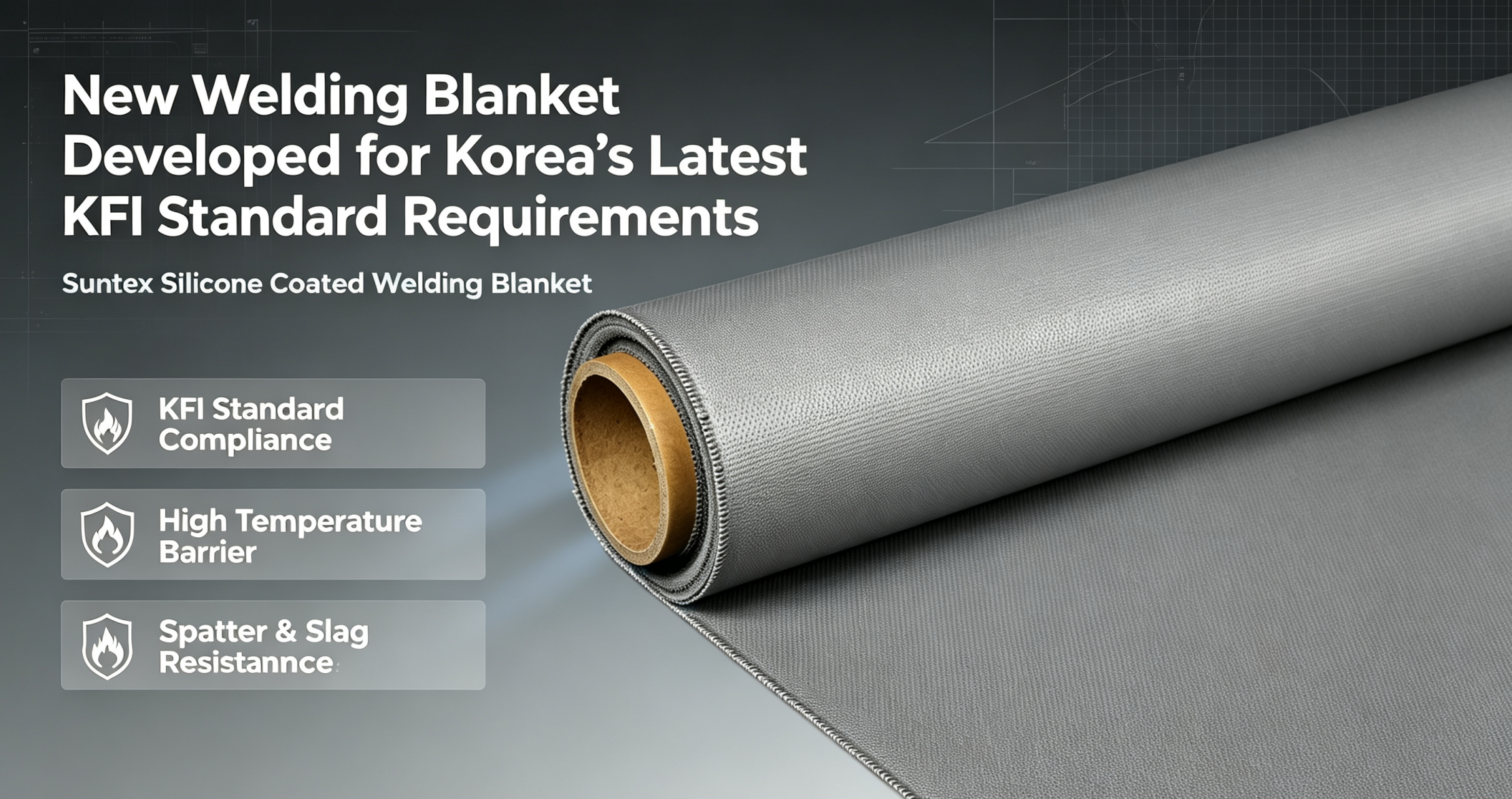
New Welding Blanket Developed for Korea’s Latest KFI Standard Requirements Suntex launches upgraded grey silicone-coated fiberglass welding blankets fully compliant with Korea’s latest KFI fire safety standards for hot work. Made of premium grey silicone coated fiberglass rolls, our blankets deliver reliable protection against welding sparks, molten slag, and high heat for welding, cutting, and […]
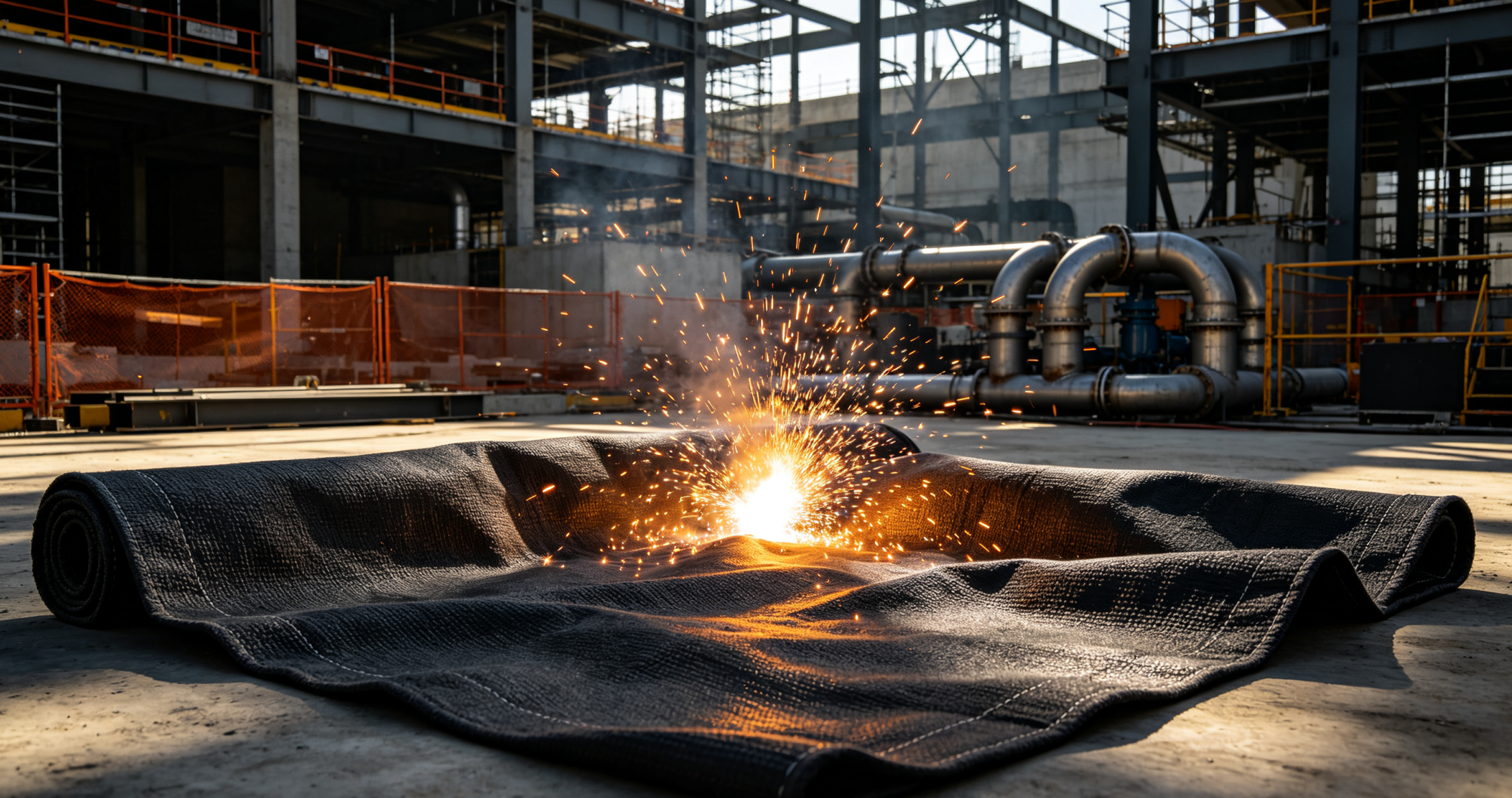
In the high-stakes environment of Japanese automotive manufacturing and precision machining, “good enough” is never enough. When a single stray spark can lead to costly downtime or compromise the integrity of automated assembly lines, the quality of your protective gear is a direct reflection of your operational safety standards. For facilities prioritizing fire prevention and […]
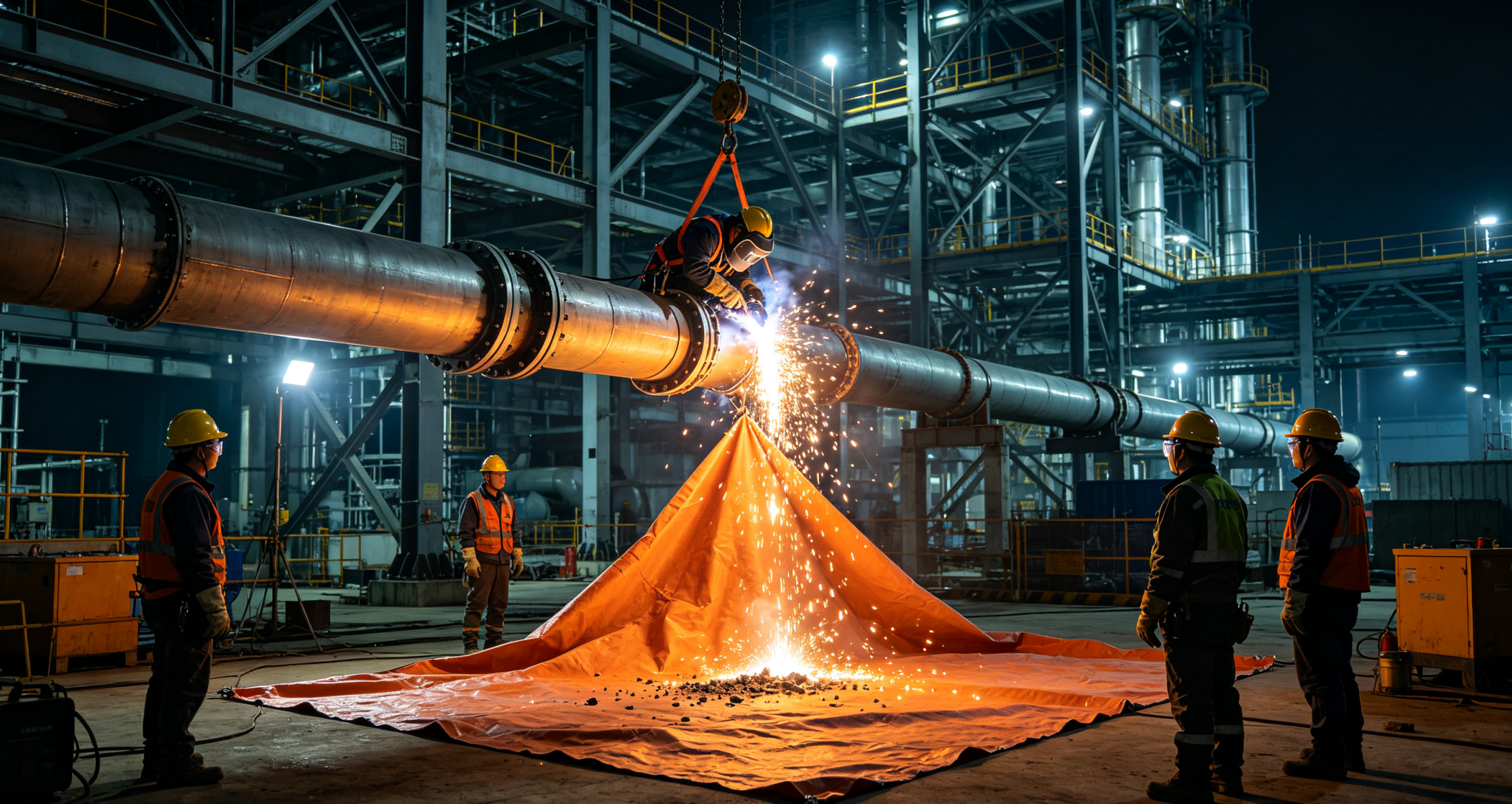
Welding sparks trigger most construction site fires. Even standardized operating procedures carry hidden risks if low-performance flame-retardant fabrics are used. Recent frequent construction fires sound alarms for hot work safety. Most welding-caused blazes stem from inadequate high-temperature slag shielding and substandard fire-resistant materials, rather than improper operation alone. Welding arcs hit over 6,000°C, with flying […]
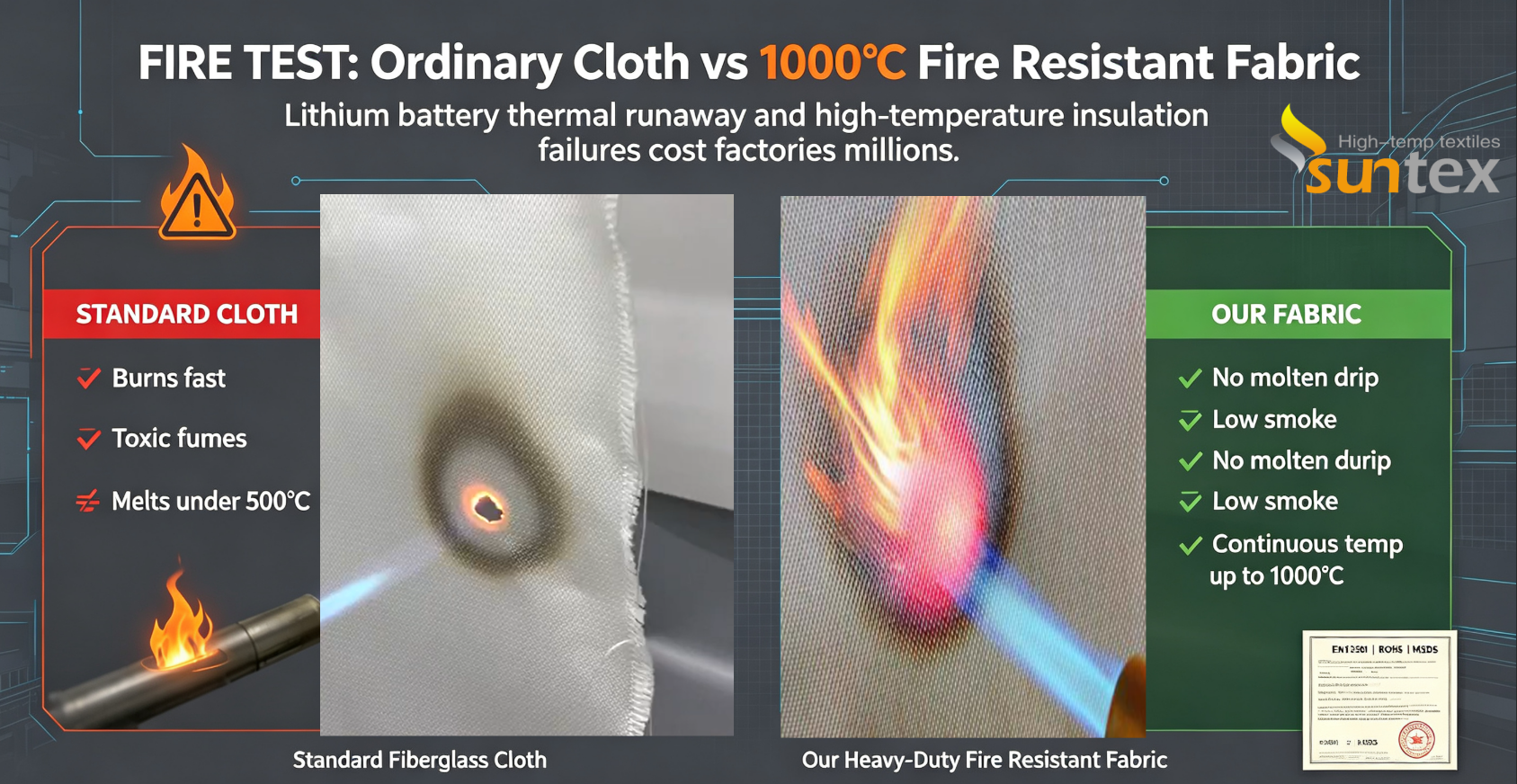
The Hidden Cost of Inferior Thermal Insulation Lithium battery thermal runaway and industrial high-temperature insulation failures frequently trigger factory fires, unplanned shutdowns and massive economic losses. Most of these accidents stem from low-performance standard insulation materials, rather than major equipment faults. Substandard fiberglass cloth fails under high heat, accelerating fire spread and causing costly industrial […]


 English
 Arabic
 Dutch
Dutch French
 German
 Italian
 Polish
 Portuguese
 Russian
 Spanish