

Welcome to the ultimate guide on high temperature silica cloth! If you’re looking for a versatile and durable material that can withstand extreme heat, then you’re in the right place. High temperature silica cloth offers a wide range of benefits and applications, making it a must-have for various industries. In this comprehensive guide, we will delve into the properties, uses, and advantages of this remarkable material. From protecting equipment and machinery to enhancing safety in high-temperature environments, high temperature silica cloth has proven to be an invaluable asset. Whether you’re a professional in the aerospace, automotive, or industrial sector, or simply curious about the wonders of this material, this guide will provide you with all the information you need. So, let’s get started and uncover the numerous benefits of high temperature silica cloth together!
What is High Temperature Silica Cloth?
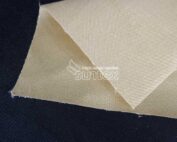
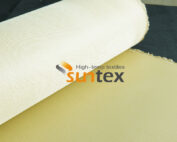
High temperature silica cloth is a specialized fabric made from high-purity amorphous silica fibers that can withstand extreme temperatures. Silica, also known as silicon dioxide, is a naturally occurring mineral found in abundance. It has excellent thermal and chemical resistance properties, which make it ideal for applications that involve high temperatures. The cloth is woven from these silica fibers, creating a flexible and durable material that can be used in a variety of industries.
The manufacturing process of high temperature silica cloth involves spinning the silica fibers into yarns, which are then woven into a fabric. The resulting cloth is lightweight, yet highly resistant to heat, flame, chemicals, and abrasion. It can withstand temperatures ranging from 1000°F (538°C) to 3000°F (1650°C) depending on the specific product. This makes it an excellent choice for applications where conventional fabrics would fail.
High temperature silica cloth is available in various thicknesses and widths to suit different needs. It can be used as a standalone material or combined with other materials to enhance its performance. The cloth can be coated with a variety of finishes to provide additional features such as water repellency or oil resistance. Overall, high temperature silica cloth is a versatile material that offers exceptional heat resistance and durability.

Properties and Characteristics of High Temperature Silica Cloth
High temperature silica cloth exhibits several key properties and characteristics that make it highly desirable for a wide range of applications. These properties include:
1. **High Temperature Resistance**: One of the most significant properties of high temperature silica cloth is its ability to withstand extreme heat. It can handle temperatures up to 3000°F (1650°C) without degrading or melting, making it suitable for applications in the most demanding high-temperature environments.
2. **Excellent Thermal Insulation**: High temperature silica cloth has superb thermal insulation properties, which means it can effectively retain heat and prevent the transfer of heat to surrounding areas. This makes it ideal for applications where heat containment is crucial, such as insulating pipes, boilers, and turbines.
3. **Chemical Resistance**: Silica cloth is highly resistant to most chemicals, including acids, alkalis, and solvents. This resistance makes it an excellent choice for applications where exposure to corrosive chemicals is expected.
4. **Low Thermal Conductivity**: Silica cloth has low thermal conductivity, which means it does not readily transfer heat. This property makes it useful for applications that require insulation or protection against heat transfer, such as fire blankets or welding curtains.
5. **Flexibility and Durability**: Despite its high-temperature resistance, high temperature silica cloth remains flexible and easy to handle. It can be easily cut, sewn, or shaped to fit various applications. Additionally, it is highly durable and can withstand repeated use without losing its integrity.
6. **Electrical Insulation**: Silica cloth has excellent electrical insulation properties, making it suitable for applications that require protection against electrical currents or arcing.
Applications of High Temperature Silica Cloth
High temperature silica cloth finds applications in a wide range of industries due to its exceptional heat resistance and other beneficial properties. Some of the common applications of high temperature silica cloth include:
1. **Fire Protection**: Silica cloth is widely used in fire protection and firefighting equipment. It can be used to manufacture fire blankets, welding curtains, and fireproof clothing. Its ability to withstand high temperatures and provide thermal insulation makes it an essential material for firefighters and workers in high-risk environments.
2. **Insulation**: High temperature silica cloth is used for thermal insulation in various applications. It is commonly used to insulate pipes, boilers, furnaces, and industrial equipment. Its excellent thermal insulation properties help to maintain temperature stability and reduce energy consumption.
3. **Welding and Foundry**: Silica cloth is a popular choice for welding blankets and curtains as it provides protection against sparks, spatter, and heat generated during welding operations. It is also used in foundries to create barriers that prevent molten metal splash and provide insulation for molds and crucibles.
4. **Aerospace and Automotive**: High temperature silica cloth is used in the aerospace and automotive industries for applications such as thermal barriers, heat shields, and exhaust insulation. Its ability to withstand high temperatures and provide thermal insulation helps protect critical components and enhance overall safety.
5. **Industrial and Manufacturing**: Silica cloth finds applications in various industrial and manufacturing processes. It is used as insulation in kilns, ovens, and furnaces. It can also be used as gaskets, seals, and thermal barriers in high-temperature machinery and equipment.
6. **Personal Protective Equipment**: Silica cloth is used to manufacture personal protective equipment (PPE) such as heat-resistant gloves, aprons, and suits. These PPE items are essential for workers in industries that involve exposure to high temperatures, flames, or sparks.
These are just a few examples of the numerous applications of high temperature silica cloth. Its versatility and heat resistance make it an invaluable material in many industries where protection against extreme temperatures is required.

Benefits of Using High Temperature Silica Cloth
The use of high temperature silica cloth offers several advantages over conventional materials. Some of the key benefits include:
1. **Heat Resistance**: High temperature silica cloth can withstand extreme temperatures without degradation or melting. This makes it a reliable choice for applications where conventional materials would fail or be unsafe to use.
2. **Thermal Insulation**: Silica cloth provides excellent thermal insulation, allowing for better heat containment and energy efficiency. It helps to reduce heat loss or transfer, resulting in lower energy consumption and improved process efficiency.
3. **Fire Protection**: Silica cloth is highly fire-resistant, making it an effective material for fire protection applications. It can withstand direct exposure to flames and sparks, providing valuable time for evacuation or fire suppression.
4. **Chemical Resistance**: High temperature silica cloth is resistant to a wide range of chemicals, including acids, alkalis, and solvents. This resistance makes it suitable for applications where exposure to corrosive substances is expected.
5. **Flexibility and Durability**: Silica cloth remains flexible and easy to handle even at high temperatures. It can be easily cut, sewn, or shaped to fit different applications. Additionally, it is highly durable and can withstand repeated use without losing its integrity.
6. **Electrical Insulation**: Silica cloth provides excellent electrical insulation properties, making it suitable for applications that require protection against electrical currents or arcing.
7. **Versatility**: High temperature silica cloth can be used in a wide range of applications across various industries, making it a versatile material. Its ability to withstand extreme temperatures, provide thermal insulation, and resist chemicals makes it an invaluable asset in many sectors.
These benefits make high temperature silica cloth a preferred choice over other materials when it comes to applications involving extreme heat, fire protection, and thermal insulation. It provides a reliable and cost-effective solution that enhances safety and efficiency in various industries.

Factors to Consider When Selecting High Temperature Silica Cloth
When selecting high temperature silica cloth for a specific application, several factors should be taken into consideration. These factors will help ensure that the chosen cloth meets the requirements and performs optimally. Some important factors to consider include:
1. **Temperature Range**: Determine the maximum temperature the cloth needs to withstand in the application. Different types of high temperature silica cloth have varying temperature ranges, so it’s essential to select a cloth that can handle the specific heat requirements.
2. **Thickness and Weight**: Consider the required thickness and weight of the cloth. Thicker cloth provides better insulation but may be less flexible. It’s important to strike a balance between thermal performance and practicality for the application.
3. **Width and Length**: Determine the required width and length of the cloth based on the specific application. Consider the dimensions of the equipment or area that needs to be covered to ensure adequate coverage.
4. **Coating and Finish**: Decide if any additional coatings or finishes are needed for the cloth. Coatings can provide additional features such as water repellency or oil resistance, depending on the requirements of the application.
5. **Compatibility**: Ensure that the selected cloth is compatible with other materials or components in the application. Compatibility is crucial to avoid any adverse reactions or performance issues.
6. **Certifications and Standards**: Check if the high temperature silica cloth meets any industry-specific certifications or standards. Compliance with relevant standards ensures that the cloth has been tested and proven to meet specific performance requirements.
By considering these factors, you can select the most suitable high temperature silica cloth for your application, ensuring optimal performance and longevity.
How to Properly Use and Maintain High Temperature Silica Cloth
To maximize the benefits and lifespan of high temperature silica cloth, proper use and maintenance are essential. Here are some guidelines to ensure optimal performance:
1. **Installation**: Follow the manufacturer’s guidelines for installing the cloth. Proper installation techniques can ensure a secure and effective fit, providing the desired insulation or protection.
2. **Handling**: Handle the cloth with care to avoid damage. Avoid dragging or pulling the cloth across rough or sharp surfaces, as this can cause tears or abrasions.
3. **Cleaning**: Regularly clean the cloth to remove dirt, dust, or contaminants. Use a soft brush or vacuum cleaner to remove loose particles. For more stubborn stains, follow the manufacturer’s instructions for cleaning.
4. **Storage**: Store the cloth in a clean and dry area away from direct sunlight or extreme temperatures. Avoid folding or creasing the cloth excessively, as this can weaken the fibers.
5. **Inspection**: Periodically inspect the cloth for signs of wear, tear, or damage. Replace any damaged sections or the entire cloth if necessary. Regular inspections help identify potential issues before they lead to failure or compromised performance.
6. **Proper Use**: Follow the manufacturer’s recommendations for the correct use of the cloth. Avoid exceeding the maximum temperature limits or subjecting the cloth to conditions beyond its intended use.
By following these guidelines, you can ensure that high temperature silica cloth performs optimally and maintains its integrity over time.
Comparison of High Temperature Silica Cloth with Other Heat-Resistant Materials
High temperature silica cloth is just one of many heat-resistant materials available on the market. To make an informed decision, it’s essential to understand how silica cloth compares to other options. Here is a comparison with some common heat-resistant materials:
1. **Fiberglass Cloth**: Fiberglass cloth is another popular choice for heat-resistant applications. While it offers good thermal insulation and resistance to heat, it is not as resistant to chemicals as high temperature silica cloth. Silica cloth also has higher temperature resistance compared to fiberglass cloth.
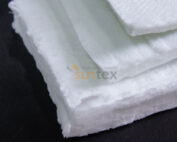
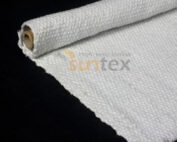
2. **Ceramic Fiber Cloth**: Ceramic fiber cloth is known for its excellent thermal insulation properties. It can withstand high temperatures and provides effective heat containment. However, ceramic fiber cloth is more brittle and less flexible compared to high temperature silica cloth.
3. **Aramid Cloth**: Aramid cloth, commonly known as Kevlar, is renowned for its strength and heat resistance. It is widely used in applications that require high tensile strength and protection against flames. However, aramid cloth has lower temperature resistance compared to high temperature silica cloth.
4. **PTFE Coated Cloth**: PTFE coated cloth, also known as Teflon, offers excellent chemical resistance and non-stick properties. It is suitable for applications that involve exposure to corrosive chemicals or require easy release of materials. However, PTFE coated cloth has lower temperature resistance compared to high temperature silica cloth.
When comparing heat-resistant materials, it’s essential to consider the specific requirements and constraints of the application. Each material has its unique properties and advantages, and the choice depends on factors such as temperature range, chemical exposure, flexibility, and durability.
Contact Details
Suntex Composite Industrial Co., Ltd.
Contact Person: Mr. Jason Hu
Tel: +86 132 0712 7986

Send your inquiry directly to us
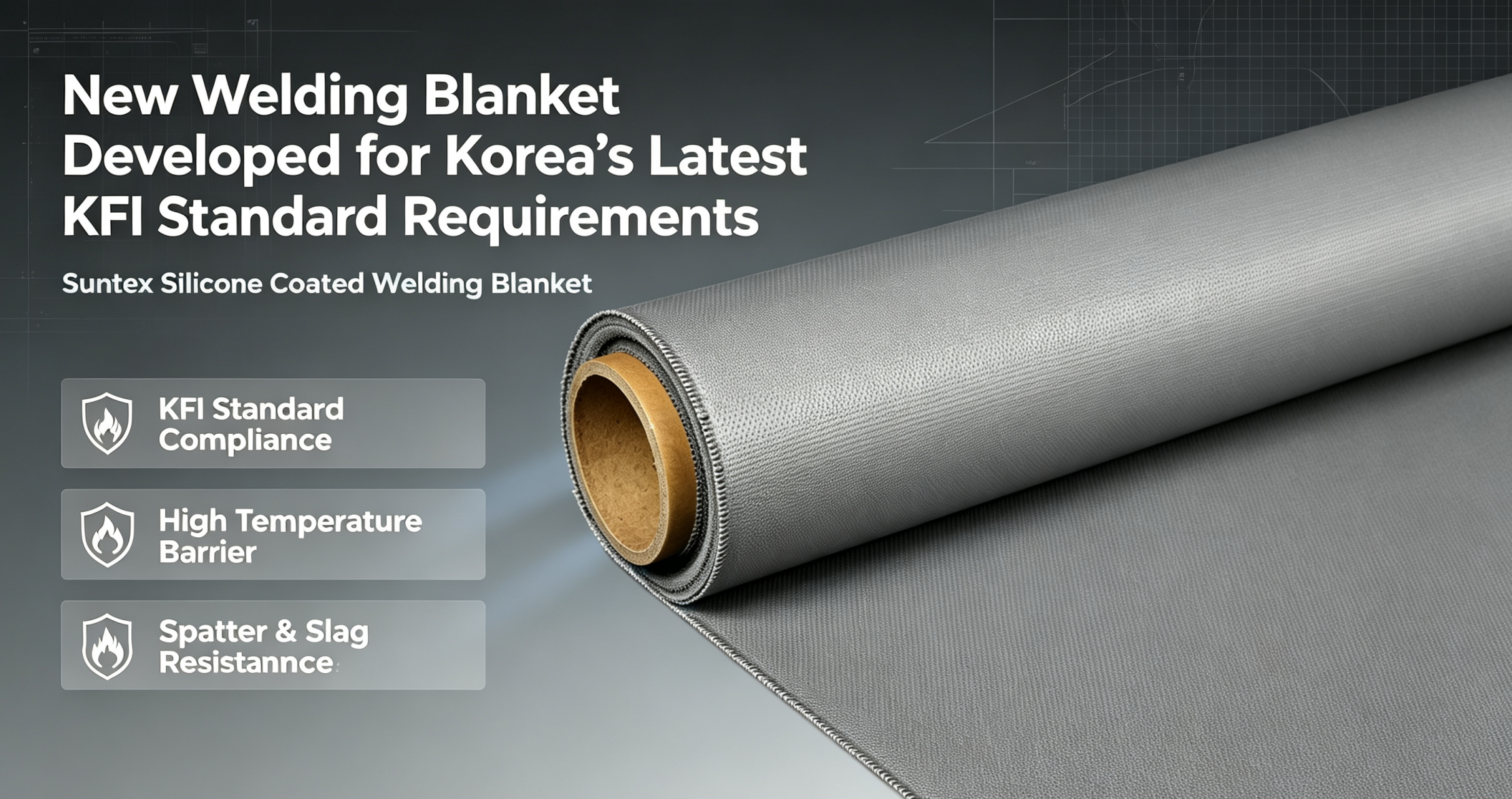
New Welding Blanket Developed for Korea’s Latest KFI Standard Requirements Suntex launches upgraded grey silicone-coated fiberglass welding blankets fully compliant with Korea’s latest KFI fire safety standards for hot work. Made of premium grey silicone coated fiberglass rolls, our blankets deliver reliable protection against welding sparks, molten slag, and high heat for welding, cutting, and […]
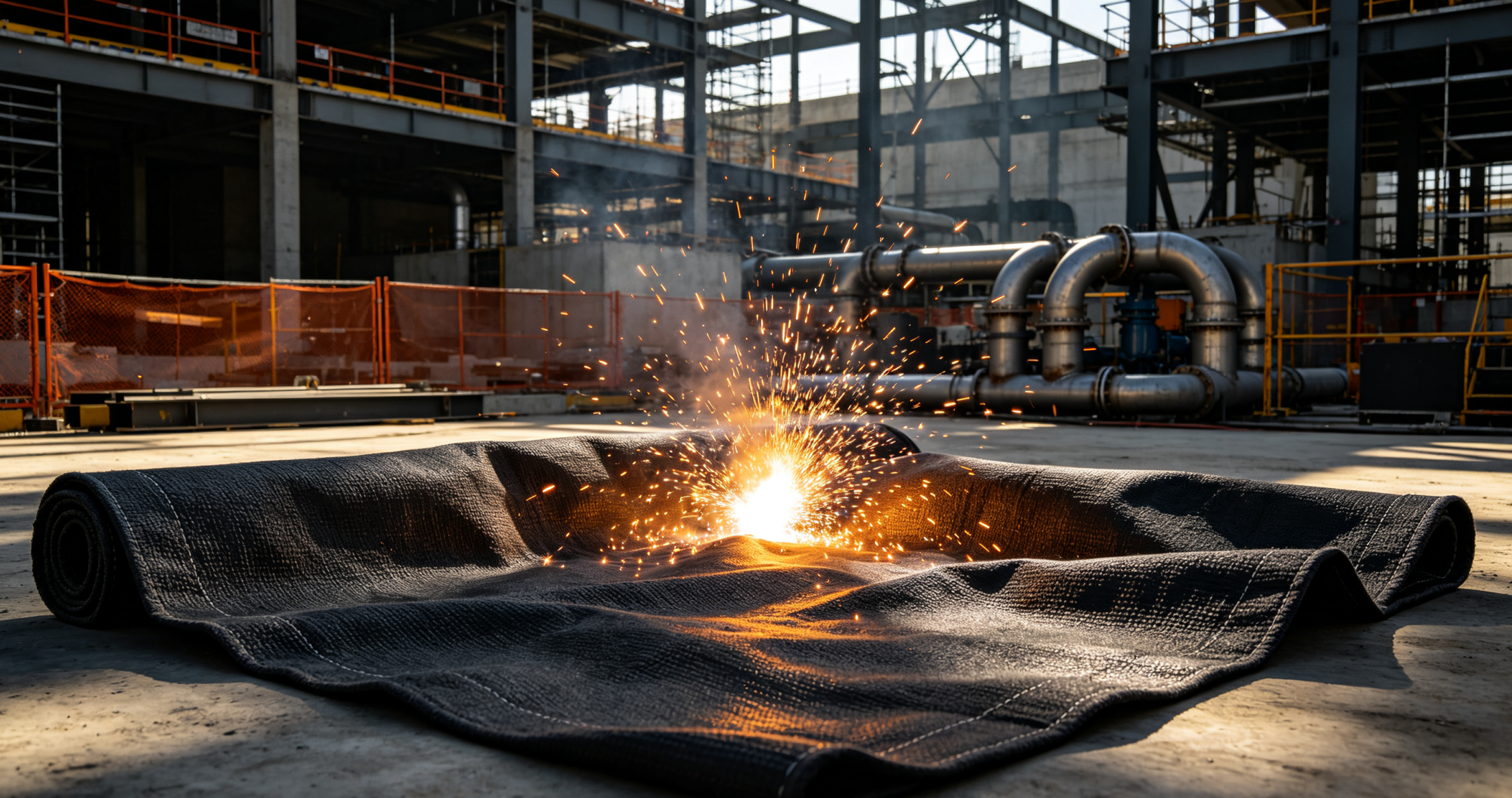
In the high-stakes environment of Japanese automotive manufacturing and precision machining, “good enough” is never enough. When a single stray spark can lead to costly downtime or compromise the integrity of automated assembly lines, the quality of your protective gear is a direct reflection of your operational safety standards. For facilities prioritizing fire prevention and […]
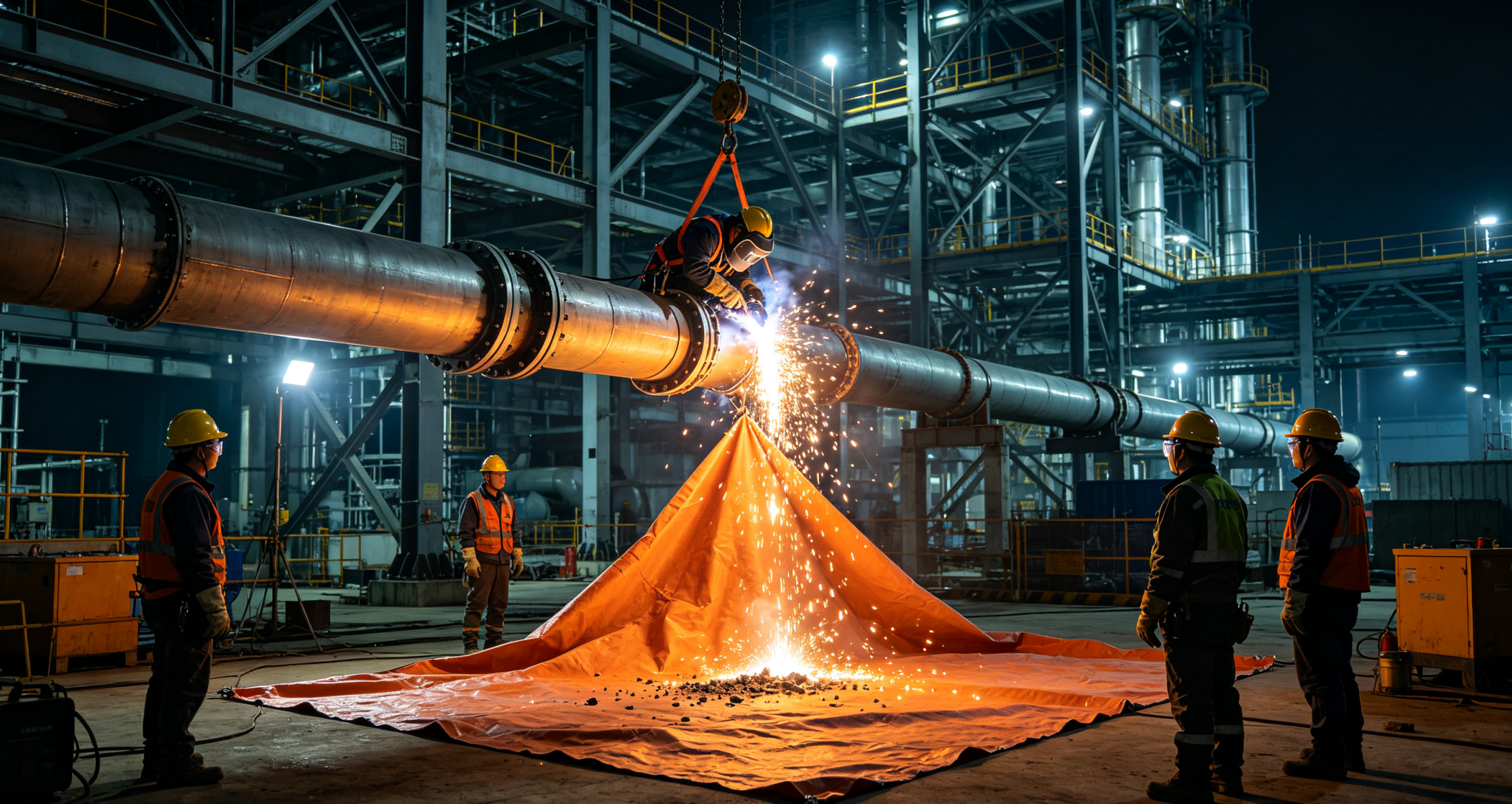
Welding sparks trigger most construction site fires. Even standardized operating procedures carry hidden risks if low-performance flame-retardant fabrics are used. Recent frequent construction fires sound alarms for hot work safety. Most welding-caused blazes stem from inadequate high-temperature slag shielding and substandard fire-resistant materials, rather than improper operation alone. Welding arcs hit over 6,000°C, with flying […]
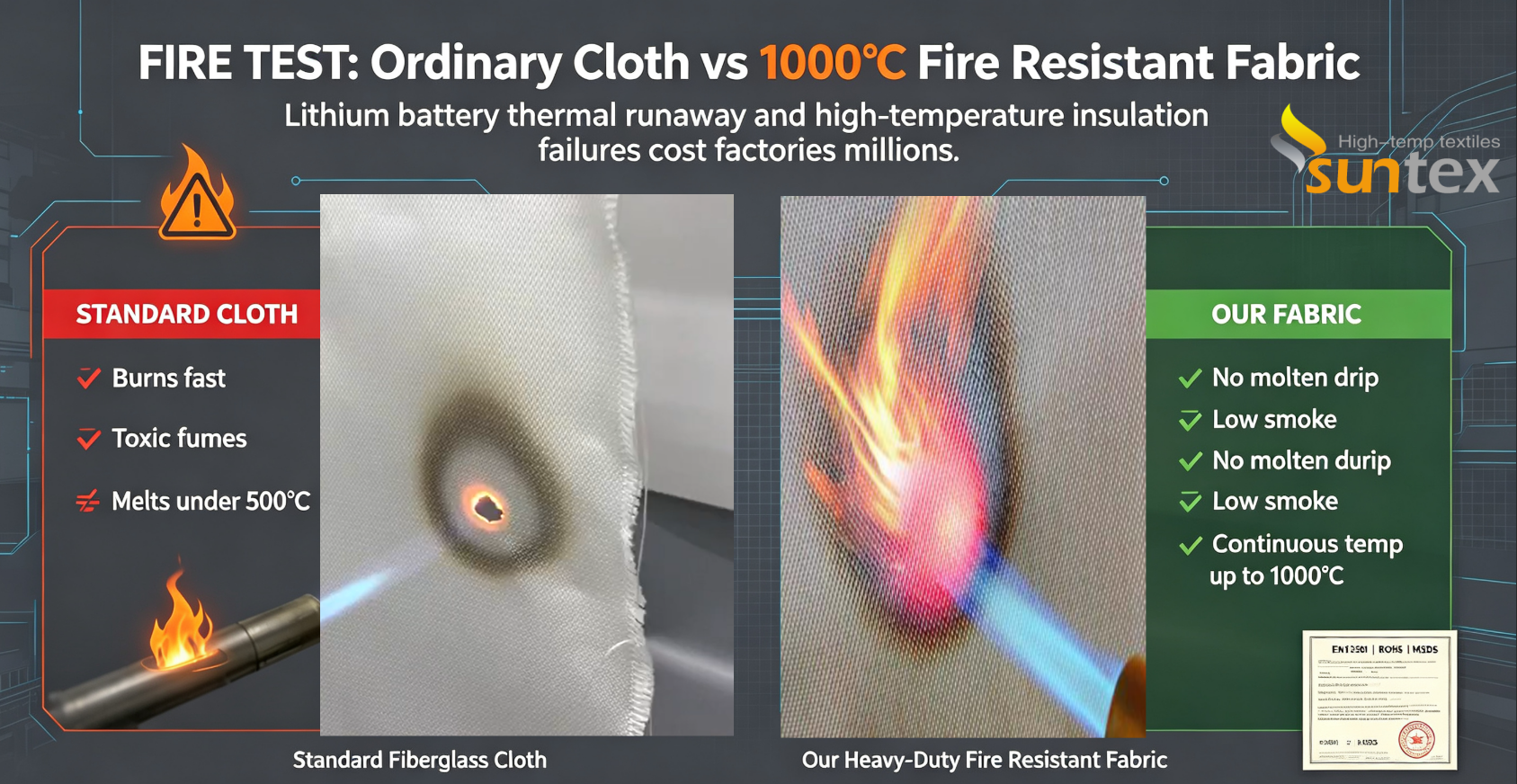
The Hidden Cost of Inferior Thermal Insulation Lithium battery thermal runaway and industrial high-temperature insulation failures frequently trigger factory fires, unplanned shutdowns and massive economic losses. Most of these accidents stem from low-performance standard insulation materials, rather than major equipment faults. Substandard fiberglass cloth fails under high heat, accelerating fire spread and causing costly industrial […]


 English
 Arabic
 Dutch
Dutch French
 German
 Italian
 Polish
 Portuguese
 Russian
 Spanish