

Welcome to the ultimate guide on high temperature woven fabric! If you’re looking to unlock the secrets behind this remarkable material, you’ve come to the right place. Whether you’re a professional in the textile industry or simply curious about the science and applications of high temperature woven fabric, this guide will provide you with all the information you need. From understanding the unique properties of this fabric to exploring its various uses in industries such as aerospace, automotive, and firefighting, we will delve into every aspect of high temperature woven fabric. Furthermore, we will explore the manufacturing process, the different types of fibers used, and the factors to consider when selecting the right fabric for your specific needs. So, get ready to embark on a fascinating journey and discover the incredible capabilities of high temperature woven fabric!
Properties and characteristics of high temperature woven fabric
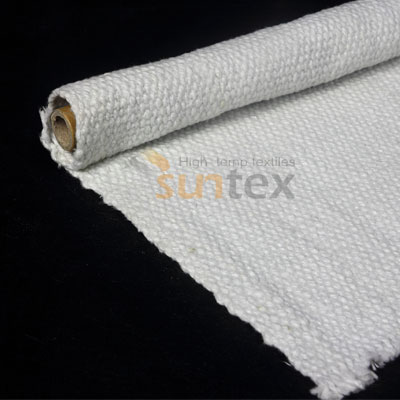
High temperature woven fabric possesses a range of properties and characteristics that make it a truly exceptional material. Firstly, it exhibits excellent heat resistance, allowing it to withstand extreme temperatures without losing its structural integrity. This makes it particularly suitable for applications in industries where exposure to high heat is a common occurrence, such as aerospace, automotive, and industrial manufacturing. Additionally, high temperature woven fabric is known for its exceptional strength and durability, ensuring that it can withstand the rigors of demanding environments.
One of the key characteristics of high temperature woven fabric is its ability to maintain its dimensional stability even at high temperatures. This means that it does not shrink or deform when exposed to heat, making it an ideal choice for applications that require precise measurements and tight tolerances. Furthermore, high temperature woven fabric has low thermal conductivity, meaning it does not readily transfer heat. This property not only provides insulation but also reduces the risk of heat-related injuries in industries where workers are exposed to high temperatures.
Another important property of high temperature woven fabric is its resistance to chemicals and abrasion. It can withstand exposure to a wide range of chemicals, including acids, alkalis, and solvents, without deteriorating or losing its properties. This makes it a suitable choice for industries that require materials capable of withstanding harsh chemical environments. Additionally, high temperature woven fabric is highly resistant to abrasion, ensuring its longevity and performance even in applications where it is subjected to frequent contact with abrasive surfaces.
In summary, high temperature woven fabric possesses exceptional heat resistance, strength, dimensional stability, low thermal conductivity, and resistance to chemicals and abrasion. These properties make it an invaluable material in a wide range of industries.

Applications of high temperature woven fabric
The versatility of high temperature woven fabric lends itself to numerous applications across various industries. Let’s explore some of the most common uses of this remarkable material.
In the aerospace industry, high temperature woven fabric finds applications in the manufacturing of aircraft components, such as engine parts, insulation materials, and protective covers. The exceptional heat resistance and strength of high temperature woven fabric make it an ideal choice for these applications, ensuring the safety and reliability of aircraft in extreme operating conditions.
In the automotive industry, high temperature woven fabric is utilized in the production of exhaust system components, heat shields, and thermal insulation materials. The ability of high temperature woven fabric to withstand high temperatures and its excellent thermal insulation properties make it invaluable in protecting sensitive components and reducing heat transfer in vehicles.
Another significant application of high temperature woven fabric is in the field of firefighting. Firefighters rely on personal protective equipment (PPE) made from high temperature woven fabric to shield themselves from extreme heat and flames. The heat resistance, strength, and abrasion resistance of this fabric ensure that firefighters can operate in hazardous environments with confidence and safety.
Apart from these industries, high temperature woven fabric is also used in the manufacturing of industrial equipment, such as furnace linings, insulation blankets, and gaskets. It finds applications in the production of protective clothing for workers in high-temperature environments, such as foundries and steel mills. Additionally, high temperature woven fabric is utilized in the construction of thermal insulation materials for buildings and homes, improving energy efficiency and reducing heat loss.
With its exceptional properties, high temperature woven fabric continues to find new applications and is constantly pushing the boundaries of what is possible in various industries.
Manufacturing process of high temperature woven fabric
The manufacturing process of high temperature woven fabric involves several steps to ensure its quality and performance. Let’s take a closer look at the key stages involved in creating this remarkable material.
The process begins with the selection of high-quality fibers that can withstand high temperatures. Fibers commonly used in the production of high temperature woven fabric include ceramic fibers, silica fibers, and aramid fibers. These fibers are known for their exceptional heat resistance and strength, making them ideal for applications in high-temperature environments.
Once the fibers are selected, they are processed to create yarns, which will be used to weave the fabric. This can be done through various methods, such as spinning, twisting, or blending different fibers to achieve the desired properties. The yarns are then subjected to further treatment, such as heat setting or chemical treatments, to enhance their performance and stability.
After the yarns are prepared, they are woven together on specialized looms to create the high temperature woven fabric. The weaving process involves interlacing the horizontal (weft) and vertical (warp) yarns to form a stable and consistent structure. Various weaving patterns can be employed, such as plain weave, twill weave, or satin weave, depending on the desired properties of the fabric.
Once the fabric is woven, it undergoes additional treatments to enhance its performance. This may include processes such as heat treatment, coating, or lamination, depending on the specific requirements of the application. These treatments can further improve the fabric’s heat resistance, chemical resistance, or abrasion resistance, ensuring it meets the demands of various industries.
In summary, the manufacturing process of high temperature woven fabric involves the selection of high-quality fibers, the creation of yarns, the weaving of the fabric, and additional treatments to enhance its performance. Each step is crucial in ensuring the fabric’s exceptional properties and suitability for various applications.

Factors to consider when choosing high temperature woven fabric
When selecting high temperature woven fabric for a specific application, several factors need to be considered to ensure the fabric meets the requirements and performs optimally. Let’s explore some of the key factors to consider when choosing high temperature woven fabric.
One of the primary considerations is the required temperature resistance of the fabric. Different high temperature woven fabrics have different maximum temperature limits, and it is essential to select a fabric that can withstand the expected operating temperature without compromising its properties. Additionally, it is crucial to consider the duration of exposure to high temperatures, as some fabrics may have different performance characteristics over extended periods.
Another important factor to consider is the specific environment in which the fabric will be used. Different industries have unique requirements, and the fabric should be selected accordingly. For example, in the aerospace industry, the fabric may need to meet certain flame retardant standards, while in the automotive industry, resistance to chemicals and abrasion may be more critical. Understanding the specific demands of the environment will help in choosing the right fabric.
The physical properties of the fabric, such as strength, flexibility, and weight, should also be considered. The fabric should possess the necessary strength to withstand the application’s demands, while still allowing for ease of use and flexibility. Additionally, the weight of the fabric can impact its suitability for certain applications, especially when weight reduction is a priority, such as in the aerospace industry.
Cost is another important factor to consider when choosing high temperature woven fabric. The cost will depend on factors such as the type of fiber used, the manufacturing process, and any additional treatments or certifications required. It is essential to strike a balance between cost and performance to ensure the fabric meets the budgetary constraints without compromising on quality.
Lastly, it is crucial to consider the availability and reliability of the fabric supplier. Choosing a reputable supplier with a track record of delivering high-quality products is essential to ensure consistent supply and support.
By considering these factors, one can make an informed decision when selecting high temperature woven fabric, ensuring it meets the specific requirements of the application.


Contact Details
Suntex Composite Industrial Co., Ltd.
Contact Person: Mr. Jason Hu
Tel: +86 132 0712 7986

Send your inquiry directly to us
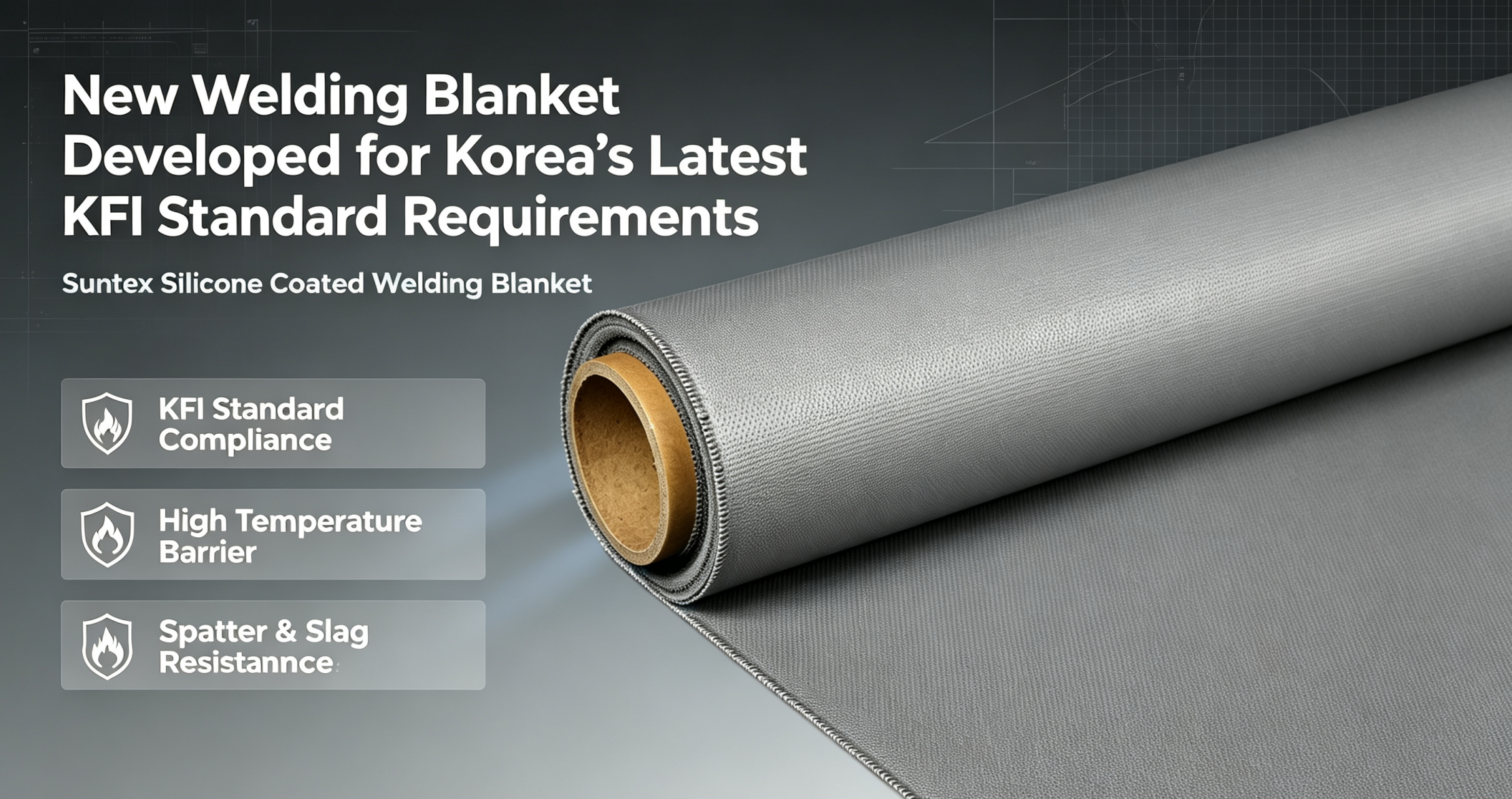
New Welding Blanket Developed for Korea’s Latest KFI Standard Requirements Suntex launches upgraded grey silicone-coated fiberglass welding blankets fully compliant with Korea’s latest KFI fire safety standards for hot work. Made of premium grey silicone coated fiberglass rolls, our blankets deliver reliable protection against welding sparks, molten slag, and high heat for welding, cutting, and […]
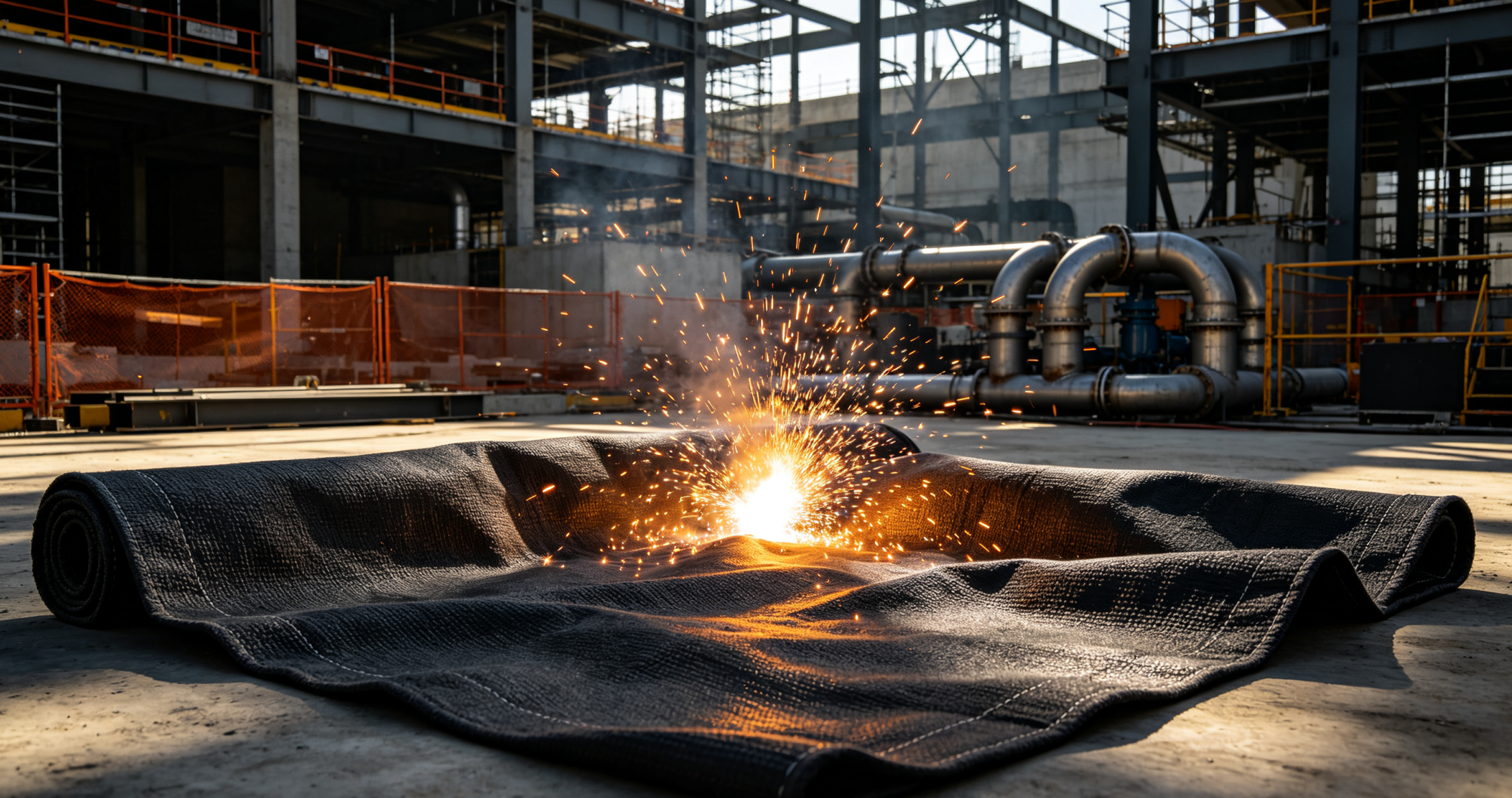
In the high-stakes environment of Japanese automotive manufacturing and precision machining, “good enough” is never enough. When a single stray spark can lead to costly downtime or compromise the integrity of automated assembly lines, the quality of your protective gear is a direct reflection of your operational safety standards. For facilities prioritizing fire prevention and […]
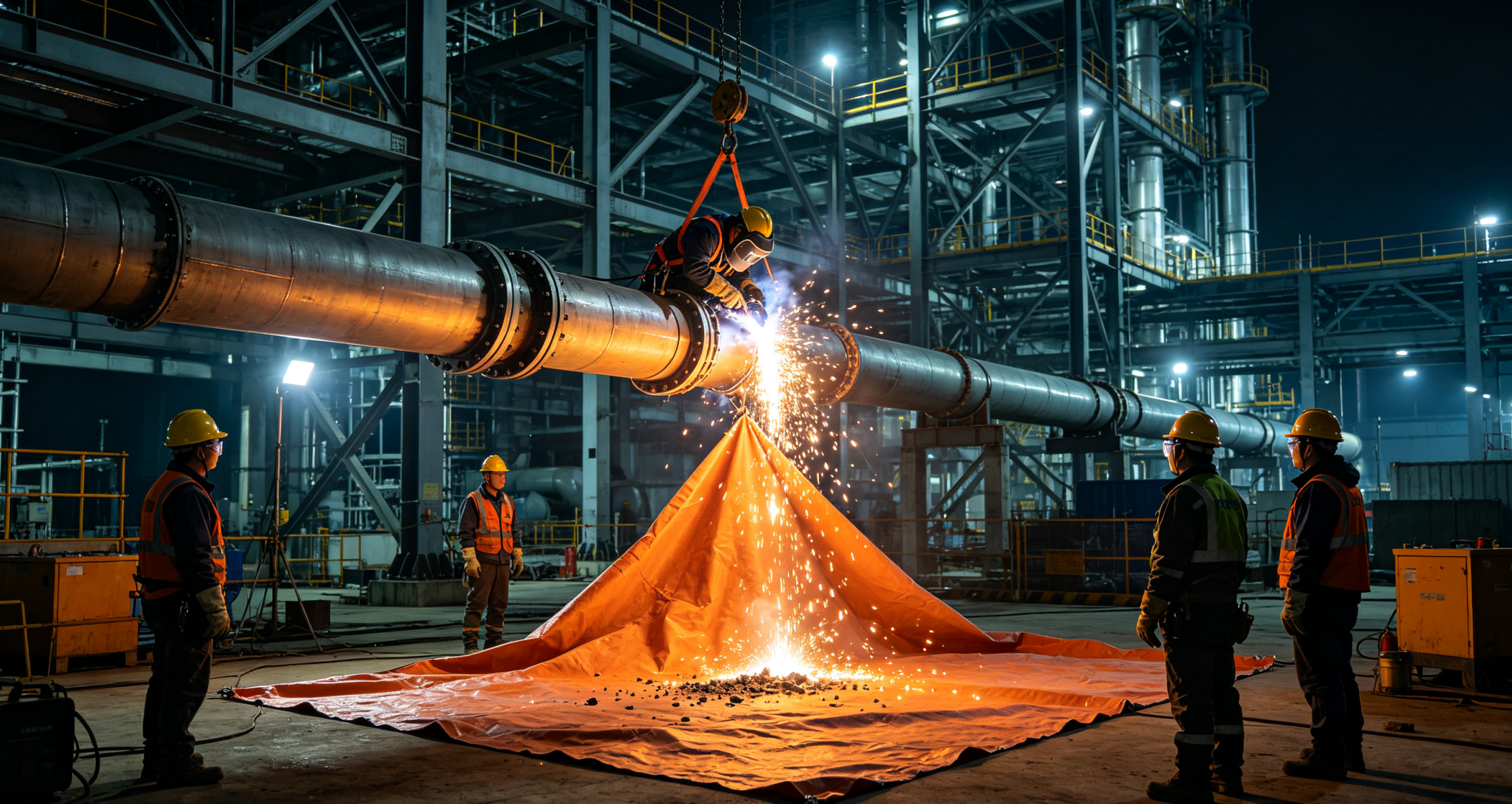
Welding sparks trigger most construction site fires. Even standardized operating procedures carry hidden risks if low-performance flame-retardant fabrics are used. Recent frequent construction fires sound alarms for hot work safety. Most welding-caused blazes stem from inadequate high-temperature slag shielding and substandard fire-resistant materials, rather than improper operation alone. Welding arcs hit over 6,000°C, with flying […]
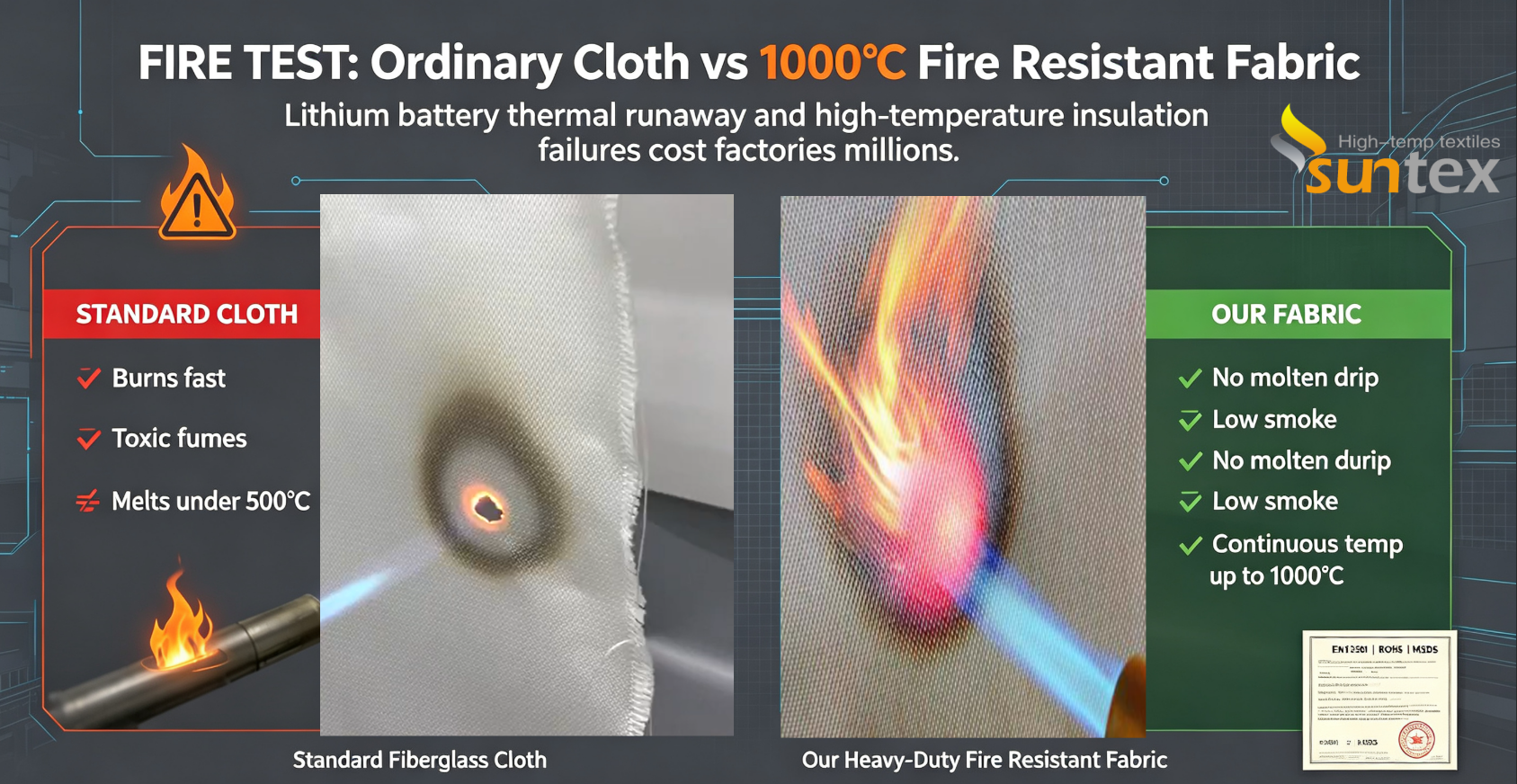
The Hidden Cost of Inferior Thermal Insulation Lithium battery thermal runaway and industrial high-temperature insulation failures frequently trigger factory fires, unplanned shutdowns and massive economic losses. Most of these accidents stem from low-performance standard insulation materials, rather than major equipment faults. Substandard fiberglass cloth fails under high heat, accelerating fire spread and causing costly industrial […]


 English
 Arabic
 Dutch
Dutch French
 German
 Italian
 Polish
 Portuguese
 Russian
 Spanish