

Welcome to a comprehensive guide on high temperature resistant fabric, where we will unveil the secrets behind this incredible material. In today’s world, where industries are constantly pushing the boundaries of innovation, the need for fabrics that can withstand extreme heat has become crucial. Whether it’s in the aerospace, automotive, or manufacturing sectors, the demand for high temperature resistant fabric has skyrocketed. But what makes these fabrics so special? How are they able to withstand such intense heat without compromising their integrity? In this guide, we will explore the science behind high temperature resistant fabrics, their applications, and the cutting-edge technologies used in their production. From fireproofing to thermal insulation, we will delve into the various properties that make these fabrics essential for protecting both human lives and critical equipment. So, join us as we unravel the mysteries surrounding high temperature resistant fabric and discover the incredible possibilities it holds for the future.
Properties and Characteristics of High Temperature Resistant Fabric
High temperature resistant fabrics possess a unique set of properties and characteristics that enable them to withstand extreme heat. One of the key attributes of these fabrics is their ability to resist burning or melting when exposed to high temperatures. This is achieved through the use of specialized fibers and coatings that can withstand heat up to [INSERT TEMPERATURE]. Additionally, high temperature resistant fabrics are known for their excellent thermal insulation properties, allowing them to retain heat or cold as required. The fabrics also exhibit high strength and durability, ensuring they can withstand the rigors of various industrial applications.
The secret behind the high temperature resistance of these fabrics lies in their composition. They are typically made from a combination of synthetic fibers such as aramid, fiberglass, and carbon fiber, which have inherent heat-resistant properties. These fibers are woven or knitted together using advanced techniques to create a fabric structure that can withstand high temperatures. To further enhance their resistance, high temperature resistant fabrics are often treated with specialized coatings or finishes that provide additional protection against heat, flame, and chemical exposure. These coatings not only improve the fabric’s resistance to heat, but also make it more durable and resistant to wear and tear.
In addition to their heat resistance, high temperature resistant fabrics also offer other valuable properties. They are typically lightweight and flexible, allowing for ease of use and installation in various applications. The fabrics are also known for their low thermal conductivity, which means they can effectively insulate against heat transfer. This makes them ideal for applications where thermal insulation is critical, such as in the construction of fire-resistant barriers or protective clothing for firefighters. Furthermore, high temperature resistant fabrics often exhibit good resistance to abrasion, chemicals, and UV radiation, making them suitable for use in harsh environments.
Overall, the properties and characteristics of high temperature resistant fabric make it an indispensable material in industries where heat resistance is paramount. From protecting workers in high-temperature environments to safeguarding critical equipment, these fabrics play a vital role in ensuring safety and productivity.

Types of High Temperature Resistant Fabrics
High temperature resistant fabrics come in a variety of types, each designed to meet specific requirements and applications. One of the most common types is aramid fabric, which is made from synthetic fibers known for their exceptional heat resistance and strength. Aramid fabrics, such as Nomex and Kevlar, are widely used in protective clothing for firefighters, military personnel, and industrial workers exposed to high-temperature hazards. These fabrics offer excellent flame resistance, thermal insulation, and resistance to chemicals.
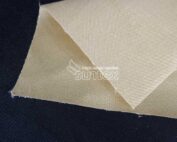
Another type of high temperature resistant fabric is fiberglass fabric, which is made from woven glass fibers. Fiberglass fabrics are known for their excellent thermal insulation properties and resistance to heat, fire, and chemicals. They are commonly used in applications such as insulation jackets, welding blankets, and heat shields. Fiberglass fabrics are also used in the construction of fire-resistant curtains, gaskets, and seals.
Carbon fiber fabric is another type of high temperature resistant fabric that offers exceptional heat resistance, strength, and lightweight properties. Carbon fiber fabrics are commonly used in the aerospace and automotive industries, where high-performance materials are required. These fabrics are utilized in the construction of aircraft and automotive components, such as fuselage panels, engine parts, and body panels, to provide heat resistance and structural reinforcement.
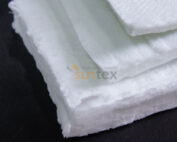
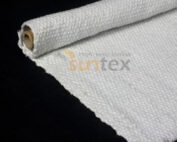
Other types of high temperature resistant fabrics include silicone-coated fabric, ceramic fiber fabric, and aluminized fabric. Silicone-coated fabric offers excellent heat resistance, flexibility, and durability, making it suitable for applications such as expansion joints, gaskets, and insulation covers. Ceramic fiber fabric is known for its high-temperature insulation properties and is used in applications such as furnace linings, kiln insulation, and thermal barriers. Aluminized fabric is made from a base fabric coated with a layer of aluminum, providing excellent heat reflection and protection against radiant heat.
Factors to Consider When Choosing High Temperature Resistant Fabric
When selecting high temperature resistant fabric for a specific application, several factors should be taken into consideration to ensure optimal performance and safety. One of the key factors is the maximum temperature the fabric will be exposed to. Different fabrics have different temperature limits, and it is important to choose a fabric that can withstand the expected temperature range without compromising its integrity. It is also essential to consider the duration of exposure to high temperatures, as some fabrics may degrade over time when exposed to prolonged heat.
Another factor to consider is the specific requirements of the application. For example, if the fabric will be used in a highly abrasive environment, it is important to choose a fabric that offers excellent resistance to abrasion. Similarly, if the fabric will be exposed to chemicals or corrosive substances, it should have good chemical resistance properties. Additionally, factors such as flexibility, weight, and ease of installation should be considered based on the specific application requirements.
Industry standards and certifications are also important factors to consider when choosing high temperature resistant fabric. Look for fabrics that meet relevant industry standards and certifications, such as those set by organizations like the National Fire Protection Association (NFPA) or the American Society for Testing and Materials (ASTM). These standards ensure that the fabric has undergone rigorous testing to verify its performance and safety characteristics.

Care and Maintenance of High Temperature Resistant Fabric
To ensure the longevity and effectiveness of high temperature resistant fabric, proper care and maintenance are essential. Regular cleaning is necessary to remove dirt, debris, and contaminants that can compromise the fabric’s performance. The cleaning method will depend on the specific fabric and its coatings or finishes. It is recommended to follow the manufacturer’s instructions for cleaning and maintenance.
In general, high temperature resistant fabrics should be cleaned using mild detergents and warm water. Avoid using harsh chemicals or abrasive cleaners that can damage the fabric or its protective coatings. Gently scrub the fabric using a soft brush or sponge, focusing on any areas that are particularly dirty. Rinse thoroughly with clean water and allow the fabric to air dry completely before storing or reusing.
It is important to avoid exposing high temperature resistant fabric to excessive heat or open flames during the cleaning and drying process. Additionally, ensure that the fabric is stored in a clean, dry environment away from direct sunlight and moisture. Proper storage will help prevent the growth of mold or mildew and maintain the fabric’s integrity.
Regular inspection of high temperature resistant fabric is also recommended to identify any signs of wear, damage, or degradation. Look for frayed edges, tears, or discoloration that may indicate the need for repair or replacement. Promptly address any issues to prevent further damage and ensure the fabric continues to provide the desired level of heat resistance and protection.

Industry Standards and Certifications for High Temperature Resistant Fabric
High temperature resistant fabric is subject to various industry standards and certifications that ensure its performance, safety, and compliance with specific requirements. These standards and certifications are set by organizations such as the National Fire Protection Association (NFPA), the American Society for Testing and Materials (ASTM), and the International Organization for Standardization (ISO).
One of the most widely recognized standards for high temperature resistant fabric is the NFPA 2112 standard. This standard specifies the minimum requirements for flame-resistant garments used by industrial personnel exposed to flash fires. Fabrics that meet the NFPA 2112 standard have undergone rigorous testing to verify their flame resistance and thermal protection properties. Similarly, the ASTM F1930 standard provides guidelines for evaluating the heat and flame resistance of materials used in protective clothing.
In addition to these standards, there are certifications specific to certain industries or applications. For example, fabrics used in the aerospace industry may need to meet the requirements of standards such as the Federal Aviation Administration (FAA) regulations or the European Aviation Safety Agency (EASA) standards. Similarly, fabrics used in the automotive industry may need to comply with standards set by organizations such as the Society of Automotive Engineers (SAE).
When selecting high temperature resistant fabric, it is important to ensure that it meets the relevant industry standards and certifications for the intended application. This ensures that the fabric has undergone proper testing and evaluation to demonstrate its performance, safety, and compliance with industry requirements.

Case Studies: Real-Life Examples of High Temperature Resistant Fabric in Action
To better understand the practical applications and benefits of high temperature resistant fabric, let’s explore some real-life case studies showcasing its effectiveness in various industries.
Case Study 1: Aerospace Industry – Thermal Protection Systems
In the aerospace industry, high temperature resistant fabric is used extensively in the construction of thermal protection systems for spacecraft. One such example is the Space Shuttle Thermal Protection System (TPS), which utilized high temperature resistant fabric in the form of thermal blankets and heat shields. These fabric-based systems provided crucial protection against the extreme heat generated during atmospheric re-entry, ensuring the safety of the astronauts and the integrity of the spacecraft.
Case Study 2: Automotive Industry – Heat Shields and Insulation
In the automotive industry, high temperature resistant fabric is used in the manufacturing of heat shields and engine compartment insulation. For example, heat shields made from high temperature resistant fabric are installed around the exhaust system to reduce heat transfer to sensitive components and improve overall vehicle performance. Engine compartment insulation made from these fabrics helps to maintain optimal operating temperatures and protect critical engine components from thermal damage.
Case Study 3: Manufacturing Industry – Protective Barriers and Insulation
In the manufacturing industry, high temperature resistant fabric is used to create protective barriers and insulation in high-temperature processes. For instance, in metal forging operations, fabric-based barriers are used to shield workers and equipment from the intense heat and molten metal splatter. Similarly, in glass manufacturing, fabric-based insulation blankets are used to retain heat in furnaces, ensuring efficient melting and forming processes.
These case studies highlight just a few examples of how high temperature resistant fabric is utilized in real-life scenarios to provide crucial heat resistance and protection. The versatility and effectiveness of these fabrics make them indispensable in industries where extreme heat is a constant challenge.
Conclusion: The Future of High Temperature Resistant Fabric
In conclusion, high temperature resistant fabric plays a vital role in industries where extreme heat is a constant challenge. From aerospace to automotive, manufacturing to firefighting, these fabrics provide essential heat resistance and protection. The unique properties and characteristics of high temperature resistant fabric, such as flame resistance, thermal insulation, and durability, make it an indispensable material in various applications.
As technology continues to advance, the future of high temperature resistant fabric looks promising. Ongoing research and development efforts are focused on improving fabric performance, expanding the range of applications, and finding innovative solutions to meet the evolving needs of industries. From the development of new fiber materials to the integration of smart technologies, the possibilities for
Contact Details
Suntex Composite Industrial Co., Ltd.
Contact Person: Mr. Jason Hu
Tel: +86 132 0712 7986

Send your inquiry directly to us
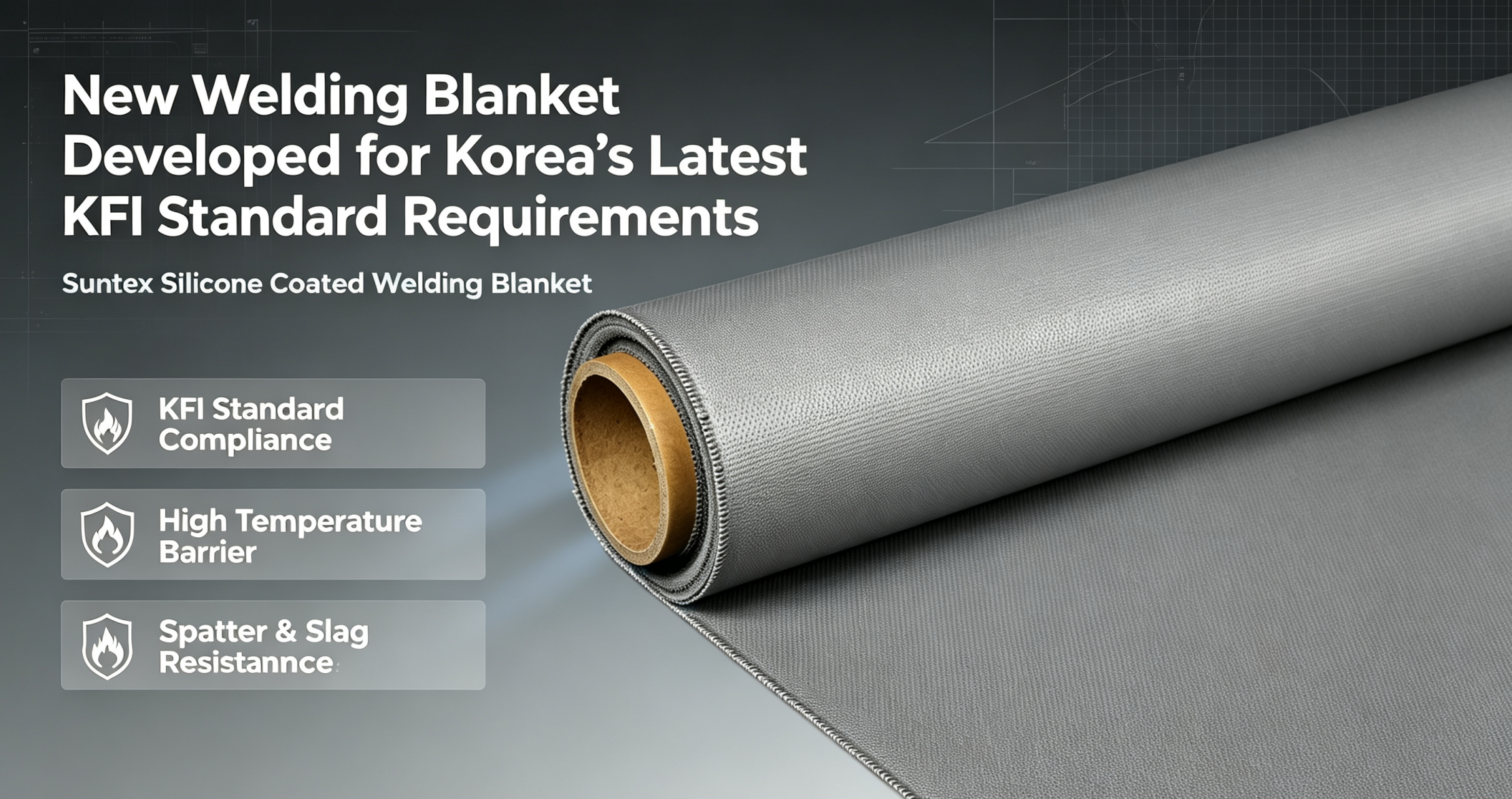
New Welding Blanket Developed for Korea’s Latest KFI Standard Requirements Suntex launches upgraded grey silicone-coated fiberglass welding blankets fully compliant with Korea’s latest KFI fire safety standards for hot work. Made of premium grey silicone coated fiberglass rolls, our blankets deliver reliable protection against welding sparks, molten slag, and high heat for welding, cutting, and […]
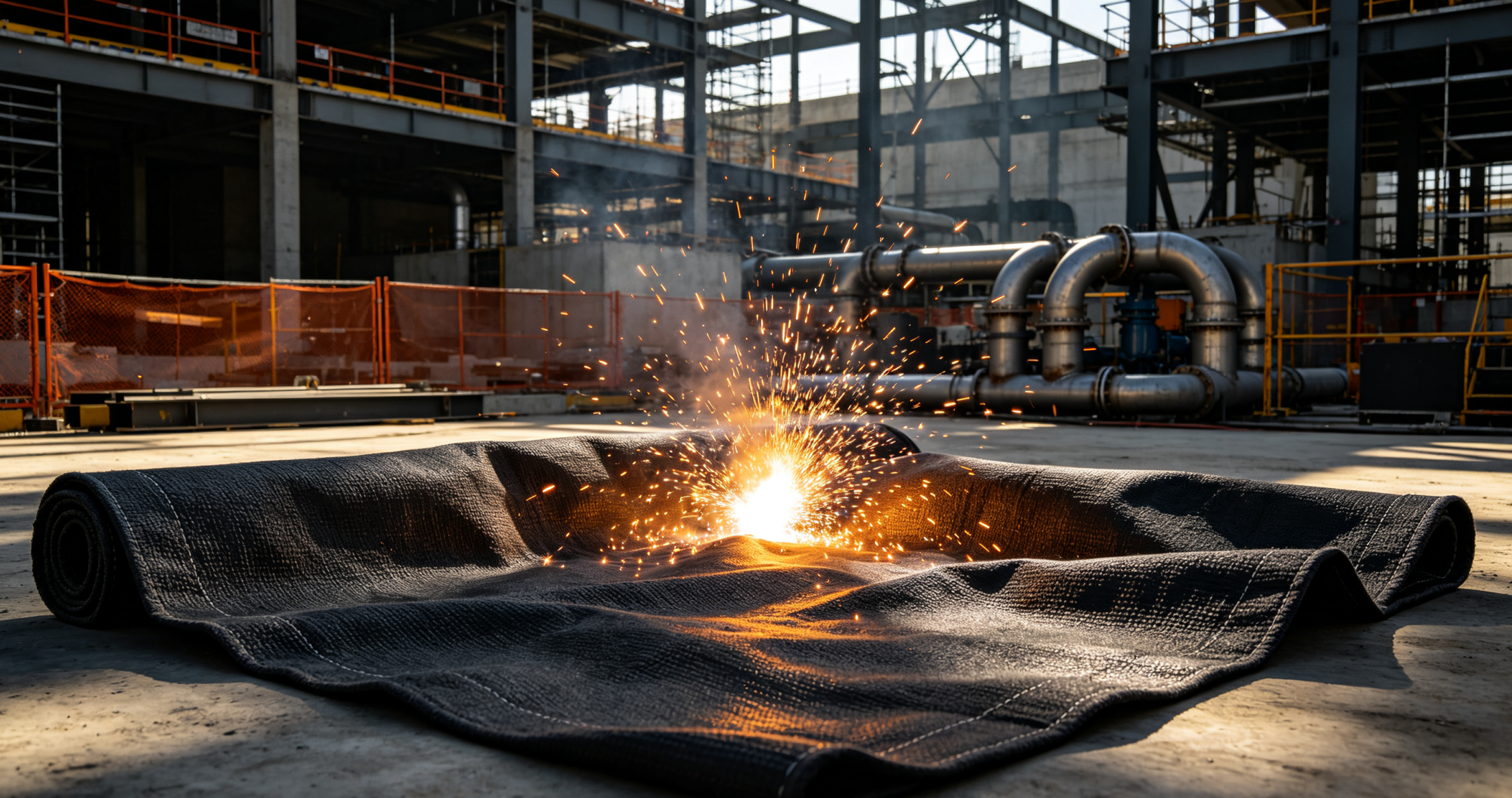
In the high-stakes environment of Japanese automotive manufacturing and precision machining, “good enough” is never enough. When a single stray spark can lead to costly downtime or compromise the integrity of automated assembly lines, the quality of your protective gear is a direct reflection of your operational safety standards. For facilities prioritizing fire prevention and […]
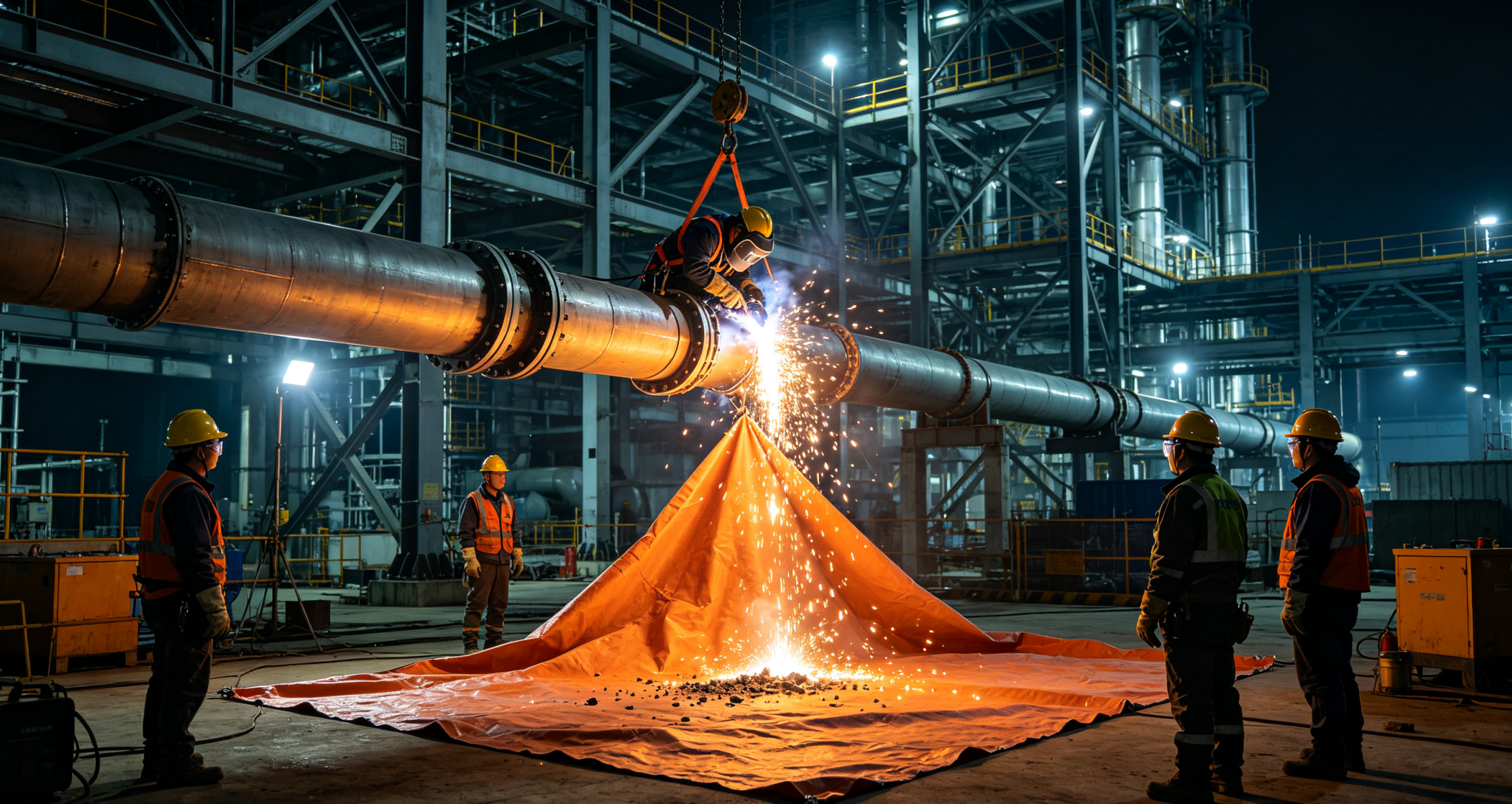
Welding sparks trigger most construction site fires. Even standardized operating procedures carry hidden risks if low-performance flame-retardant fabrics are used. Recent frequent construction fires sound alarms for hot work safety. Most welding-caused blazes stem from inadequate high-temperature slag shielding and substandard fire-resistant materials, rather than improper operation alone. Welding arcs hit over 6,000°C, with flying […]
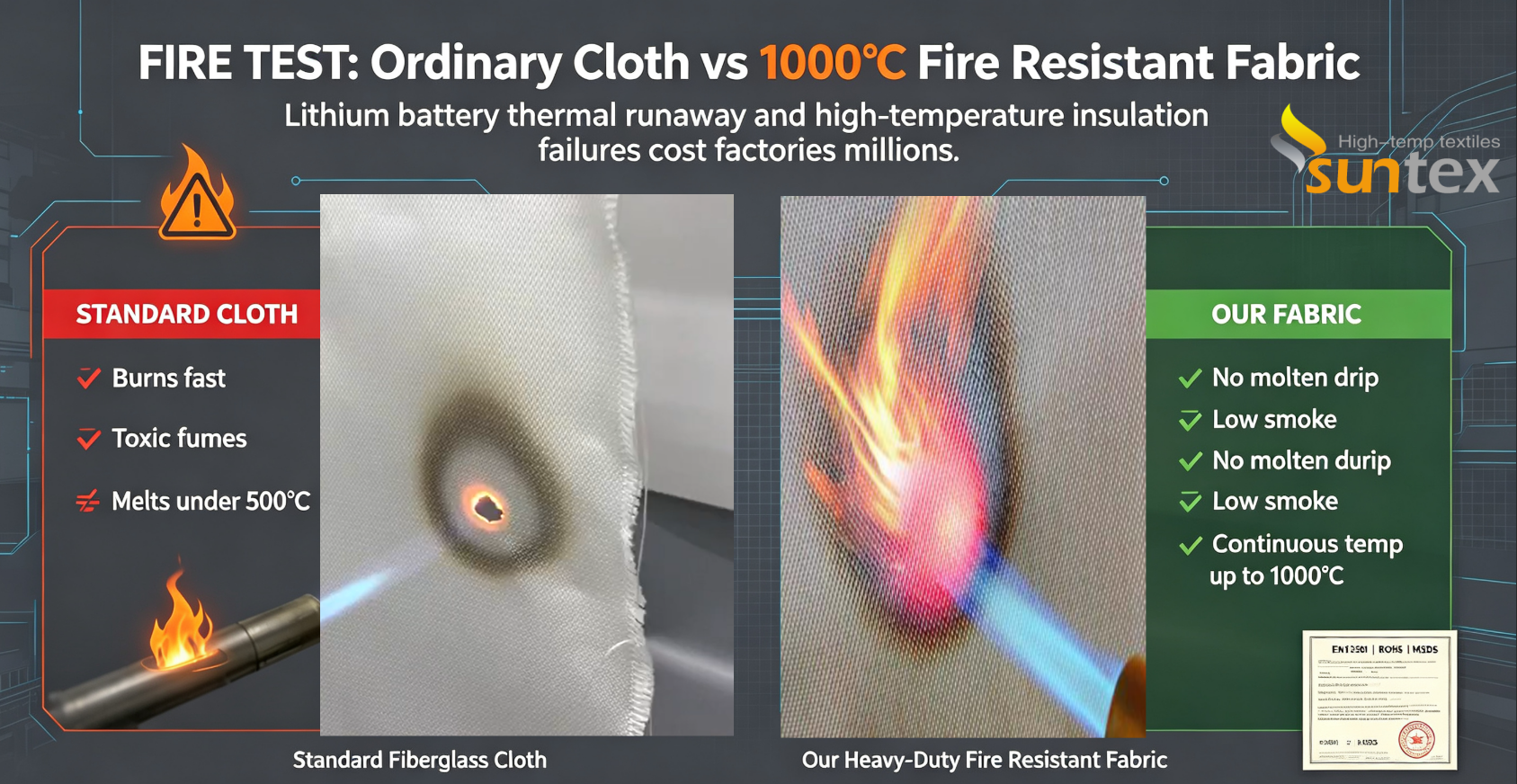
The Hidden Cost of Inferior Thermal Insulation Lithium battery thermal runaway and industrial high-temperature insulation failures frequently trigger factory fires, unplanned shutdowns and massive economic losses. Most of these accidents stem from low-performance standard insulation materials, rather than major equipment faults. Substandard fiberglass cloth fails under high heat, accelerating fire spread and causing costly industrial […]


 English
 Arabic
 Dutch
Dutch French
 German
 Italian
 Polish
 Portuguese
 Russian
 Spanish